Japan's Child Car Seat Law: What Taxis and Rental Cars Actually Require
Japan requires a car seat for kids under 6 in private and rental cars, but licensed taxis are exempt. Real law, real rental process, and what we actually ride in.

Published on 3 min read
On this page
Japan’s Road Traffic Act requires a child seat for kids under 6 riding in a private or rental car, Article 71-3, Paragraph 4, enforced by the National Police Agency. Licensed taxis are a specific, named exception to that rule.
Why taxis are exempt
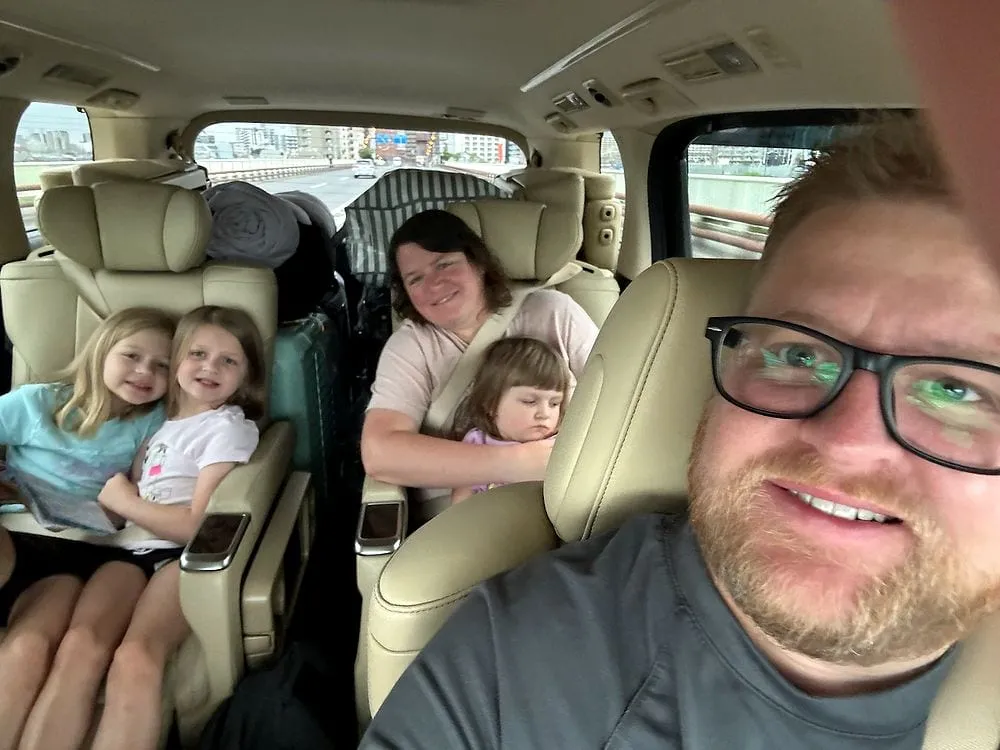
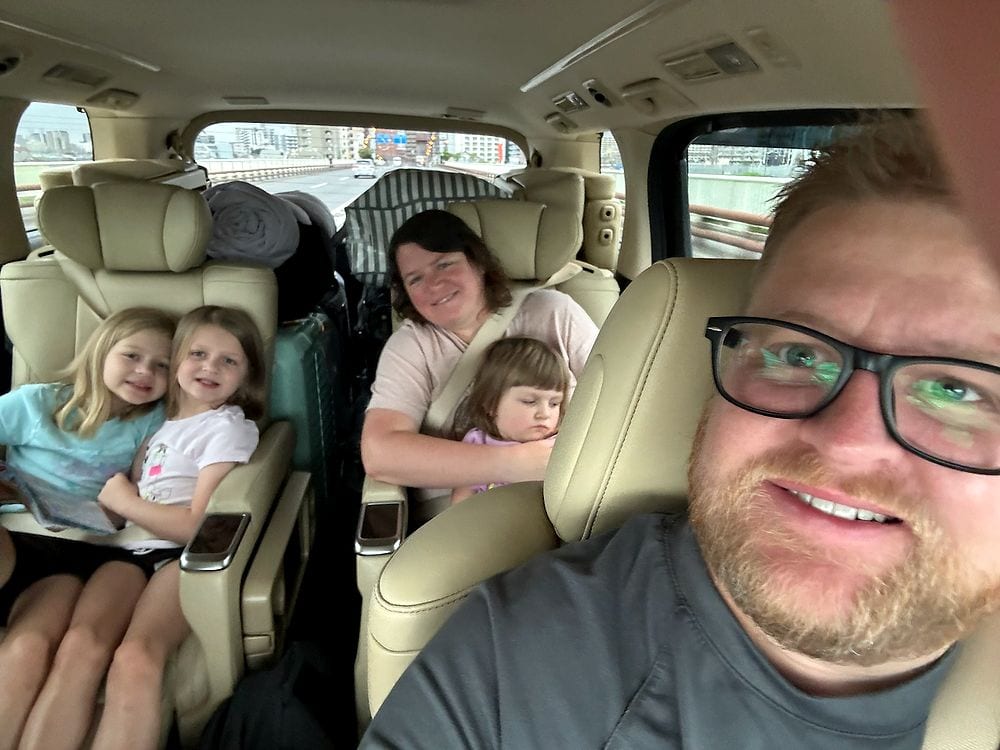
The reasoning cited for the taxi exemption is practical rather than a safety judgment: a taxi can’t realistically carry a correctly sized seat for every possible passenger’s age, and requiring one would make the whole system unworkable for an on-demand service. The same exemption covers buses. That’s the rule we’ve relied on riding taxis across Tokyo and Osaka with three kids under 10, no seats in the car, nothing to arrange ahead of time, completely legal.
Rental cars are a different story
Rent a car in Japan and the under-6 requirement applies the same as it would to a Japanese family’s own vehicle. Rental companies typically supply seats for an additional fee, but you need to request one in advance, ideally at least a week out, rather than expecting one to be available at the counter on pickup day. The person driving is responsible for installing it correctly, that part isn’t the rental company’s job once the seat is in your hands.
Toyota Rent a Car’s own official pricing, the most reliable figure we found since it comes straight from the company rather than a secondary listing, charges a one-time option fee of 1,650 yen for a child or infant seat and 1,100 yen for a booster. Other agencies’ rates vary by shop, call ahead rather than assuming every counter matches that number.
If you’re bringing your own
For a family road-tripping through Japan, bringing a compact travel car seat rather than relying entirely on a rental counter having the right size in stock is worth considering, especially with more than one kid in the age range. Wayb makes a folding travel car seat built for exactly this kind of trip, light enough to check or carry on rather than install once and leave behind.
What we do
We haven’t rented a car in Japan ourselves, taxis and trains have covered everything we’ve needed, which is most of why the taxi exemption matters more to us day to day than the rental car rule does. If a Hakone or countryside leg of a trip puts a rental car on the itinerary, the car seat becomes a real line item to plan around in advance, not something to sort out at the rental desk.
One more detail worth knowing
One source we found cites a 1-point driver’s license deduction as the penalty for violating the car seat law, no fine attached. We couldn’t independently confirm that figure against an official source, so treat it as a single, unverified data point rather than something to quote as fact. What’s solid across every source: the under-6 age threshold, the taxi exemption, and the rental company’s advance-request process.