Is Hiroshima's Peace Memorial Museum Worth the 200 Yen on Top of the Free Park?
Hiroshima Peace Memorial Park and the A-Bomb Dome are free, 24 hours a day. The Peace Memorial Museum charges 200 yen. Real admission tiers and what the fee adds.
Published on 5 min read
On this page
Peace Memorial Park, the Cenotaph, and the A-Bomb Dome itself cost nothing to walk through, open around the clock, no gate anywhere on the grounds. The Peace Memorial Museum, a short walk inside that same park, charges 200 yen for an adult ticket. That’s the entire monetary question here, 200 yen, and it’s worth answering honestly rather than assuming either the free half or the paid half tells the whole story on its own.
What costs nothing
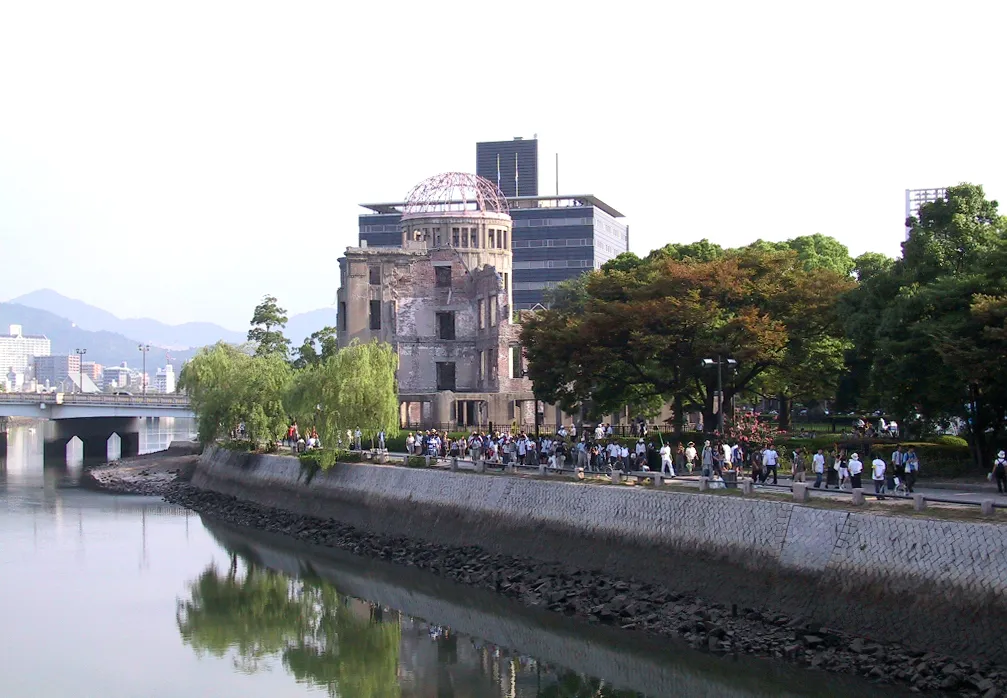
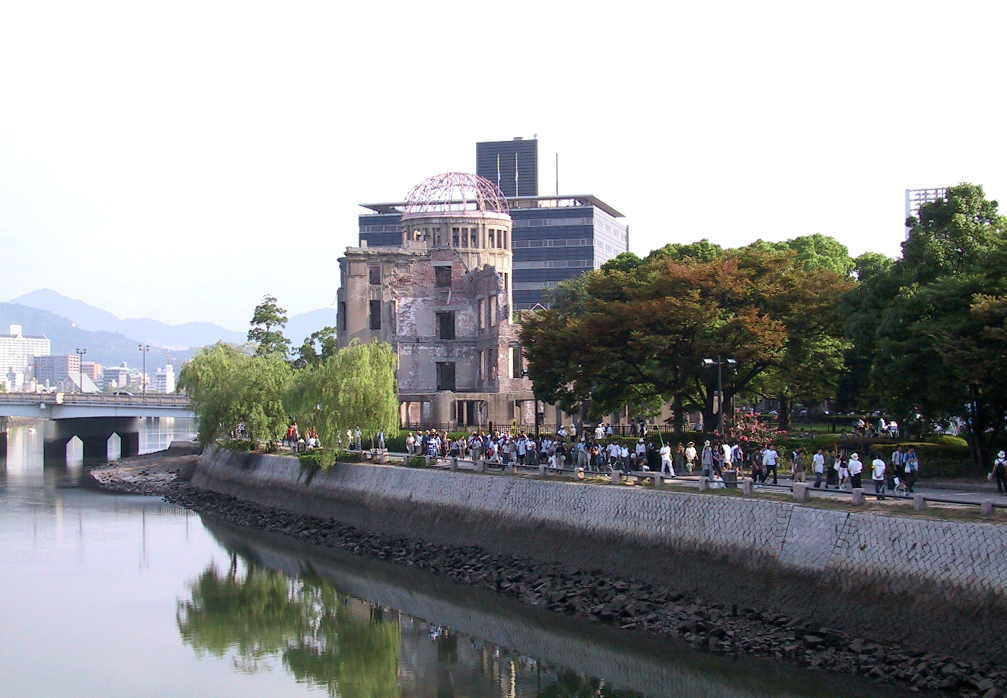
Peace Memorial Park itself, the Cenotaph, the river paths, and the A-Bomb Dome, the skeletal ruin of the former Hiroshima Prefectural Industrial Promotion Hall left standing since the 1945 bombing, are all free and open 24 hours a day, no admission, no reservation. The eternal Peace Flame, lit in 1964 and meant to burn until nuclear weapons are abolished worldwide, which we’ve also written about separately, sits in this same free zone. A visitor could spend a full, meaningful morning here without spending a yen.
What the museum charges
Inside that same park, the Peace Memorial Museum itself is ticketed: 200 yen for adults, 100 yen for high school students, free for junior high age and younger. An optional audio guide runs 400 yen on top, available to any visitor regardless of ticket type. During the busiest period of the year, the anniversary stretch around August 6 through the Obon holiday, the museum has trialed an online-reservation-only system with a premium 500 yen ticket that adds a shop voucher, on top of the standard 200 yen option, worth checking the museum’s own site if your visit lands in that specific window.
What the fee buys
The free park and the Dome’s exterior tell you that something happened here and give you space to reflect on it. The museum is where the real historical record lives, split across two connected sections. The East Building covers the lead-up to the bombing, the broader danger of nuclear weapons, and the city’s recovery and peace efforts, including a video corner where visitors can hear firsthand survivor accounts. The Main Building is the core of the visit: victims’ personal belongings and photographs documenting the bombing’s aftermath, many of the clothing items rotated annually so they aren’t kept on permanent display and degrade. That’s the real distinction worth knowing before you decide whether 200 yen is worth adding to a free morning: the park gives you a place to stand with the history, the museum gives you the history itself.
The building itself
Kenzo Tange, the architect who also designed the eternal Peace Flame, won the original design competition for the entire park and designed the museum’s Main Building, completed in 1955 and designated a nationally important cultural property in 2006. Its raised, pilotis-style structure, the building held up on columns above open ground-level space, was a deliberate choice meant to symbolize people rising up from the ashes, not just a modernist stylistic preference. The museum went through a major renovation starting in the early 2010s, with the East Building reopening in 2017 and the full project finishing a little after, the largest renovation the site had seen since it first opened. As recently as March 2026, the museum shop itself was redone and reopened with roughly double its previous floor space, a small but real sign this is a site still actively maintained and updated rather than frozen in place.
The Dome’s real, documented status
The A-Bomb Dome was inscribed on UNESCO’s World Heritage List in December 1996, nominated by Japan the previous year, listed specifically for having survived the bombing and for its role as what the nomination called a universal monument to the hope for lasting peace. The decision wasn’t unanimous at the time: delegates from China raised concern that the listing might obscure Japan’s own wartime actions and the suffering of other nations under Japanese occupation, and the United States formally dissociated itself from the decision, arguing the memorial lacked full historical context. That disagreement is itself a real, documented part of the site’s history, worth knowing rather than treating the UNESCO listing as a simple, uncontested fact.
Getting there and hours
The park and museum sit a short walk from the Genbaku Dome-mae tram stop, reachable from Hiroshima Station by streetcar, the same kind of city tram network that runs through much of central Hiroshima. Museum hours shift by season: roughly 8:30 a.m. to 6 p.m. from March through July and September through November, extended later into the evening through August, with sources disagreeing on the exact August closing time, so check the museum’s own site for the current schedule around that specific anniversary period rather than assuming a fixed year-round closing time.
What we did
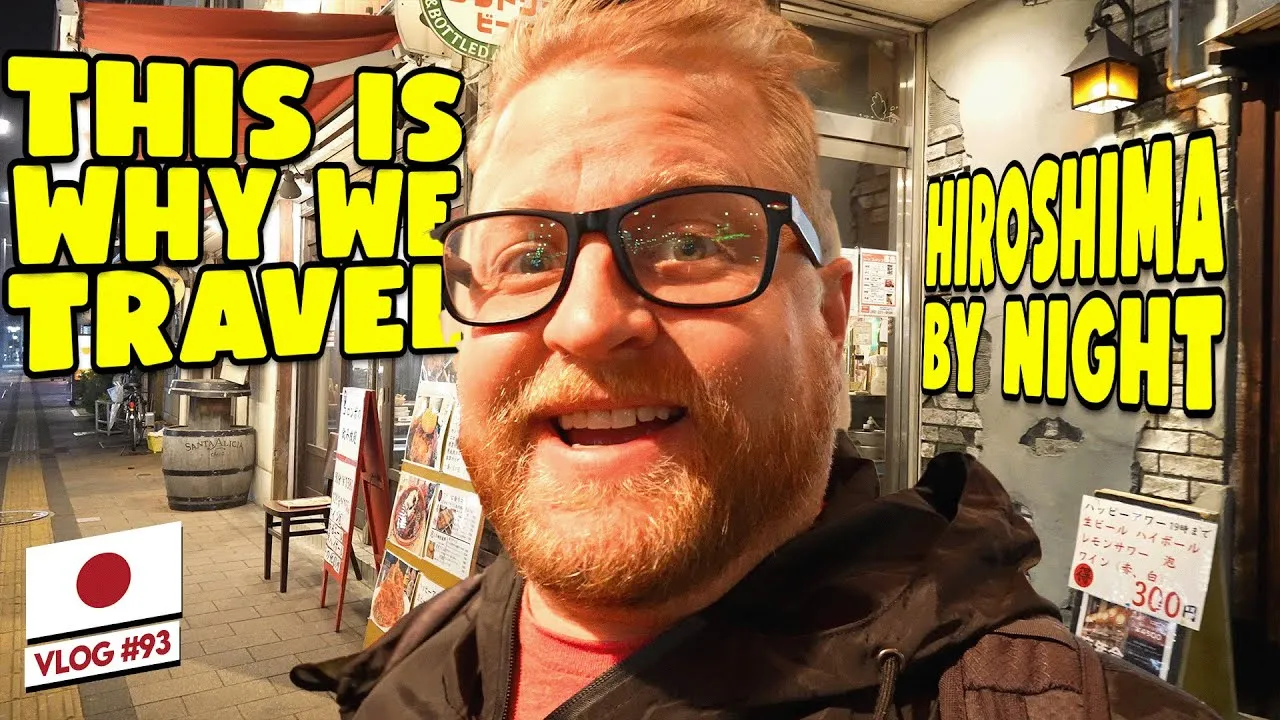
We went November 26, 2022, during a week-long stay in Hiroshima, walking through the park and visiting the memorials commemorating what happened there. We made the footage from that day its own standalone piece rather than folding it into our usual travel vlog format, a deliberate choice given the subject matter. The rest of that same day, crane games, Christmas shopping, and dinner at a yakitori izakaya, went into a separate video entirely, we didn’t want the two halves of the day sitting side by side in the same ten-minute clip.
Was the 200 yen worth it
Yes, and the honest reasoning is simple: 200 yen is a small enough number that the real decision isn’t about money at all, it’s about whether you want the fuller historical record the museum provides on top of the free park’s space for reflection. For a family already standing in Peace Memorial Park, the fee is low enough that skipping the museum to save 200 yen per person isn’t really saving anything meaningful, while going in gets you context the outdoor memorials don’t carry on their own. We’d go back, and specifically recommend not treating the free park as the whole visit if the museum is open when you’re there.