Aparthotel or Hotel Room in Tokyo: Which One Works for a Family of Five
An aparthotel we've stayed at more than once in Asakusa, compared head to head against a standard Tokyo hotel room, for a family that doesn't fit in one king bed.
Published on 6 min read
On this page
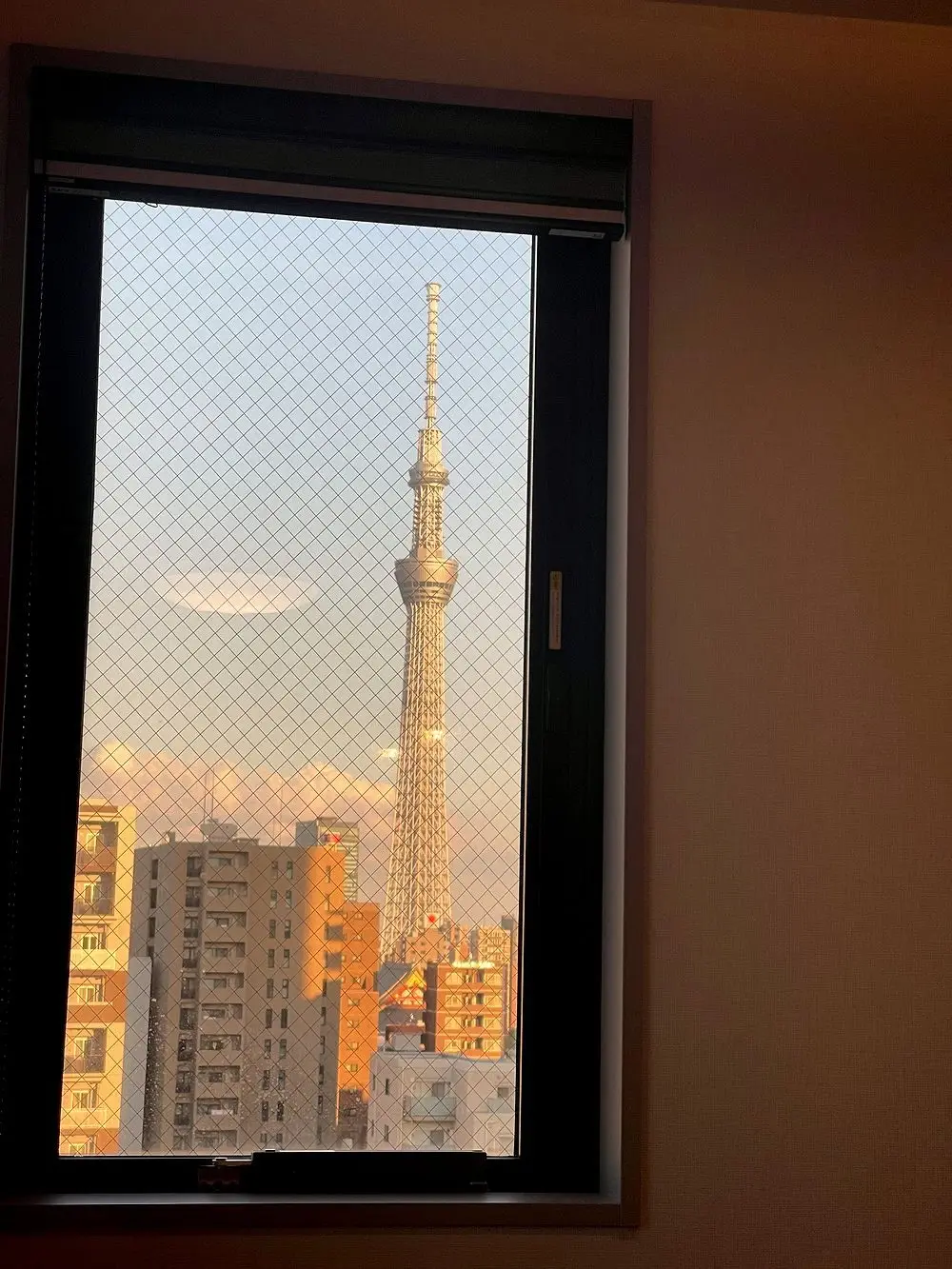
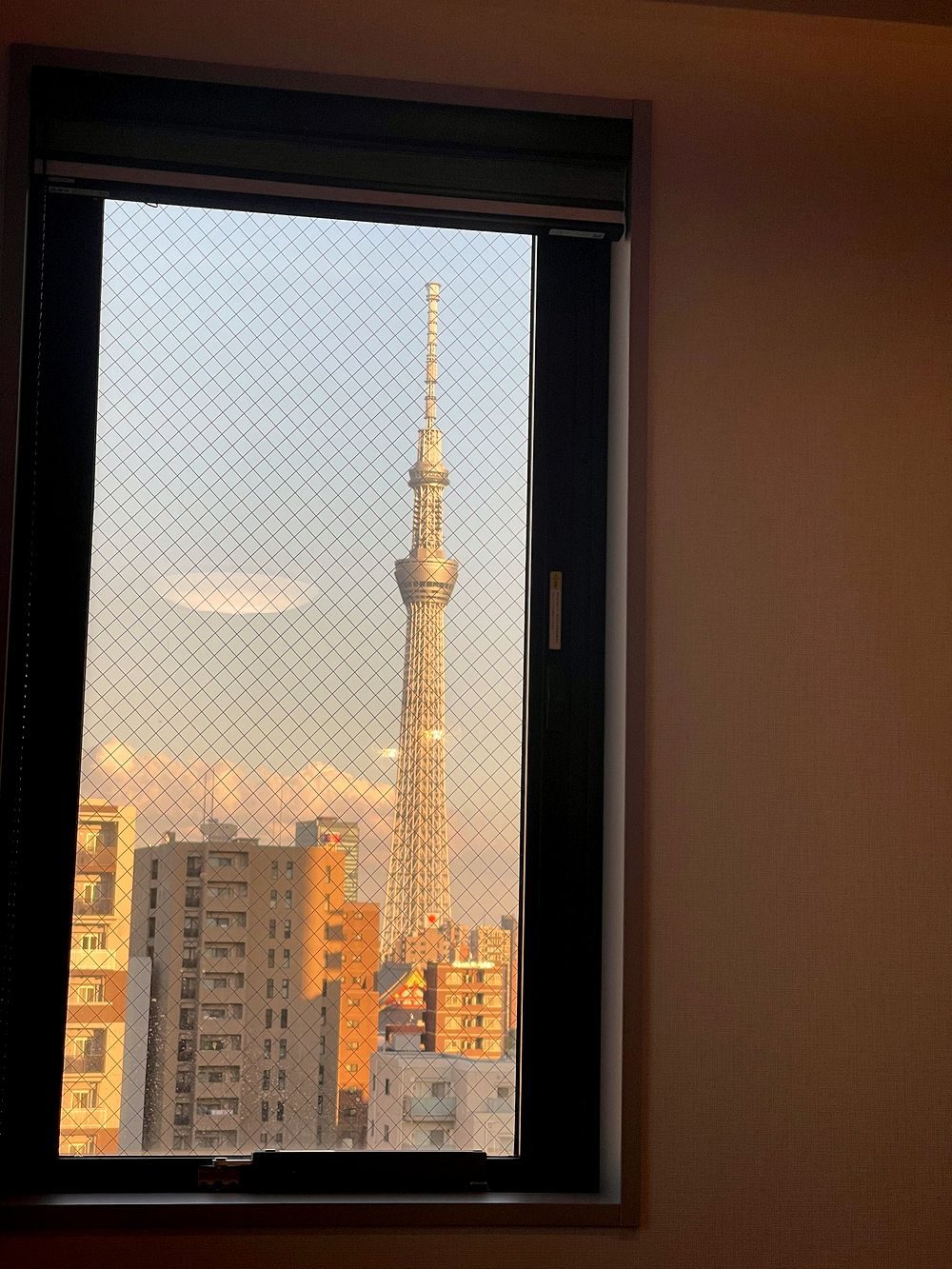
Five people don’t fit in one hotel room built for two, and that’s the real problem this post is about, not a generic “where to stay in Tokyo” roundup. We’ve stayed at Minn Kappabashi, an aparthotel in Nishi-Asakusa, more than once, and our notes on one of the room’s window shots call it “the room view that keeps bringing us back to this hotel.” Here’s what it offers against a standard hotel room, and why the math works out differently once you stop counting beds and start counting people.
The aparthotel: Minn Kappabashi
Minn Kappabashi (also listed as Minn Asakusa Kappabashi) sits in Nishi-Asakusa, about a 5 minute walk from Asakusa Station on the Tsukuba Express and roughly 15 minutes on foot from Sensoji Temple. It’s a 24 unit aparthotel, 4.5 stars on Expedia with a 9.0 review score, and the unit we’ve booked is the Deluxe Apartment: 65 square meters, two bedrooms, a real kitchen, and an in unit washer and dryer. That last detail matters more on a long trip than almost anything else on this list, laundry that doesn’t require finding a coin laundromat is a genuine quality of life upgrade for a family living out of suitcases.
The Deluxe Apartment is rated to sleep up to six, four single beds plus two single sofa beds, which covers our family of five with room to spare in one booking rather than splitting across two reservations. Current price snapshots run anywhere from about $113 to $123 a night on Expedia and Hotels.com, with one site showing a weekend average closer to $165 to $210, enough spread that it’s worth checking your actual dates rather than trusting one number. A city tax of roughly 100 to 10,000 yen per person per night applies on top, scaled to the room rate, standard practice across Tokyo accommodations.
What other guests say, beyond our visits
Our repeat bookings are one data point, independent reviews are another worth checking. Kayak shows an 8.5 “Very good” score from 215 verified ratings, and Hotels.com reviewers in the 8 to 10 out of 10 range consistently mention responsive staff and a quiet, safe neighborhood, matching our experience of the area. The property runs a 24-hour front desk with multilingual staff, a real convenience for a family arriving on a late flight or needing help after regular hours, something a smaller apartment-only rental often can’t offer.
The standard hotel room alternative
For comparison, Kimpton Shinjuku, our other real Stay Spotlight pick, runs current price snapshots of roughly $336 to $509 a night for rooms sized 258 to 753 square feet, call that 24 to 70 square meters. The catch: those room sizes cover everything from a standard King up to a suite, and a standard King or Twin room at that end of the range isn’t built to sleep five people regardless of the hotel’s overall square footage. A family our size booking a standard hotel room setup realistically needs two rooms, not one, which doubles the nightly rate before any of the extras (room service, a minibar, paid breakfast) even enter the math.
The real cost comparison
| Minn Kappabashi (1 apartment) | Standard hotel (2 rooms) | |
|---|---|---|
| Nightly rate | ~$113-123 (up to ~$165-210 weekends) | ~$336-509 each, so ~$672-1,018 total |
| Sleeps | Up to 6 in one booking | 2-4 per room, split across two |
| Kitchen | Yes | No |
| In-unit laundry | Yes | No |
That gap isn’t close. A single Minn Kappabashi booking runs well under even one night at a boutique hotel’s standard room, let alone two. The tradeoff is real too, an aparthotel doesn’t come with Kimpton’s rooftop bar, 24-hour room service, or Michelin-guide-described interior design, it’s a practical, well-located apartment, not a themed stay. Which one’s “worth it” depends entirely on what a family needs from a Tokyo base: a design experience, or a real kitchen and enough beds for everyone under one roof.
Minn Kappabashi, Asakusa
These are affiliate links. We may earn a commission if you book through them, at no extra cost to you. See how affiliate links work here.
Practical details before you book
Check-in starts at 3:00pm, check-out is 10:00am, standard for the category, and listings note the property doesn’t accept cash, credit card only, worth knowing before you arrive expecting to pay or tip in yen. No onsite parking and pets aren’t allowed, neither a surprise for central Tokyo but both worth ruling out in advance if either applies to your trip. None of these are dealbreakers, just the kind of real logistics detail that’s easy to assume rather than confirm.
What repeat stays taught us
We didn’t just pass through once, the photos from this one extended Tokyo stay prove it: a golden hour Skytree shot from the window in late October 2023, a Halloween morning getting three kids into costume in the same apartment a week later, and a full Thanksgiving dinner cooked in that kitchen weeks after that, rotisserie chicken and homemade sides spread across the table with visiting grandparents. Our notes on one of the window photos call it “the room view that keeps bringing us back to this hotel,” language that points at real history with the property beyond this one booking. A real multi-week stay that holds up across a holiday season’s worth of real moments, costume mornings, a full Thanksgiving spread, repeat window shots, is a stronger signal than any single glowing stay write-up could be.
The kitchen specifically earned its keep beyond convenience. Cooking Thanksgiving dinner required real counter space, a working stove, and enough room for five people plus guests to eat together, none of which a standard hotel room offers at any price tier. The in-unit washer and dryer solved the laundry problem a multi-week trip always eventually creates, no separate stop at a coin laundromat, no planning a day around finding one.
Getting around from here
Nishi-Asakusa puts you close to real, already-covered territory on this site: Tiger Gyoza Hall and Torikizoku yakitori are both real nearby spots from our repeat visits to this neighborhood, and Sensoji Temple is a genuine walkable distance rather than a train ride away. Kappabashi itself, Tokyo’s wholesale kitchen supply district, sits close enough for an easy afternoon browsing the fake-food shops the area is known for.
Who should pick which
A couple or a solo traveler prioritizing a design-forward stay with hotel amenities, room service, a bar downstairs, gets real value from a boutique hotel like Kimpton that a basic apartment can’t match. A family of four or more, or anyone staying more than a few nights and tired of restaurant food or hand-washing clothes in a sink, gets more real, usable space and function per dollar from an aparthotel like Minn Kappabashi. We’ve done both kinds of stays across our time in Japan, and the honest answer isn’t “always pick the cheaper one,” it’s that the apartment format solves problems a hotel room structurally can’t once a family passes a certain size, no matter how nice that hotel room is.
Was it worth booking again
Yes, and the real evidence is a month’s worth of our ordinary life happening inside it rather than one glowing weekend review. The view, the kitchen, the laundry, and fitting five people into one booking instead of two add up to more than any individual amenity, and that’s the real case for an aparthotel over a standard room once a family’s size stops matching what a typical hotel room was built around.