Gyoza Isn't an Old Japanese Tradition, It's Barely 80 Years Old
Tiger Gyoza Hall in Asakusa serves an oversized Banana Gyoza that isn't banana flavored. Real history on how recent gyoza is in Japan, and what a meal costs.

Published on 5 min read
On this page
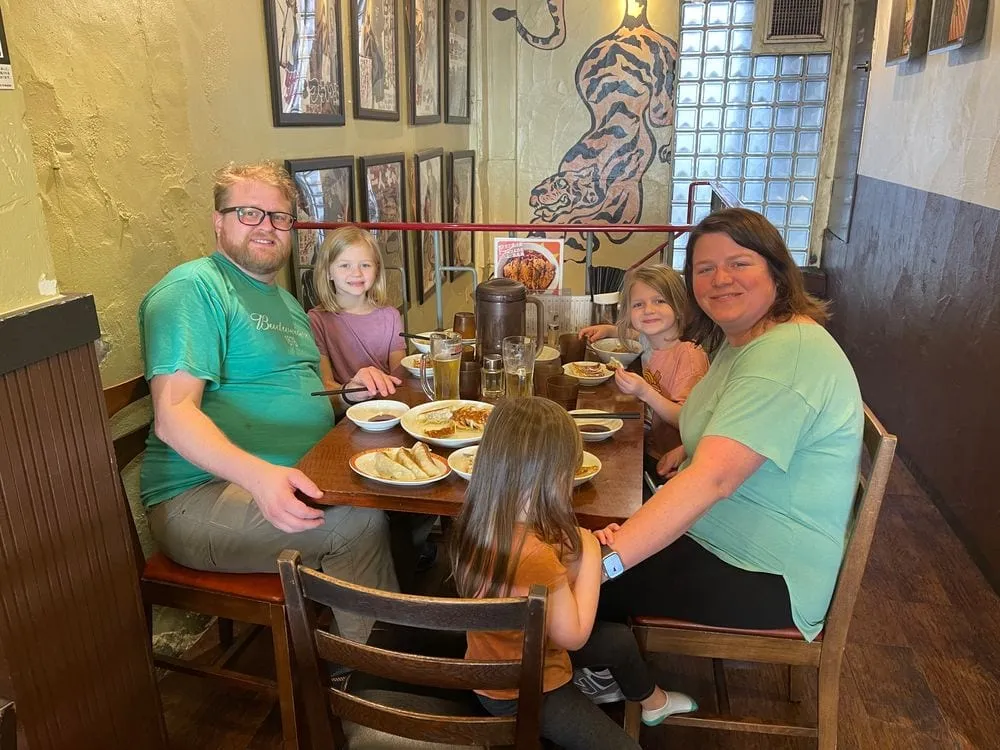
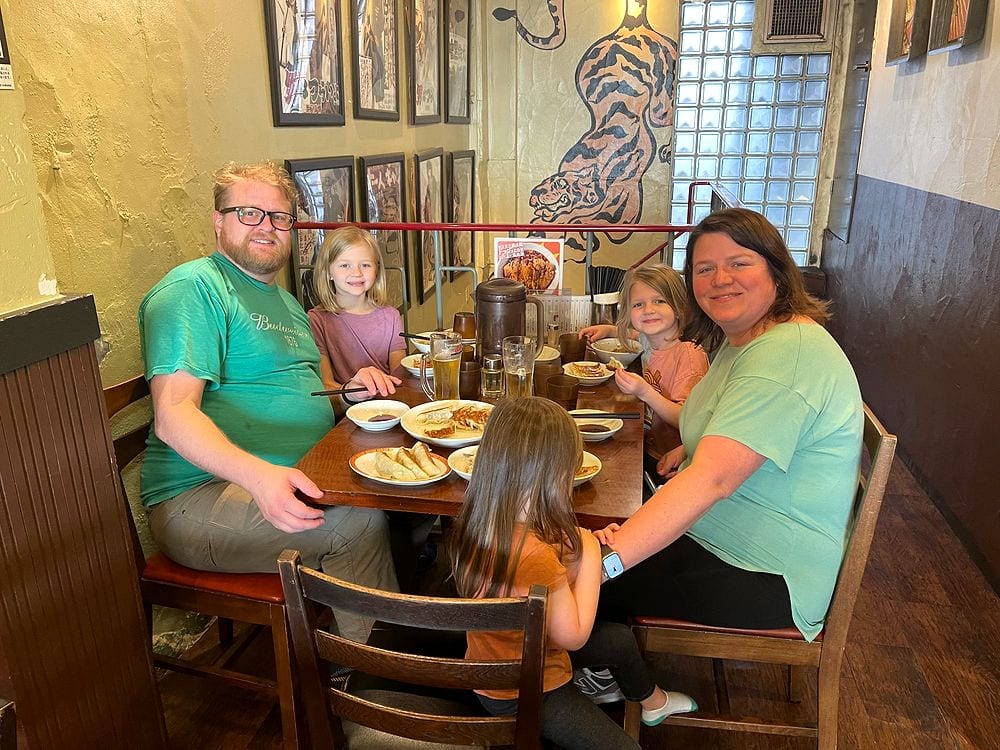
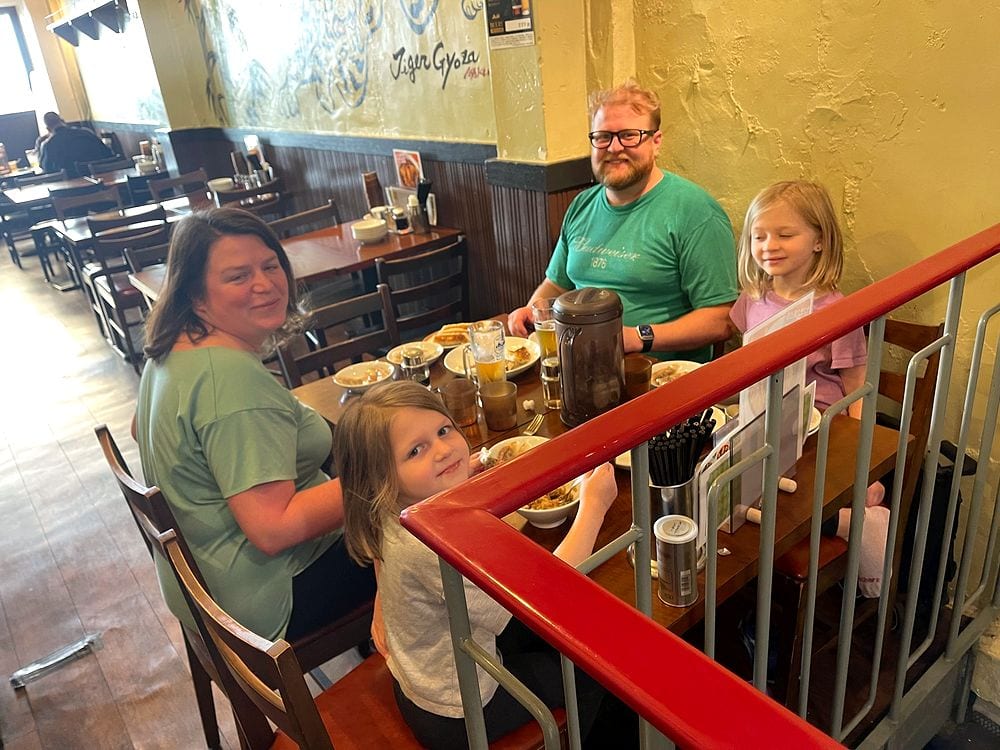
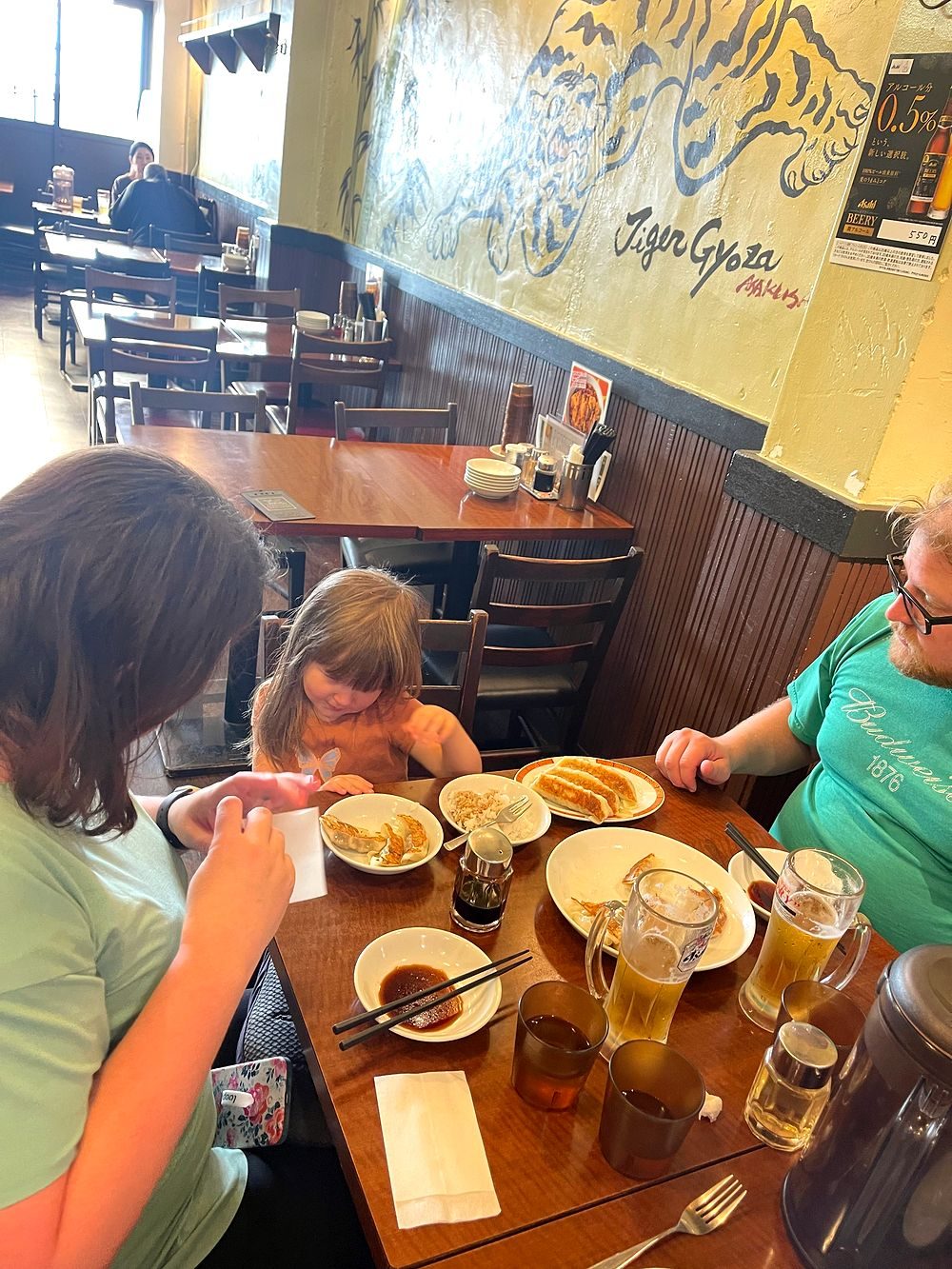
Gyoza feels like it’s always belonged in Japan, the kind of dish that shows up on every izakaya menu and every convenience store freezer shelf with the same unquestioned permanence as rice or miso soup. Sitting at the counter of Tiger Gyoza Hall in Asakusa, a tiger mural painted across the wall behind framed photos going back decades, it’s easy to assume you’re eating something ancient. You’re not. Gyoza as a Japanese staple is barely 80 years old.
Where gyoza really comes from
Gyoza descends directly from jiaozi, the Chinese dumpling that’s been part of Chinese cuisine for centuries, and it didn’t become a genuine Japanese staple until after World War II. Japanese repatriates returning from Manchuria and northeast China, where jiaozi was an everyday food, brought the dish back with them in the late 1940s, and the pan-fried version in particular caught on fast: cheaper and quicker to cook than the traditional Chinese boiled style, exactly what a food-scarce, rebuilding postwar Japan needed. For a lot of those returnees, cooking and selling gyoza wasn’t just economical, it was a direct link back to a life and a region they’d lost, and the dish spread nationally from that specific postwar moment rather than drifting in gradually over centuries the way most people assume.
The city that turned gyoza into a brand
Utsunomiya, a city north of Tokyo in Tochigi, carries the loudest version of that same postwar story. A popular local legend credits the city’s own gyoza obsession to the Imperial Japanese Army’s 14th Division, which was stationed in Utsunomiya before the war and served in Manchuria, with returning soldiers said to have opened some of the city’s first gyoza stalls after 1945. No direct historical evidence confirms that specific chain of events, worth saying plainly rather than repeating the legend as settled fact, but the city leaned into the story hard enough that it didn’t turn gyoza into an official civic brand until 1990, decades after the dish arrived, as a deliberate move to market itself around food tourism. Utsunomiya is now commonly cited as the highest gyoza-consuming city in the country, a title built as much on marketing as on any older, deeper culinary claim, another small reminder that most of what feels like ancient food tradition in Japan is closer to living memory than it looks.
The Banana Gyoza myth, corrected in the same breath
Tiger Gyoza Hall’s own signature dish invites a second, smaller version of the same mistake. The menu’s famous Banana Gyoza isn’t flavored with banana at all, the name describes the shape, an extra-large, elongated dumpling with a thick, chewy, lightly charred casing wrapped around a generous pork filling, shaped enough like the fruit to earn the name and nothing more. The restaurant also serves suigyoza, boiled dumplings with a pork-and-greens filling in a green-tinted handmade wrapper, a different texture and cooking method from the fried version most visitors expect by default.
What a meal costs
Budget around 1,000 yen a person for a real meal here, dumplings served a la carte or as a set with rice, soup, and pickles. It’s open 11:30am to 10:30pm daily, and the Asakusa location sits about a 3 minute walk from Tawaramachi Station on the Ginza Line or Asakusa Station on the Tsukuba Express, an easy stop to fold into a day already built around Senso-ji or the rest of Asakusa’s temple district.
How fast an 80 year old dish went everywhere
What’s remarkable isn’t just how recent gyoza is, it’s how completely it took over in that short a window. A dish that didn’t exist as a Japanese staple before the late 1940s is now standard enough that frozen gyoza sits in nearly every supermarket freezer case and convenience store cooler in the country, a default weeknight dinner item the way frozen pizza works in the US, no restaurant trip required at all. Sitting at a counter like Tiger Gyoza Hall’s, ordering a dish by name off a dedicated gyoza-only menu, is the less common way most people in Japan eat it day to day, most gyoza in Japan gets pan-fried at home from a bag rather than served at a specialty counter with a tiger mural on the wall.
A different gyoza stop than the ones we’ve already covered
We’ve written up two other gyoza finds on this site, both in Osaka: a branded coaster that led us to Nikujiru Gyoza no Dandadan in Chausuyama, and a separate budget-tier post built around that same restaurant’s menu. Tiger Gyoza Hall is a different city, a different restaurant, and a different kind of gyoza entirely, a historic, named Tokyo institution with its own real backstory rather than a chain we identified from a single branded item. Worth knowing if a trip covers both cities and gyoza is already on the list more than once, these aren’t the same stop with a different name.
Was it worth it
Yes, and the history made it a better stop than the dumplings alone would have, not that the dumplings needed the help. A 1,000 yen meal that comes with a real, specific piece of postwar Japanese history attached, rather than the vague “this has probably been here forever” assumption most food tourism runs on, is the kind of value that doesn’t show up on a receipt. If Senso-ji or the rest of Asakusa is already on the list, Tiger Gyoza Hall is worth the short walk over, if only to sit under that tiger mural and know exactly how recent the dish in front of you really is. None of the girls cared about any of this at the table, they just wanted more dumplings, which is honestly the more accurate way to measure whether a meal was worth the detour than any history lesson we could layer on top of it afterward.