Golden Gai: 500 to 1,000 Yen Just to Sit Down
A real night in Shinjuku's tiny bar alleys, Golden Gai, and the seat charge that catches first-timers off guard before a single drink arrives.

Published on 5 min read
On this page
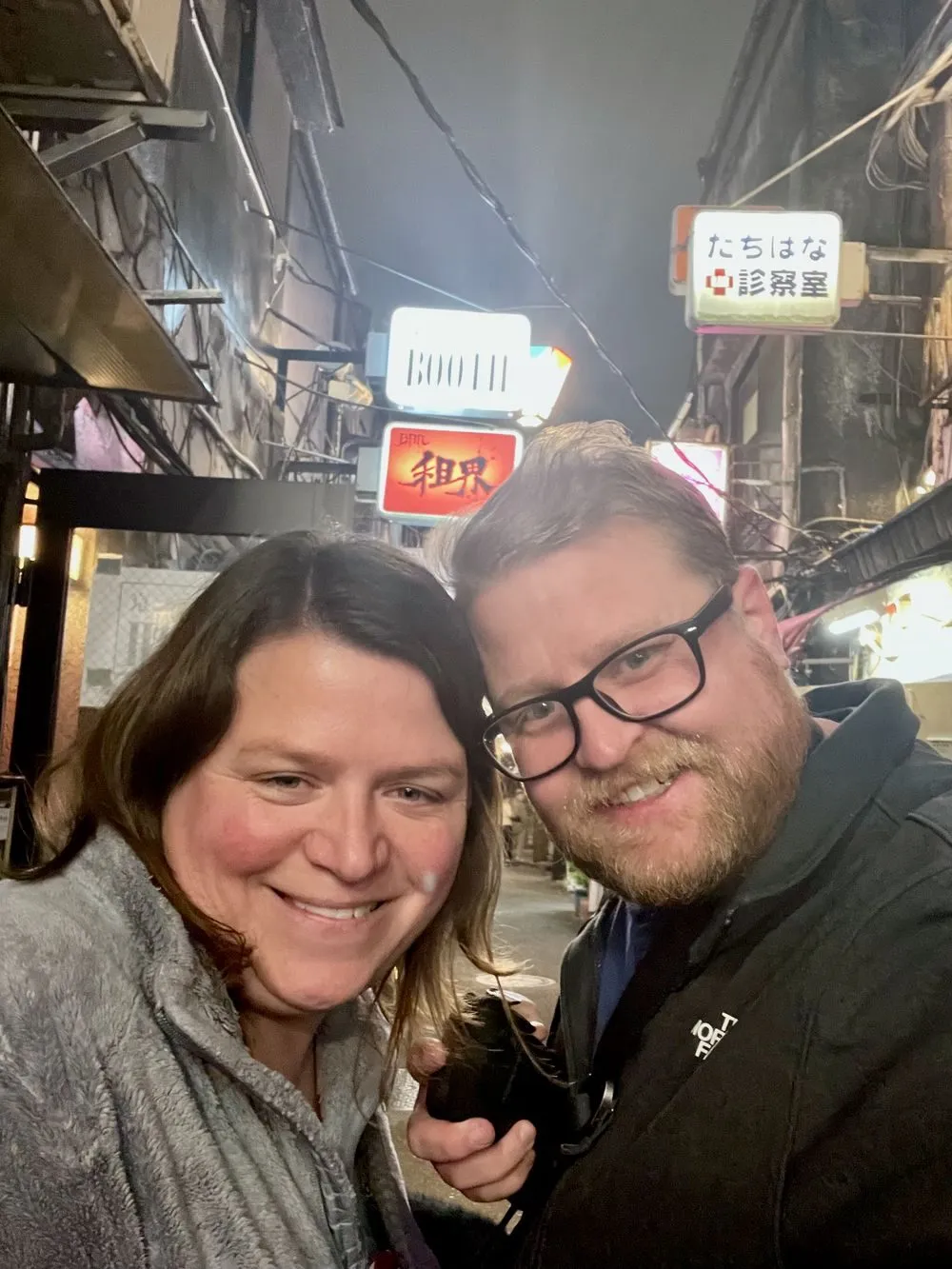
Most Golden Gai bars charge 500 to 1,000 yen just to sit down, before a single drink or plate of food gets ordered. November 26, 2023, a narrow alley in Shinjuku, we found that out firsthand working our way between a couple of its tiny bars.
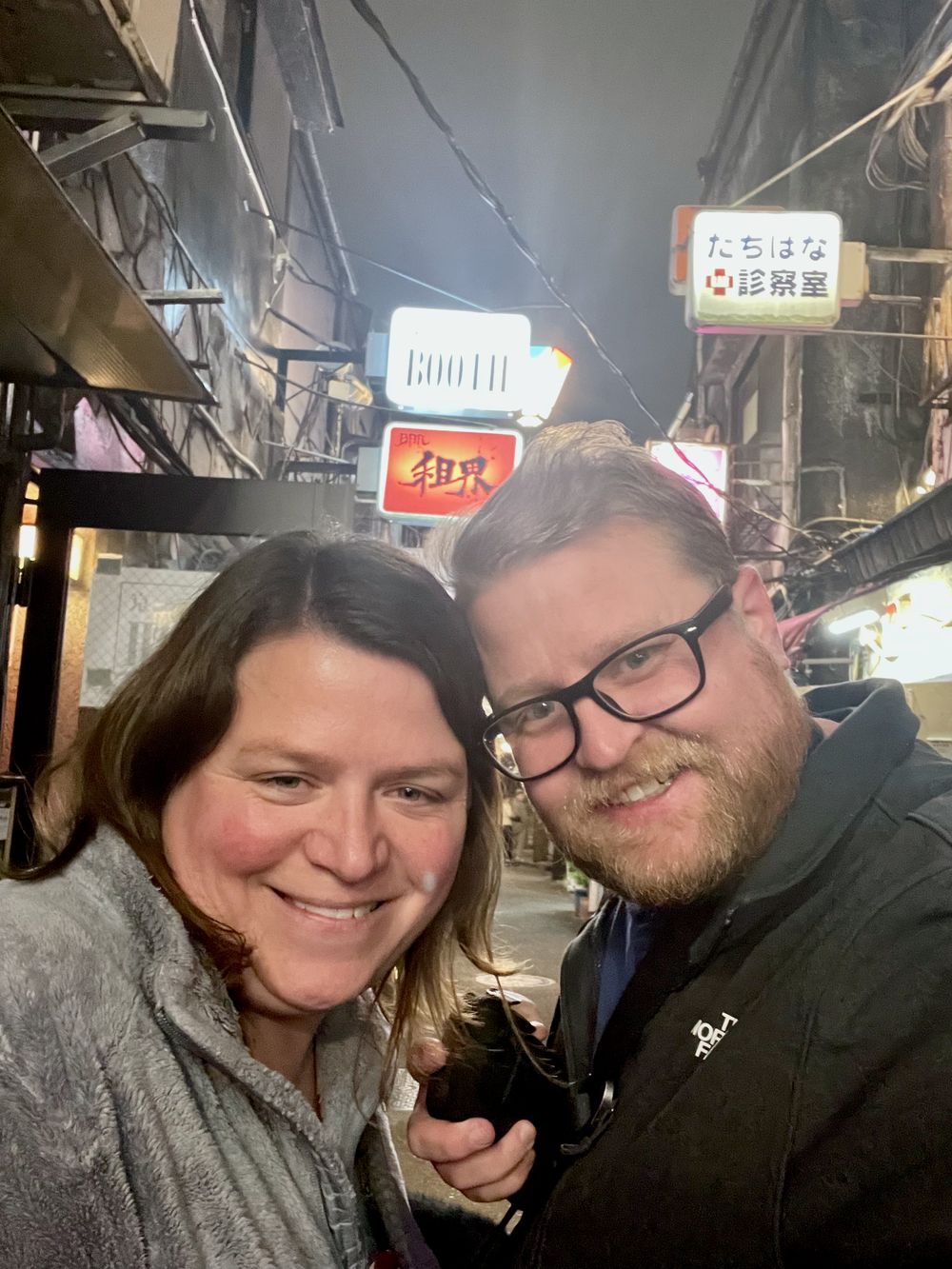
What the seat charge covers
That 500 to 1,000 yen fee, often called a seating or table charge, is standard across most of Golden Gai’s bars and gets charged per person before drinks arrive, sometimes covering a small snack or otoshi, sometimes covering nothing beyond the seat itself. Pricier bars can run the charge up to 4,000 yen. On top of that, a typical drink runs 800 to 1,200 yen, so a round for two at an average bar lands somewhere between 2,600 and 4,400 yen once the seat charge is factored in, before considering how many rounds or how many bars a night covers. None of this is posted clearly from outside, most bars don’t have an English menu in the window, worth asking or checking before sitting down if the budget matters.
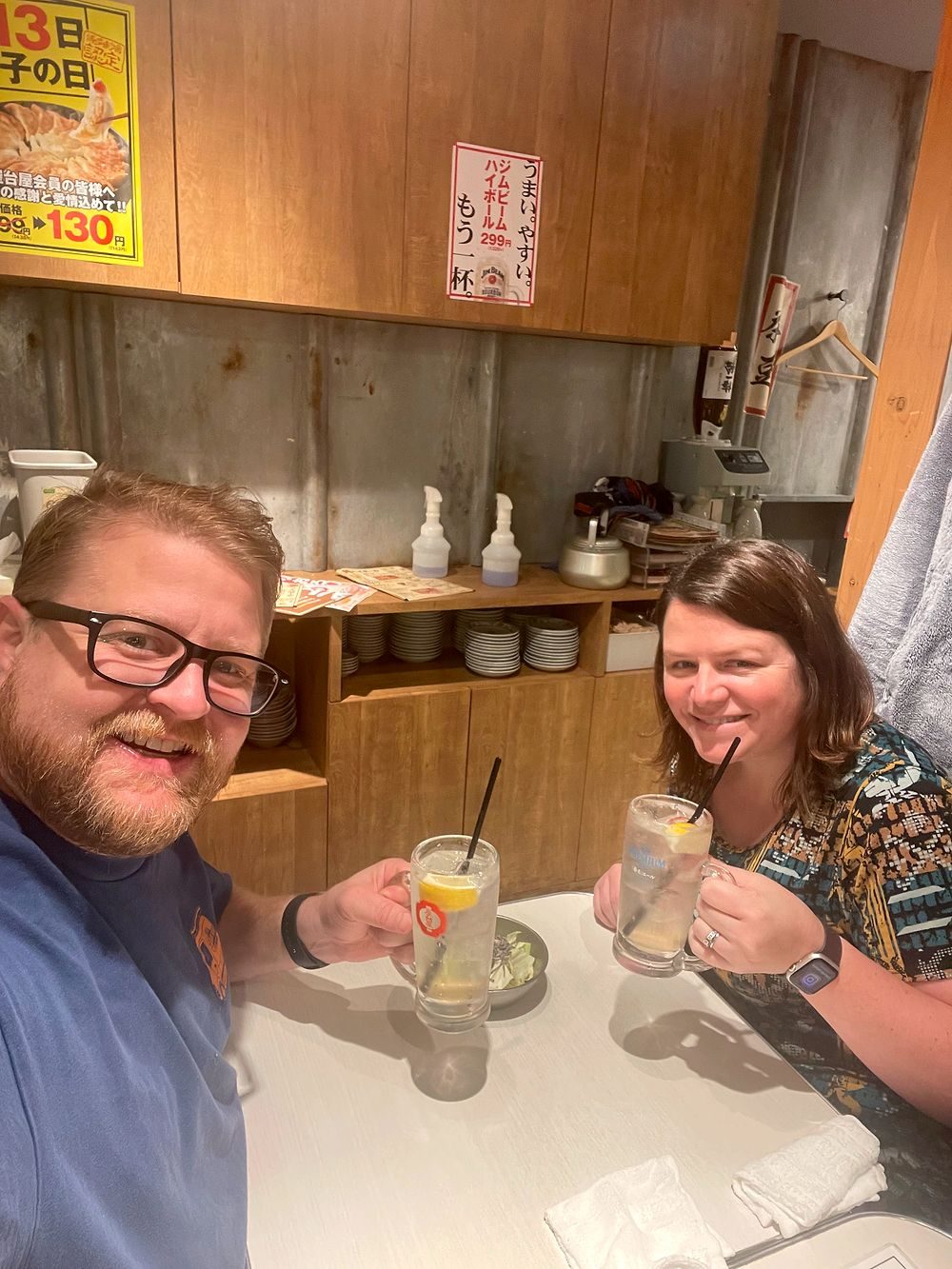
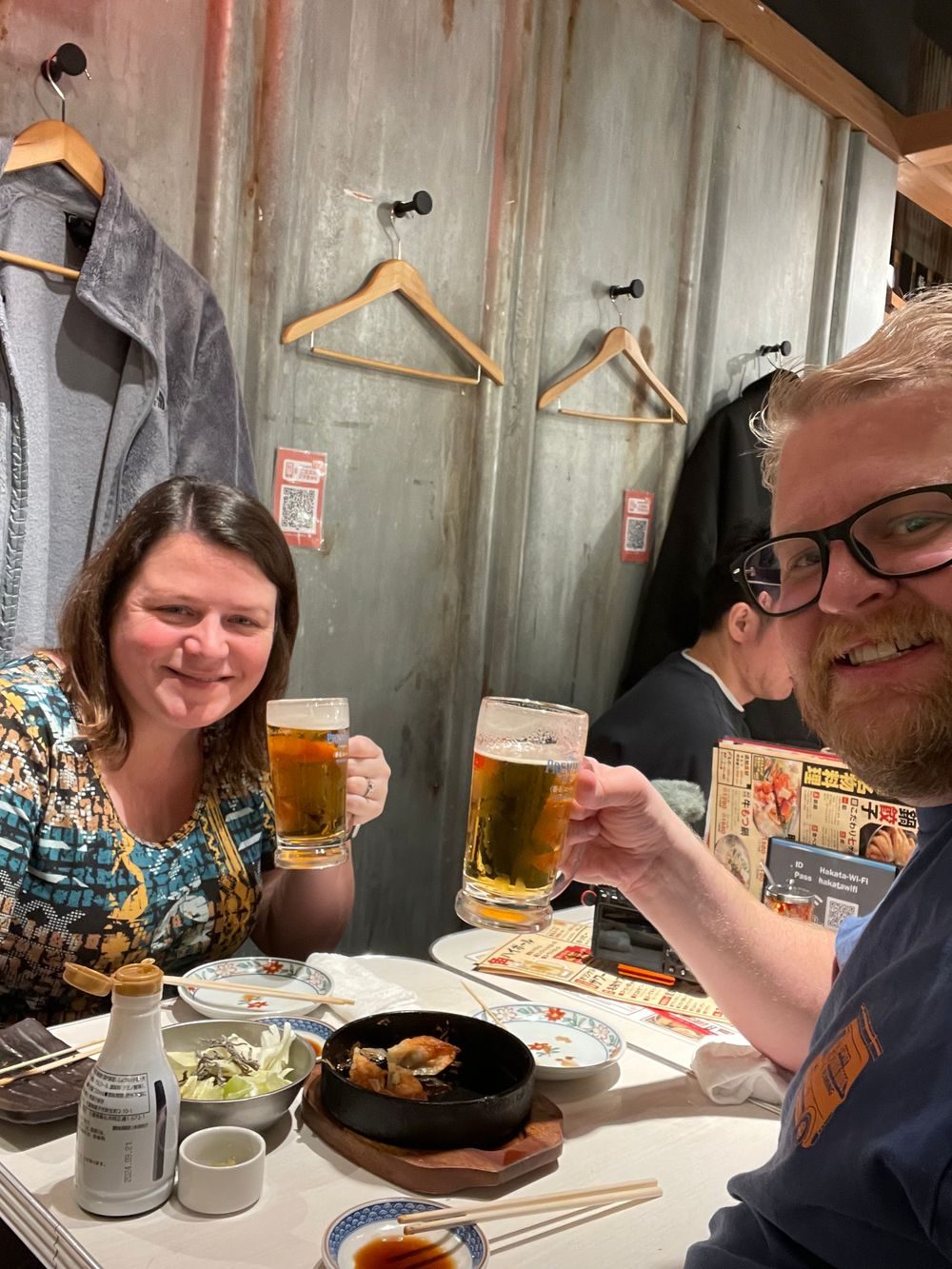
Not every bar on the menu
Golden Gai’s bars are tiny, most run 10 to 15 square meters, seating a handful of people at most. That size is part of why many function more like a regular’s living room than a public bar, some don’t welcome walk-in strangers at all, especially non-Japanese speakers. The practical workaround: look for English signage or a visible “Foreigners Welcome” sign in the window, a real, common marker in the district rather than something a visitor has to guess at.
Getting there
We’ve already written about Shinjuku Station’s own scale, over 200 exits across 12 train lines, and the detail that matters most for Golden Gai specifically: the Central East Exit puts you directly into Kabukicho and Golden Gai’s own alleys, a different exit entirely from the South Exit that leads toward Nishi-Shinjuku on the opposite side of the station. Same station, same ticket, two completely different nights depending on which exit gets used.
A black market before it was a bar district
Golden Gai wasn’t originally built for drinking. The area traces to 1945, when a black market operating near Shinjuku Station’s east exit was relocated north to this spot by Occupation forces in the years right after Japan’s surrender. Authorities shut that market down around 1949, and rather than leaving, the traders who’d worked it built small wooden structures on the same vacant lots, structures that largely still stand today. The shift toward bars specifically came after a 1958 law banned prostitution nationwide, and the small izakaya-style pubs that make up Golden Gai now began opening in real numbers through the decades that followed. By the 1960s and 70s the district had become a known hangout for Tokyo’s writers, directors, and other creative figures, and it survived real buyout pressure from developers during the 1980s bubble economy, when plenty of similar small districts elsewhere in Tokyo didn’t.
How many bars are packed in
Estimates run close to 280 individual bars across Golden Gai’s six narrow alleys, Tokyo’s own metropolitan government cites a figure near 300, each one its own tiny, independently run business rather than a chain or a single company’s property. That density, hundreds of separate bars inside a few connected alleyways barely wide enough for two people to pass, is most of what makes the district feel the way it does, a different scale entirely from a normal bar street anywhere else in the city. The six main east-west lanes carry their own real names, Hanazono Hachibangai, Gobangai, Sanbangai, Ichibangai, G2-dori, and G1-dori running north to south, crossed by a seventh, north-south lane called Maneki-dori. Two separate neighborhood business associations split management of the district between its northern and southern halves, a real administrative detail behind what looks, from inside one of the alleys, like a single continuous maze.
A guided option if navigating alone feels daunting
Shinjuku Kabukicho Nightlife Bar Hopping Tour
These are affiliate links. We may earn a commission if you book through them, at no extra cost to you. See our legal notice.
Klook code: ADAMANDLINDSKLOOK
Click through to Klook below, then enter code ADAMANDLINDSKLOOK at checkout. This is a real affiliate code, we may earn a commission on the booking too, at no extra cost to you. See our legal notice.
10% off, New Klook user
$50 minimum spend, capped at $50 off, one time use. Valid through December 31, 2026.
3% off, Existing Klook user
$50 minimum spend, capped at $50 off, up to three uses. Valid through December 31, 2026.
1% off, Selected things to do and mobility, including teamLab Planets TOKYO, teamLab Borderless, teamLab Biovortex Kyoto, Japan Shinkansen tickets, SHIBUYA SKY, Warner Bros. Studio Tour Tokyo, and Osaka Amazing Pass
No stated minimum spend for this tier. Valid through December 31, 2026.
50% off, eSIM, new eSIM customers only
No minimum spend, capped at $1.50 saved, one time use. Valid through December 31, 2026.
A real, bookable English-guided walking tour covers the Kabukicho/Shinjuku nightlife area, visiting three different izakaya-style bars over roughly three hours with a local guide, a useful option for a first Golden Gai-area night without wondering which bars welcome walk-ins.
Cash still rules here
Most Golden Gai bars still prefer or require cash, cards are accepted in some but not most, worth knowing before arriving with nothing but a tap-to-pay card and assuming that’ll cover a night of bar hopping. Between the seat charges, the small size of each bar, and the cash-first norm, a Golden Gai night rewards planning a little more than a typical Tokyo bar crawl does.
Was it worth the seat charge
Completely, and the fee itself became part of the story rather than a complaint, a real, specific detail about how this particular district works that a flat drinks menu elsewhere in Tokyo never would have taught us. Golden Gai isn’t the cheapest night out in Shinjuku, but it’s honest about what it’s charging for upfront, a seat in one of a few hundred tiny rooms that have been doing this since long before most of the city around them existed in its current form.