Purikura Photo Booths in Japan: What They Cost and How They Work
A purikura session runs around 400 yen, coins only at most machines. Real pricing, the actual process, and what caught our family off guard the first time.
Published on 5 min read
On this page
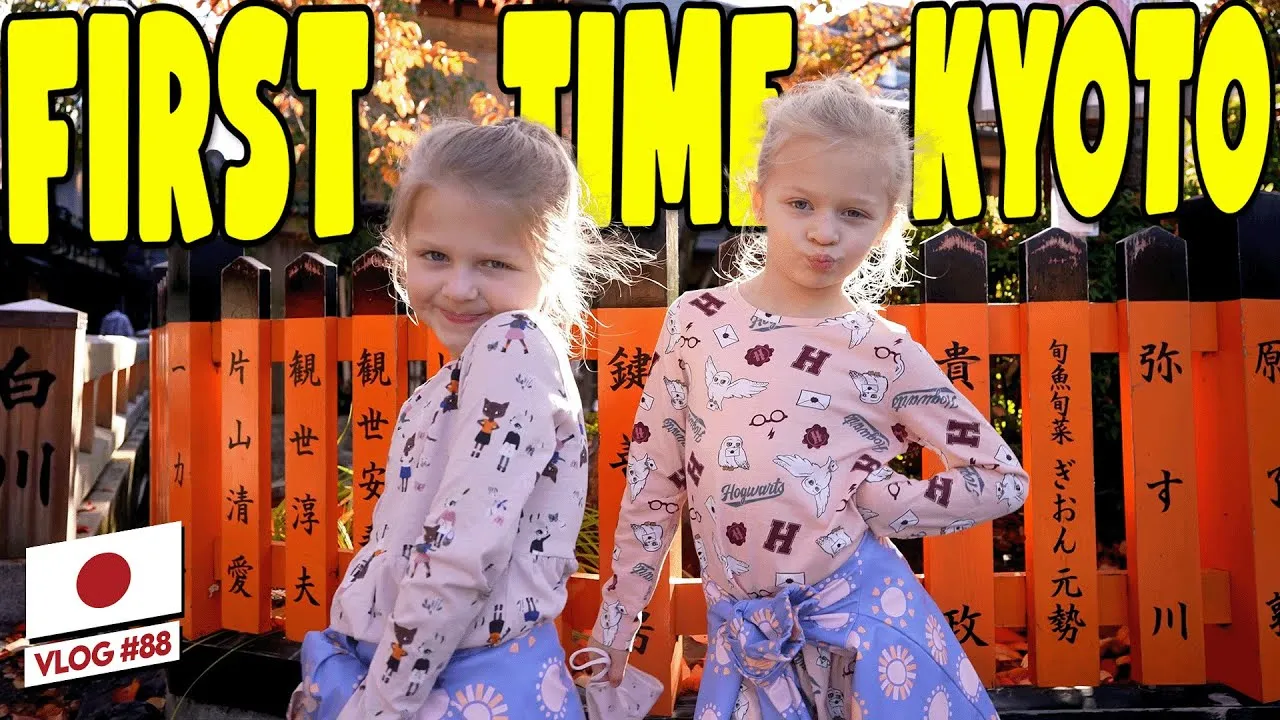
A standard purikura session runs about 400 yen, and that number is the easy part. The actual experience, picking a theme, posing through a countdown that doesn’t wait for anyone, decorating the results on a touchscreen, walking out with a sheet of stickers instead of prints, caught our family off guard the first time, enough that we filmed the whole confused process on our first trip through Kyoto.
What it costs
Most machines run around 400 yen per session, paid in 100 yen coins at the booth, no bills accepted at a lot of locations, so arriving with the right coins matters more than it would for most arcade games. Newer machines increasingly take IC cards like Suica or Pasmo, the same cards that double as transit fare and convenience store e-money, consistent with what we’ve already found true of gacha machines elsewhere in Japan’s arcades, coins are still the safer default to assume walking in rather than the exception. Some locations also rent costumes for an extra fee, a practice called cosupuri, if dressing up for the photos is part of the appeal rather than just showing up as you are.
What that 400 yen buys
Pay at the machine, pick a theme from the options on screen, then step inside with your group. From there the booth runs the show: a countdown of three or four seconds between each shot, pose prompts on the screen facing you, and no retakes once a shot fires, whatever expression you’re caught in is the one that prints. The camera itself leans into a specific look while shooting, brightened skin, softened features, enlarged eyes, the signature “cute” purikura aesthetic rather than a neutral photo, so don’t expect the raw shots to look like an ordinary phone photo even before decoration starts.
After the shooting round ends, everyone crowds around a touchscreen to decorate the photos, stamps, frames, text, filters, before the machine prints the results as a sheet of stickers rather than standard photographs. The most modern machines skip the physical sheet option entirely in favor of sending the images to your phone through a QR code instead.
What caught us off guard
None of that is explained anywhere outside the booth itself, so the real learning curve is doing it once, confused, and understanding the rhythm only afterward. The countdown moves faster than a normal photo op, nobody’s waiting for you to find your angle, and the decorating screen afterward has far more going on, layers of stamps and text tools, than a quick glance suggests. We left with a real sticker sheet and, per our own reaction caught on camera, more questions about how the whole thing worked than we’d walked in with. That’s a fairly normal first-timer outcome, worth expecting rather than a sign you did it wrong.
Fitting a family into one booth
The booths themselves are built for a small group, typically comfortable for two to four people standing close together in frame, which matters if you’re traveling as a bigger family. Three kids and two adults either means splitting into two separate sessions, doubling the 400 yen cost, or everyone really crowding into a single frame built for fewer people, workable but tight. Plan on the former if a clean group shot matters more than the novelty of squeezing everyone in at once.
A real invention, not just an arcade curiosity
Purikura isn’t a generic photo booth concept imported and rebranded, it’s a specific Japanese invention with a real origin story. An Atlus employee named Sasaki Miho conceived the idea in 1994, drawing on her own interest in cute sticker culture, reportedly against some initial skepticism from her bosses. Atlus partnered with Sega to launch the first “Print Club” machines in arcades in February 1995, and the format became one of the highest-grossing arcade products of 1996, helped along by a popular variety show that gave away idol stickers through the machines, turning a novelty booth into something teenagers actively sought out rather than stumbled across. Competing manufacturers, SNK, Konami, Namco, and Furyu among them, built their own versions once the format proved itself, each with slightly different decoration styles and effects, and purikura spread beyond arcades into fast-food shops, train stations, and karaoke venues over the following years, a 1995 arcade novelty that became a genuine fixture of Japanese teen social life rather than a passing trend.
A format built for a specific crowd
Purikura’s original market was teenage girls trading sticker photos with friends, and that history still shapes some shops today: a few locations have historically restricted solo male customers from using the machines without a female companion, a policy meant to keep the format’s original social use intact rather than a blanket rule enforced everywhere. Treat it as a real, if location-variable, practice rather than something to expect at every single arcade, and ask at the counter if you’re unsure whether a shop’s machines are open to your group.
Where to find one
Arcades and game centers across Japan carry them, with especially dense concentrations in Shibuya, Harajuku, and Ikebukuro. One formerly well-known Shibuya purikura destination, often cited by name in older guides, closed for good in 2025, a real reminder that specific shop recommendations age out fast in this particular corner of Japan, any arcade or game center floor is a safer bet to check for a working machine than chasing a single named shop that may no longer be there.
Was it worth it
Yes, and mostly because it’s cheap enough, around 400 yen, to treat as a five-minute curiosity rather than a planned activity. We didn’t walk into that Kyoto arcade expecting to spend part of the evening figuring out a photo booth none of us understood, and that’s exactly what made it a good stop: low cost, low stakes, and a real souvenir, the sticker sheet, to show for a few confused minutes. If a purikura machine is sitting in an arcade you’re already passing through, the cost of finding out what the fuss is about is low enough that it’s worth the five minutes even if, like us, you leave more confused than when you walked in.