Sumo Morning Practice in Tokyo: Guided Tour Cost, and the Free Stable Option
A Klook guided sumo practice tour in Ryogoku runs from $121, led by a sumo journalist. A free, no-reservation stable visit exists too, with tradeoffs either way.
Published on 4 min read
On this page
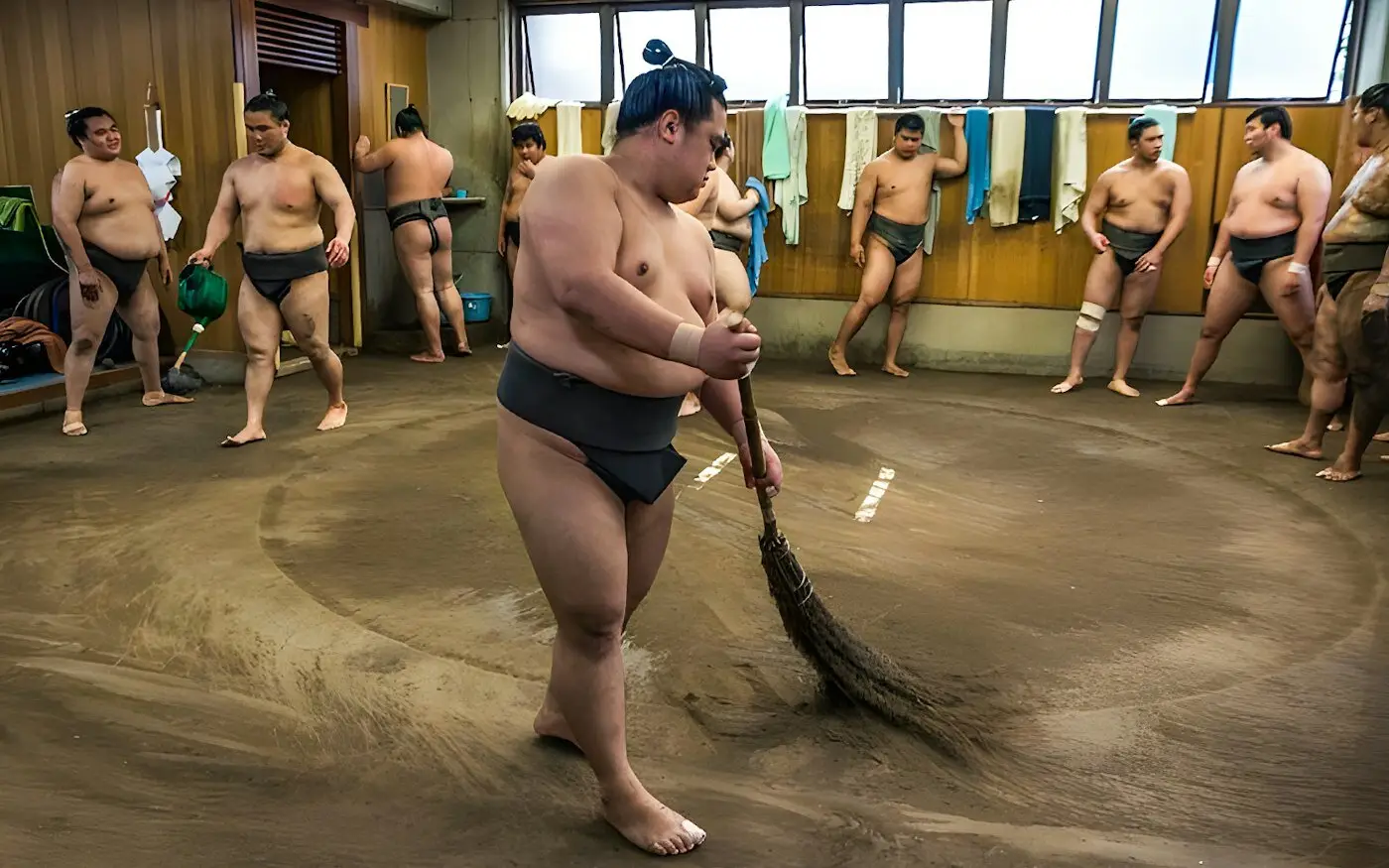
Klook’s Tokyo Sumo Morning Practice tour in Ryogoku runs from $121.15 per person, currently sitting at 5.0 stars across 537 reviews with over 5,000 booked. That’s up from the roughly $92 this same listing showed earlier in the year, worth knowing if an older price estimate is floating around in a saved browser tab. What sets this specific tour apart from most sumo tours on Klook is the guide: a journalist who covers sumo for a major Japanese newspaper, not a general tour guide reciting facts from a script.
What the guided tour gets you
Beyond the guide’s sumo beat experience, tours in this category generally include entry to watch a stable’s morning training session up close, typically starting between 8:00 and 9:00am, plus context on what’s happening as it happens, things a first-time visitor would otherwise miss entirely (why certain drills repeat, what a wrestler’s rank means, which moves are being drilled and why). A guided slot also solves the scheduling problem: stables don’t publish a universal calendar, and knowing which stable is training on which morning is exactly the kind of local knowledge a beat journalist has and a visitor doesn’t.
Klook code: ADAMANDLINDSKLOOK
Click through to Klook below, then enter code ADAMANDLINDSKLOOK at checkout. This is a real affiliate code, we may earn a commission on the booking too, at no extra cost to you. See how affiliate links work here.
10% off, New Klook user
$50 minimum spend, capped at $50 off, one time use. Valid through December 31, 2026.
3% off, Existing Klook user
$50 minimum spend, capped at $50 off, up to three uses. Valid through December 31, 2026.
1% off, Selected things to do and mobility, including teamLab Planets TOKYO, teamLab Borderless, teamLab Biovortex Kyoto, Japan Shinkansen tickets, SHIBUYA SKY, Warner Bros. Studio Tour Tokyo, and Osaka Amazing Pass
No stated minimum spend for this tier. Valid through December 31, 2026.
50% off, eSIM, new eSIM customers only
No minimum spend, capped at $1.50 saved, one time use. Valid through December 31, 2026.
The free option, and the catch
Not every stable requires a paid tour. Arashio Stable reopened to walk-in visitors in April 2023 after a COVID-era closure, and it posts its visitor policy directly rather than leaving it to secondhand reports. It has been reported as free to visit with no reservation needed, you show up and watch through the window if practice happens to be running that morning. That’s the honest appeal and the honest risk in one sentence: schedules can shift without notice, and a stable’s visitor policy is set by that stable, not by any citywide rule, so what worked for one traveler’s blog post last year isn’t guaranteed this week. One other wrinkle worth knowing before showing up expecting the genuine article: at least one travel outlet has reported that some stables run the actual practice first, then a staged session afterward specifically for visitors, so a free walk-in doesn’t always guarantee you’re watching the same session the wrestlers trained on. A paid tour with a guide who tracks sumo professionally is the more reliable way to land on an actual training morning, not just a morning something is happening in the building.
Rules that apply either way
Whether it’s a paid tour or a free walk-in, stables run on the same basic etiquette: no talking, eating, or drinking during practice, no flash photography, and video is commonly banned outright. Some stables set a minimum age for visitors, 12 and up shows up on more than one stable’s posted rules, worth checking before planning this around younger kids.
How this stacks up against the Asakusa Sumo Club dinner show
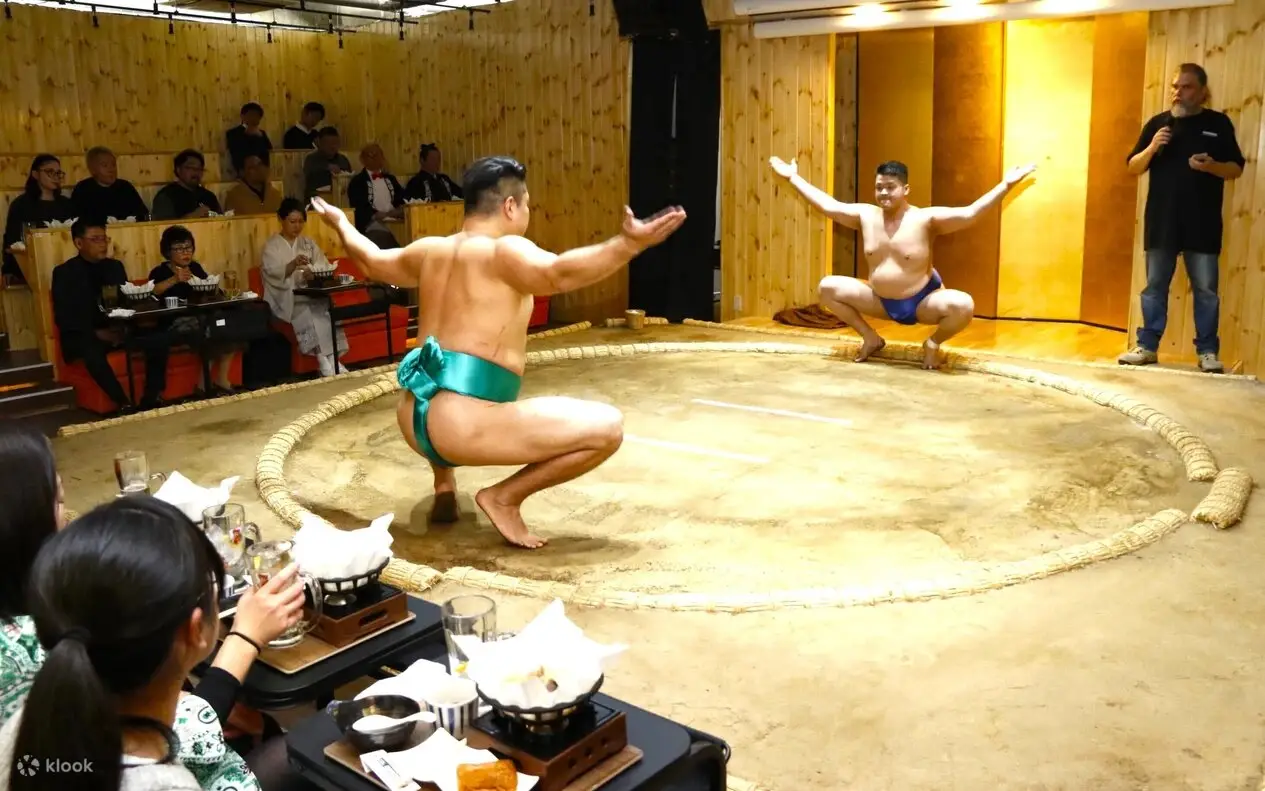
We already covered the Asakusa Sumo Club dinner show, $100 to $102 on Klook, an evening format with retired wrestlers, a full chankonabe meal, and a guaranteed show regardless of any stable’s morning schedule. The two aren’t competing for the same traveler: the dinner show trades a glimpse of professional training for a sure thing you can book any night, food included, while the morning practice tour (or the free Arashio option) gets you something closer to the sport itself, at the cost of schedule uncertainty. Against a tournament ticket, chair seats start around ¥4,000 to ¥9,500 per person through Ticket Oosumo’s Japanese-language site, so a $121 practice tour sits in the same range as a reasonable tournament seat, just on a schedule you control instead of one tied to three annual Tokyo windows.
Four ways to see sumo in Tokyo, side by side
| Option | Price | What you get | Reliability |
|---|---|---|---|
| Free stable walk-in (Arashio) | $0 | A window view of morning training, no guide | Schedule can shift without notice |
| Guided practice tour (Klook) | From $121.15 | Confirmed slot, a sumo-journalist guide, context as it happens | High, booked in advance |
| Asakusa Sumo Club dinner show | $100 to $102 | Evening show, retired wrestlers, full chankonabe meal | Guaranteed, runs nightly |
| Tournament chair seat (Ticket Oosumo) | ¥4,000 to ¥9,500 | A full match during one of three annual Tokyo windows | Tied to the tournament calendar |
Was it worth including
For a family that wants to see sumo and has flexible mornings, the free stable option is worth trying first, nothing lost if the schedule doesn’t cooperate that day. For anyone who wants a confirmed slot, context from someone who covers the sport for a living, and no risk of showing up to a closed stable, $121 buys certainty the free version doesn’t.