Trying Tonkatsu for the First Time With Three Kids Under 10
Real tonkatsu pricing in Tokyo (1,500 to 15,000 yen depending on the cut), the dish's real 1899 Ginza origin, and how the free cabbage and rice refills make it an easy order for a family.
Published on 5 min read
On this page
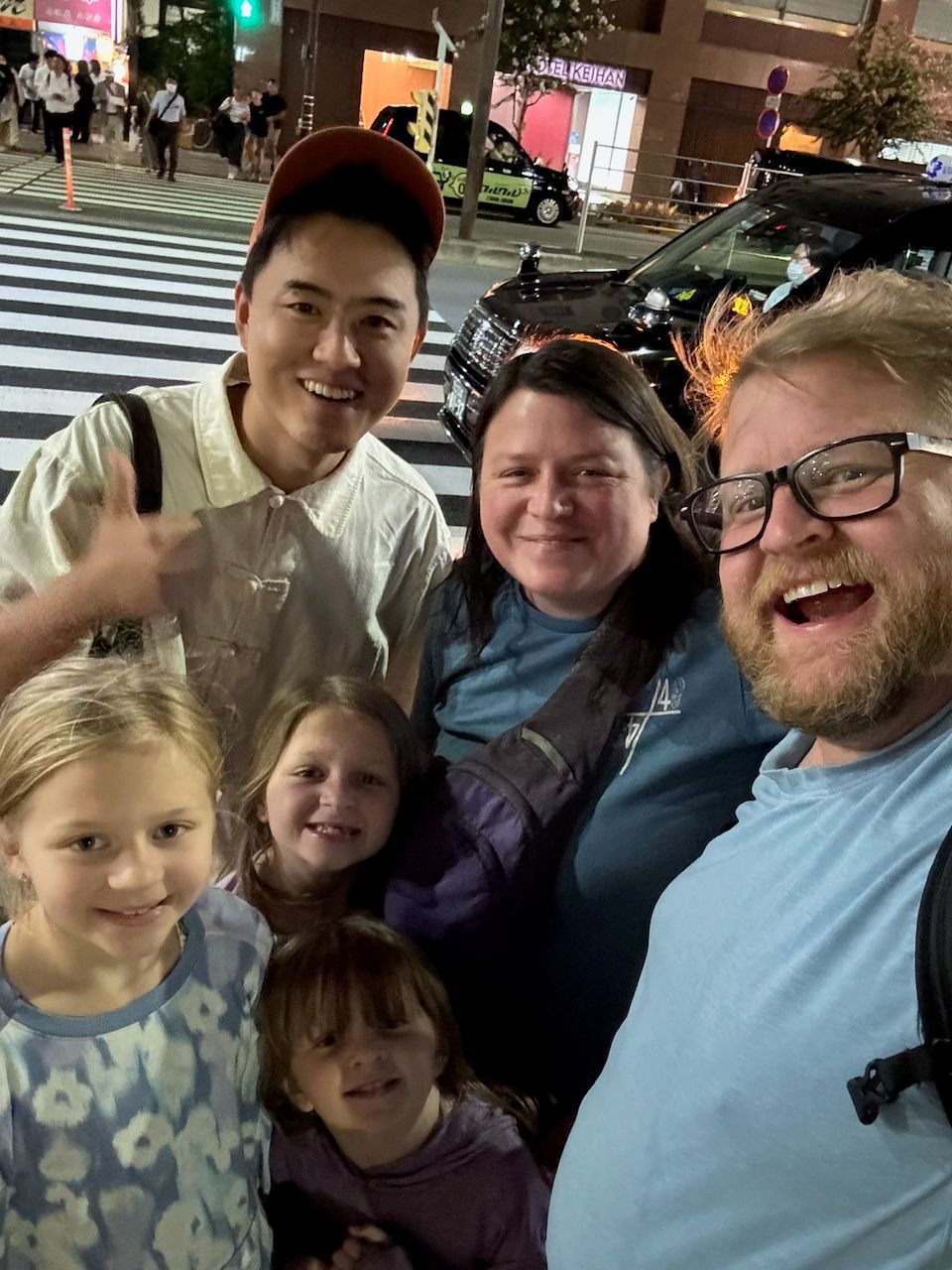
Three kids, a first-time order, and neither of us entirely sure how you’re supposed to eat it: that was tonkatsu night for us in Tokyo, a dish that turned out to have a real, specific invention story and a pricing structure that works unusually well for a family table.
It’s not the old Japanese tradition it looks like
Tonkatsu was invented in 1899 at Rengatei, a Western-style restaurant in Ginza, and it’s a genuine hybrid rather than an old folk recipe. The starting point was katsuretsu, a Japanese take on French veal cutlet pan-fried in butter, which Rengatei’s chefs found too greasy for local tastes. They borrowed tempura’s deep-frying method instead of pan-frying, switched from veal to cheaper pork, and used the lighter panko breading that’s now standard. The restaurant’s original demi-glace sauce eventually got replaced with a blend of two imported Worcestershire sauces, the real origin of today’s tonkatsu sauce, and cabbage took over from the dish’s original carrots and potatoes as the standard side, reportedly because the kitchen was short-staffed and shredded cabbage was faster to prepare than cooked vegetables. A 127-year-old dish built out of French technique, Japanese adaptation, and a kitchen staffing shortage, not the centuries-old tradition it can look like on a menu.
How to eat it
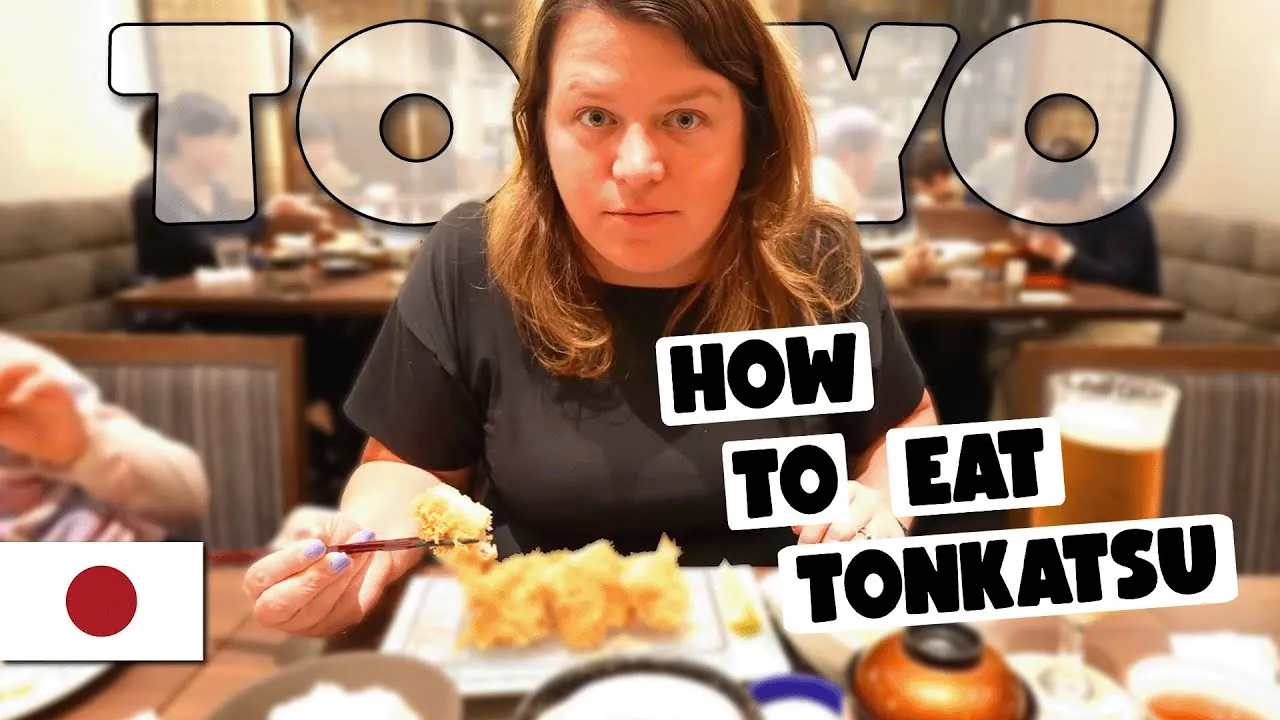
For anyone else walking in without knowing the routine: tonkatsu arrives pre-sliced into strips specifically so it’s easy to eat with chopsticks, no knife needed despite looking like a dish that should require one. The standard accompaniments are tonkatsu sauce (that Worcestershire blend) poured directly over the cutlet or used for dipping, a spot of karashi mustard on the side, and sometimes a lemon wedge. It comes as part of a set meal almost everywhere, rice, miso soup, pickles, and the shredded cabbage alongside the main cutlet, not a plate you order piecemeal.
What it costs
Real current Tokyo pricing splits into three clear tiers. Budget lunch sets at chains like Tonkatsu Wako, Saboten, and Maisen’s lunch menu run roughly 1,400 to 2,000 yen, Wako specifically listing a set around 1,630 yen that includes miso soup with free cabbage and rice refills. Mid-range options, Maisen’s kurobuta (black pork) course among them, run 3,000 to 5,000 yen. Premium tonkatsu built around specific pork breeds, Kagoshima kuro-buta, Iberico, or Mangalica at a restaurant like Butagumi in Nishi-Azabu, climbs from around 5,000 up to 15,000 yen for the top tier. None of those numbers are fixed chain-wide, confirm current pricing at the specific restaurant before you go, but the shape holds: this is a dish with a real, wide, deliberate price range depending on how much you want to spend, not a single flat price point.
The good-luck pun behind it
There’s a real cultural layer to this dish beyond the recipe: katsu (カツ, the cutlet) sounds identical to katsu (勝つ), the verb meaning “to win,” and that pun has turned tonkatsu into a real pre-exam and pre-competition good-luck food in Japan. Students eat it the night before a big test, athletes eat it before a match, a genuine, documented superstition called genkatsugi (actions taken to invite good luck) rather than a marketing invention. It’s also the real root of a more famous piece of Japanese snack culture: Kit Kat’s own good-luck reputation in Japan comes from its name sounding close to “kitto katsu” (きっと勝つ, “you’ll surely win”), a newer variation on the same older tonkatsu tradition rather than a standalone candy superstition. Knowing that gives the dish a different weight than just dinner, something worth telling kids while they’re eating it for the first time.
Why it works for a family specifically
The free cabbage and rice refills at the budget tier aren’t a minor perk, they’re the real reason this dish is an easy order for a table of five. A kid who eats more rice than cutlet, or wants extra cabbage instead of finishing the pork, doesn’t turn into an extra line item on the bill the way a refill request would at most restaurants. Splitting one adult-sized cutlet between two smaller kids is a real, workable option too, since the pre-sliced strips already come ready to share without anyone needing to cut anything at the table. For a first-time dish with three kids who’d never tried it, that combination, low financial risk if someone doesn’t finish, zero cutting required, meant we could let everyone just try it rather than pre-committing to a full kids’ portion nobody had asked for yet.
A related dish worth knowing the difference on
Menus often list tonkatsu alongside katsudon, and they’re easy to confuse on a first visit: katsudon takes the same fried cutlet, slices it, and simmers it with egg and onion before serving it over a bowl of rice, a real, different dish rather than just a presentation variant of plain tonkatsu. It’s usually priced close to or slightly below a comparable tonkatsu set, and it’s worth ordering at least once separately since the egg and simmered sauce change the texture and flavor more than the shared main ingredient would suggest. If a kid balks at a plate with separate rice, soup, and cabbage, a katsudon bowl, everything combined in one dish, is sometimes the easier sell.
Was it worth the first try
Completely, and it’s become a real repeat order since. A dish that costs as little as 1,500 yen at the low end, comes with built-in flexibility for picky or small eaters, and has a real, interesting invented-in-Ginza backstory is a rare combination on a menu built for tourists and locals alike. If your kids haven’t tried it yet, a budget-tier lunch set is about as low-risk a way to introduce them to it as Japanese food gets.