We Rode Japan's Original Bullet Train Route, 58 Years Later
Our first-ever Shinkansen ride retraced the exact Tokyo-Osaka route the bullet train launched on in 1964, Mt Fuji included. Real history, a real seat-side tip, and what the ride cost.
Published on 3 min read
On this page
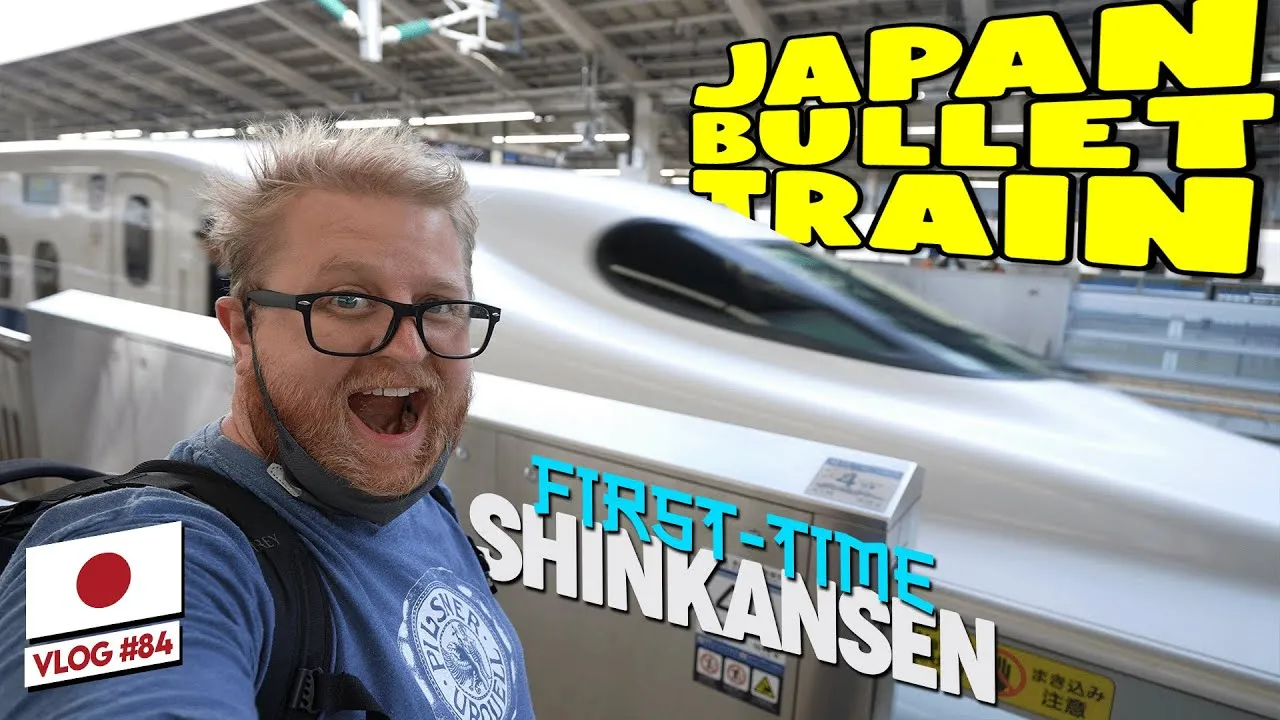
The Shinkansen’s very first run happened on October 1, 1964, nine days before the Tokyo Olympics opening ceremony, when the train called Hikari 1 pulled out of Tokyo Station bound for Osaka. It was the world’s first high-speed rail line, built to be finished in five years flat so it would be ready for the Games, and it ran at a top speed of about 210 km/h on a route that still carries trains today at closer to 285 km/h. On November 10, 2022, we boarded a Shinkansen at Tokyo Station for the very first time, riding that exact same route, 58 years after it opened.
The one real tip worth knowing before you ride it
If Mt Fuji seeing is on your list, direction and timing both matter. Traveling Tokyo to Osaka, the mountain shows up on the right side of the train, window seat E, roughly 40 to 45 minutes after departure, just before and after Shin-Fuji Station. We got lucky with clear weather and caught it. It’s not guaranteed, Fuji hides behind cloud cover often enough that some guides recommend checking a same-morning visibility forecast before you lock in a seat, but it’s a real, free bonus on a ride you’re already taking.
What it cost, and where the real savings are
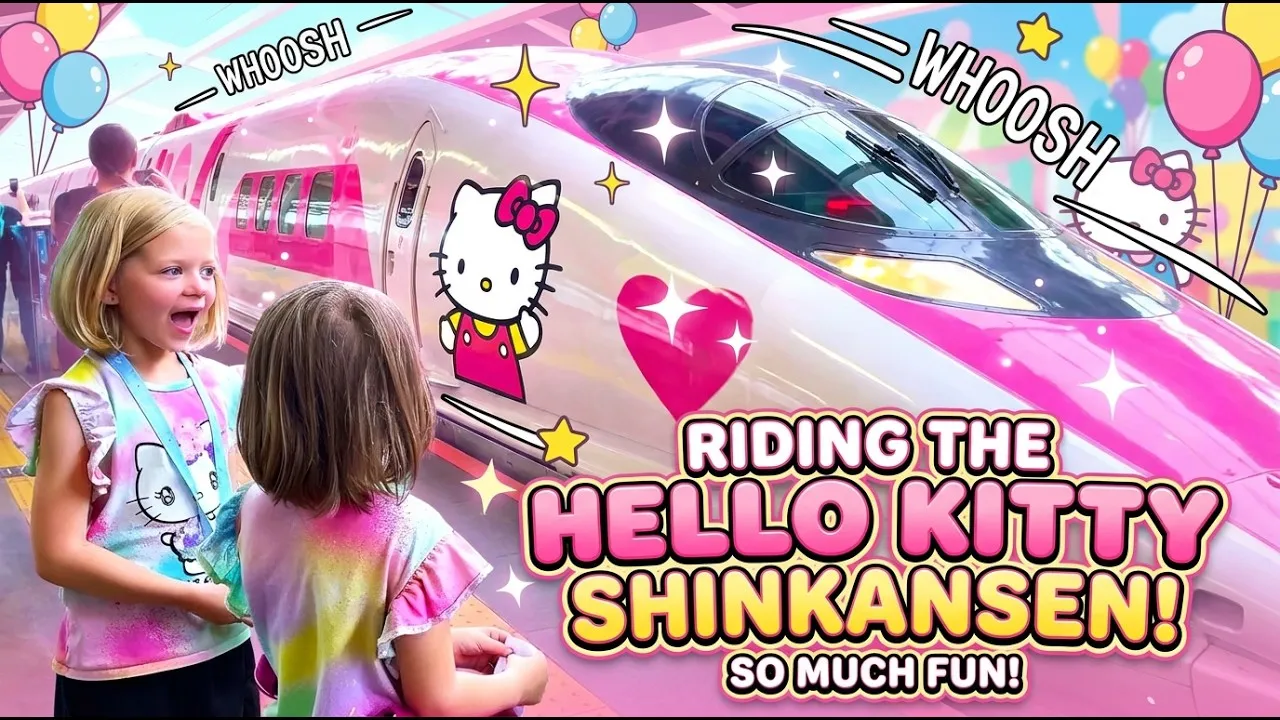
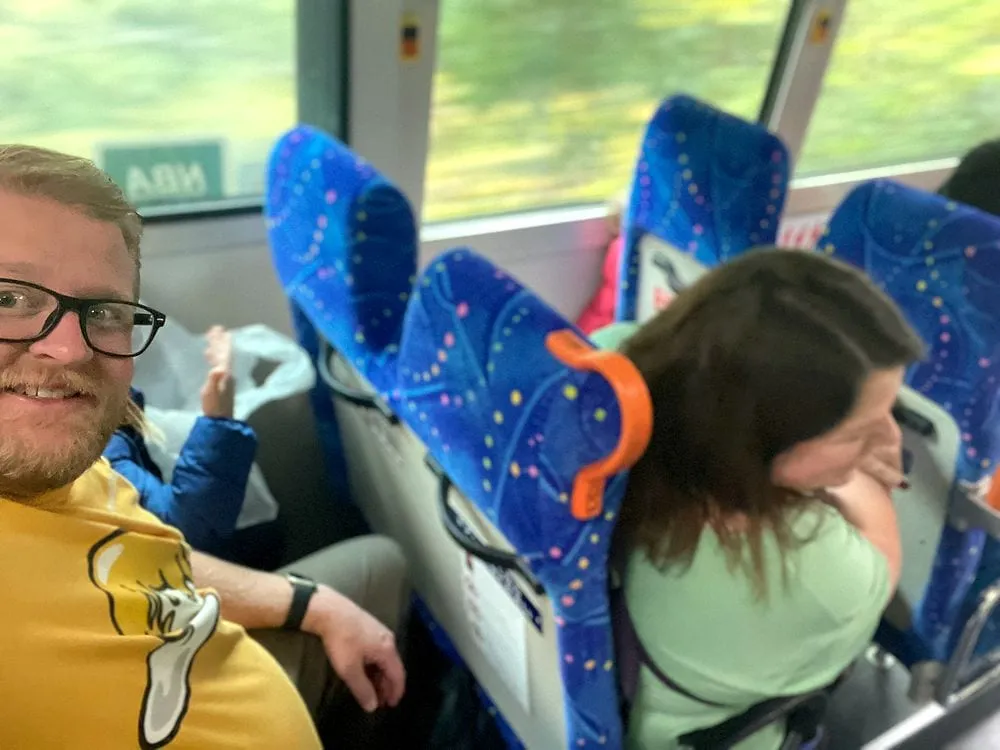
We’re not going to re-walk the booking math here, we’ve already written the real comparison of JR Pass versus Klook versus the station machine with current 2026 numbers, since that’s the same math whether it’s your first ride or your fiftieth. What’s worth saying from the first-ride experience itself: the trip runs just over two hours Tokyo to Osaka, and it earns that time. Wide reclining seats, a fold-down tray, real legroom even with a toddler on a lap, and a luggage rack sized for actual suitcases rather than a cramped airplane overhead bin. For three kids who’d never been on anything faster than a city subway, the ride itself was most of the entertainment.
Not every part of day one went smoothly
Worth saying honestly: the bullet train was the easy part of that day. A rough hotel check-in once we landed in Osaka, the kind of mix-up that happens on a first day in a new country when you’re jet-lagged and still learning how things work locally, was the real low point, not the train. We’ve written separately about the luggage-forwarding service that would have saved us some of that day’s stress if we’d known about it from day one rather than figuring it out later in the trip.
Was it worth it
Completely. Riding the same route the Shinkansen launched on, nearly six decades later, with Mt Fuji visible out the window for a few real minutes, is a better first impression of a country than almost anything else that first week gave us. If your own first Japan trip includes a Tokyo-to-Osaka leg, book the right side seat, check the weather, and let the kids watch the scenery blur past at 285 km/h. The history is free, you’re riding it either way.