Is a Traditional Ryokan Worth It in Hakone? A Look at One That's Been There Since 1883
Hakone Kowakien Mikawaya Ryokan has private open-air hot spring rooms and a 140-year history. What it costs next to a standard hotel room, and whether that gap is worth paying.
Published on 4 min read
On this page
A standard hotel room in Hakone runs somewhere in the same ballpark as a room at a 140-year-old ryokan with a private hot spring bath built into the room. Same town, same mountain air, same rough price range on a given night. So the real question isn’t whether you can afford a ryokan here, it’s whether the thing you’re paying for is worth more than a normal room with a normal bathroom. Here’s what one specific property offers for that money.
What Mikawaya is
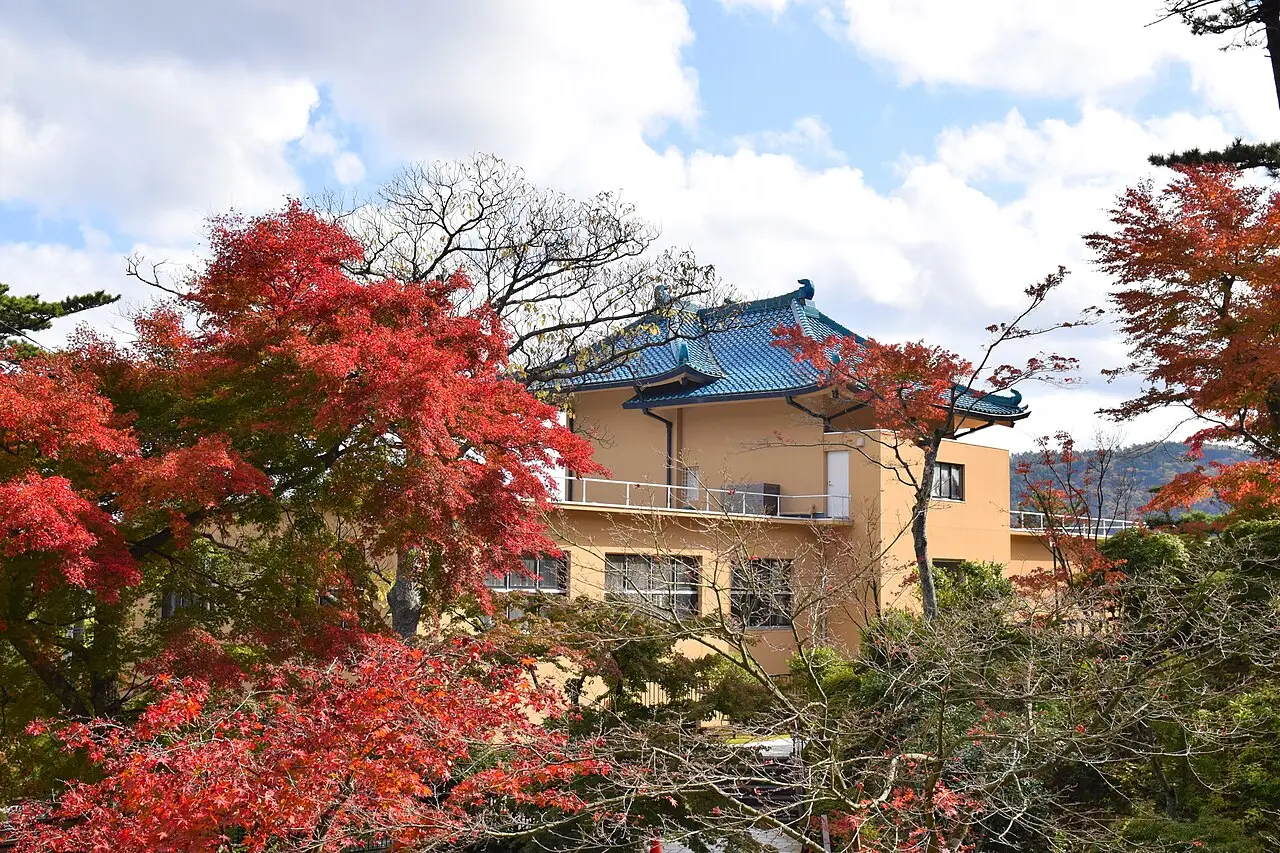
Hakone Kowakien Mikawaya Ryokan sits in Kowakudani, a hot spring valley that one source credits the inn itself with helping establish back in 1883. That puts the property at somewhere over 140 years old, and it’s listed as a Registered Tangible Cultural Property of Japan, a real designation, not marketing language, though we’re working from a single detailed source on the exact history and would confirm it directly before repeating it as settled fact. The current main building is the one visible from the garden in photos taken over the past century, not a modern reconstruction wearing an old name.
The part a standard hotel room doesn’t have
The real differentiator is private open-air bathing. By one count, ten of the property’s rooms come with an open-air hot spring bath built in, filled with the same mineral water as the shared indoor bath downstairs, no robe-and-slippers walk to a communal room required. One guest review flagged that private-bath rooms are in high demand and can mean a wait if someone else is using a shared option, worth asking about directly when booking rather than assuming every room has one. Rooms without a private bath still get the indoor shared mineral hot spring on site, plus free access to Mori no Yu, a separate bathing area nearby included in the stay at no extra charge. Family rooms with garden views and air conditioning are also listed, a real option for a group that doesn’t need the private-bath upgrade.
What it costs right now
Price snapshots pulled from different booking sites on different dates land in a fairly consistent range: one source showed $353 a night, another $363 for a two-night stretch, and one traveler’s trip report put a single night at roughly $386, close to the ¥90,000 they said they paid. Treat all of that as a rough band from whenever each snapshot was taken, not a live quote, hotel and ryokan pricing both move with season and demand the same way, and the booking link below pulls whatever the current rate is for your dates. One more thing worth checking before booking: a third-party listing mentioned renovation work running from mid-2025 into late that year, which should be well behind the property by now, but it’s the kind of detail worth a quick confirmation rather than an assumption.
Hakone Kowakien Mikawaya Ryokan
These are affiliate links. We may earn a commission if you book through them, at no extra cost to you. See how affiliate links work here.
How it compares to the other kind of Hakone stay
This isn’t the only way to spend a night in the area, and it isn’t trying to be. Our Stay Spotlight on Kimpton Shinjuku covers the opposite end of the spectrum, a boutique Western-style hotel built around design and consistency. A ryokan like Mikawaya is selling a different thing entirely: a specific building, a specific regional food tradition at dinner, a private bath that’s part of the room rather than a hotel amenity list item. If a reliable, predictable room is what you want, a chain hotel in Hakone or a base in Tokyo with a day trip out to Hakone and Mt Fuji covers the same ground for less planning. A ryokan stay is the harder-to-standardize option on purpose.
Getting there, and making it worth the trip
The trip from Tokyo starts with Odakyu’s trains from Shinjuku Station to Hakone-Yumoto, a regular express ride we’ve priced out in full already at 2,540 yen round trip for an adult. From Hakone-Yumoto, Kowakudani is a short run further up the valley on the Hakone Tozan line or local bus, both covered by the same Hakone Free Pass that also unlocks the cable car and ropeway for whatever else is on the itinerary that day. Anyone building a multi-stop Hakone day around the Free Pass should already have that math done before adding a ryokan night on top of it. A ryokan stay works best as an overnight anchor for exactly that kind of day, not as a quick stopover squeezed between two Tokyo nights.
So, worth it?
If what you’re after is a room, any clean room with a bed solves that, and a standard hotel will usually solve it for less. But a private open-air hot spring bath attached to your room, in a building with a real, verifiable 140-year history, in a valley it reportedly helped put on the map, is not something a normal hotel room sells at any price. The dollar gap between Mikawaya and a standard Hakone hotel room is smaller than most people expect going in, which is really the answer here: it’s not a luxury splurge over a budget option, it’s close enough to the same money that the real decision comes down to what kind of night you want, not what you can afford.
Photo credits: Cover, a ryokan in Hakone, not Mikawaya itself: Raita Futo, CC BY 2.0, via Wikimedia Commons.