The Wayb Pico Travel Car Seat, Line by Line: Price, Specs, Four Years of Actual Use
The compact folding car seat our family has used since day one of full-time travel in 2022. Current price, weight and capacity limits, and where it fits into a Japan trip.

Published on 4 min read
On this page
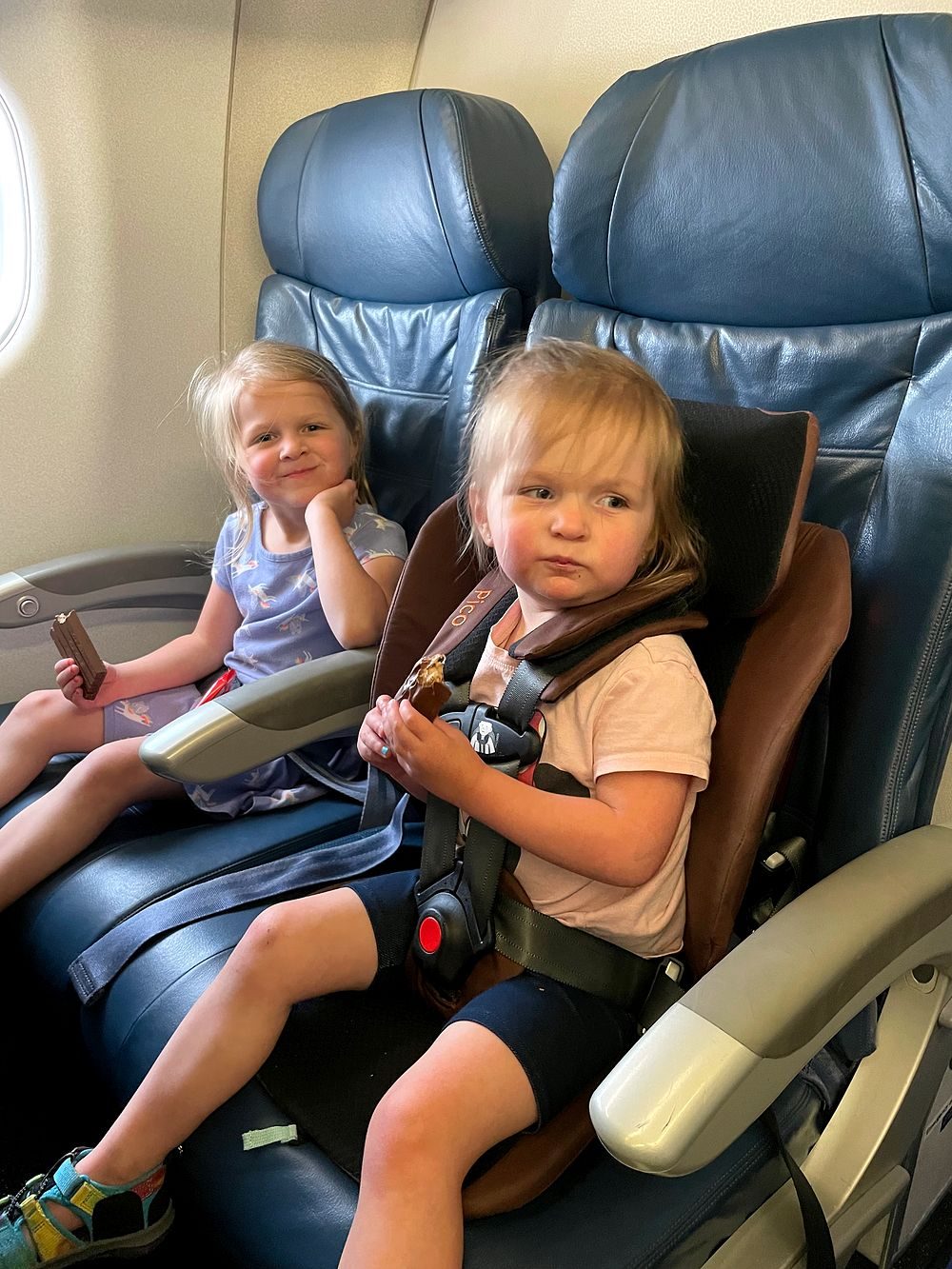
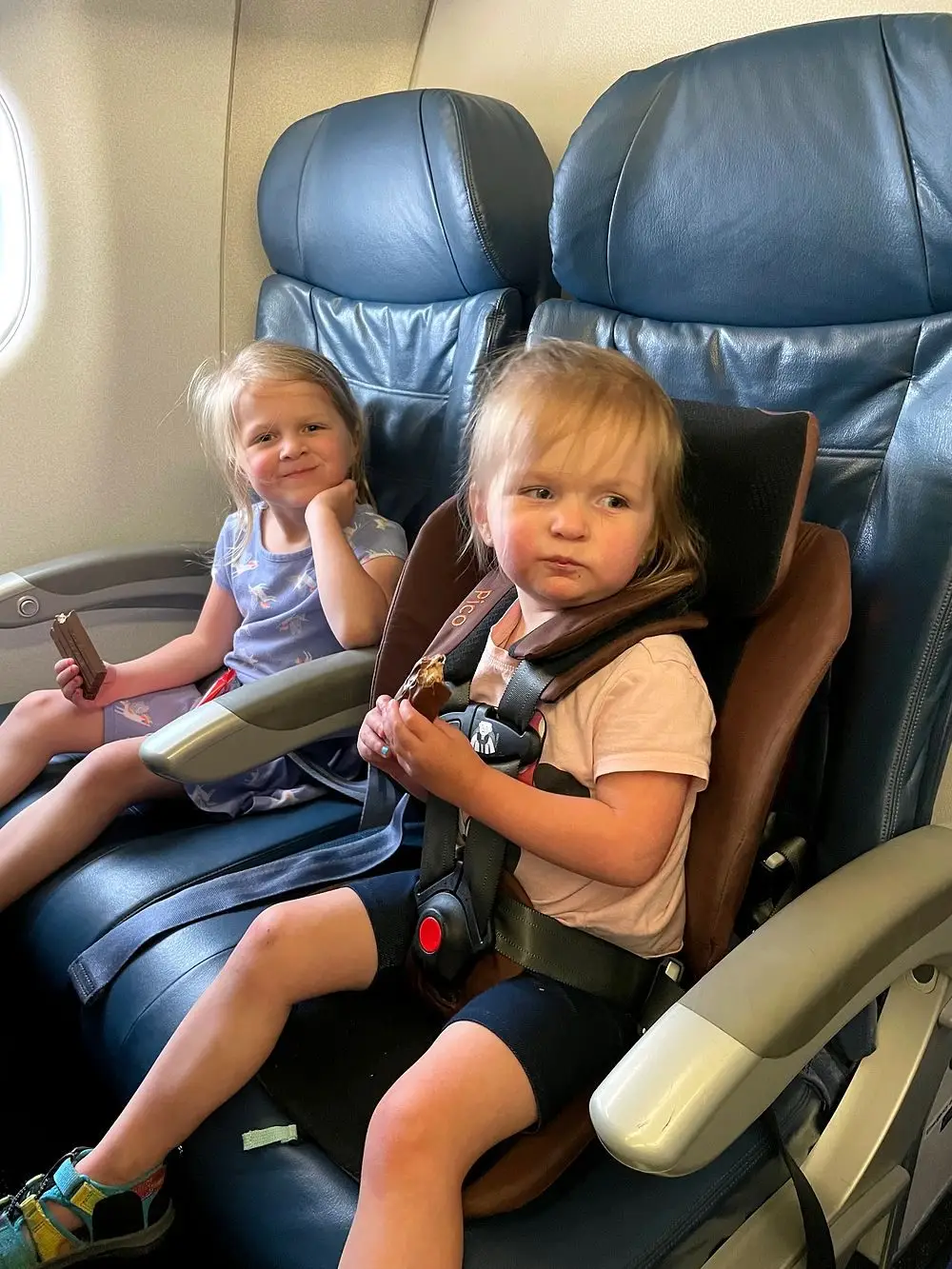
That’s day one. We left Indiana that morning with seven bags for five people and no return date, and the Wayb Pico was already doing its job on the first flight before we’d even left the country. Four years and dozens of countries later, it’s still real gear we own and use, not a one-trip impression.
What it is
The Pico is a folding, fabric-shell travel car seat built to be light enough to carry rather than check, the alternative to lugging a full-size convertible seat through an airport or renting one at a counter that may or may not have your size in stock. It folds flat into a bag for the overhead bin or a checked backpack.
The real numbers
| Seat alone | around $499 |
|---|---|
| With carry bag | around $559 |
| Full travel bundle | around $649 |
| Carry bag only | around $95 |
| Vehicle seat protector | around $45 |
| Cup holder attachment | around $35 |
| Weight | about 8 pounds |
| Capacity | 22 to 50 pounds, 30 to 45 inches, forward-facing only |
Those prices and the capacity range come from a single retail listing and a detailed third-party review rather than an official current price page we could pull directly, treat them as a real starting point and confirm on Wayb’s site before buying. One more detail from that same review worth flagging rather than ignoring: seats manufactured after June 30, 2025 reportedly carry tightened weight and height minimums (26.5 pounds and up on newer units), a single source, not independently confirmed, but worth asking about directly if buying new rather than assuming the older spec sheet still applies.
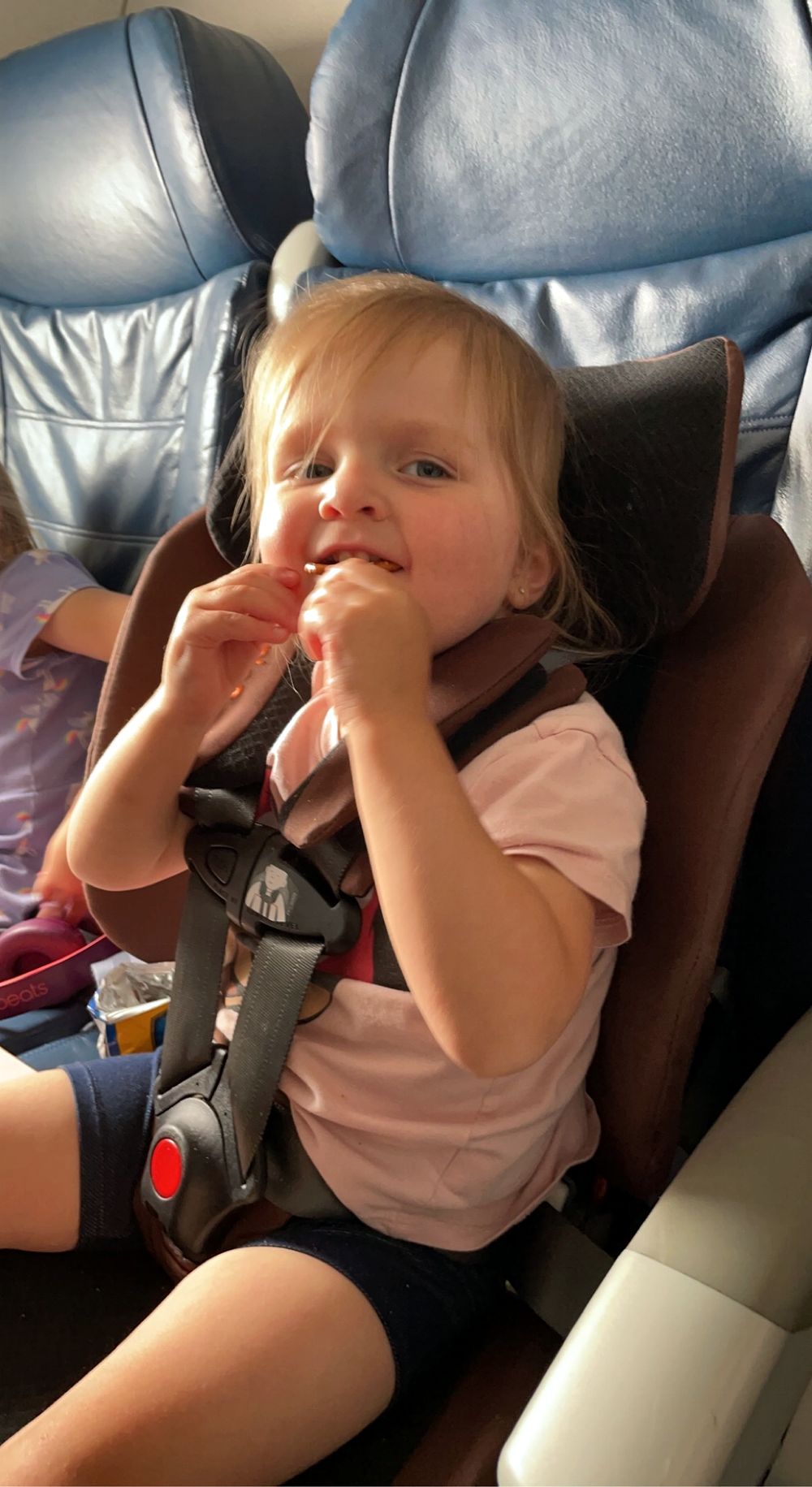
FAA approved, which matters more than it sounds like
The Pico carries FAA approval for use as an airplane seat, not just a car seat, the sticker confirming it sits on the bottom of the shell. That dual use is the real reason it earns a spot in the carry-on rotation instead of the checked bag: the same seat that keeps a toddler secured in a rental car also straps into an airplane seat, one piece of gear covering both legs of a trip instead of two.
Where this matters most for a Japan trip
We’ve written up Japan’s real car seat law separately: licensed taxis are exempt, which covers most of what a Japan trip built around trains and city taxis needs. A rental car is where the Pico earns its keep specifically, Japan’s under-6 requirement applies to rental cars the same as a private vehicle, and rental counters charge a real per-day or per-rental fee for a seat they supply, assuming they have your size in stock when you land. Bringing a folding seat that’s already sized right and already familiar to a kid who’s napped in it on a dozen flights removes that uncertainty for a Hakone or countryside leg of a trip.
Owning one versus renting locally every time
The honest comparison isn’t the Pico against nothing, it’s the Pico against just paying the rental counter’s fee each time a trip needs a car. Toyota Rent a Car’s pricing, which we’ve confirmed separately, charges a one-time 1,650 yen option fee for a child or infant seat, call it roughly $11 at typical exchange rates. One Japan trip with one rental car leg, that’s obviously the cheaper call by a wide margin. The math flips once a family travels often enough that “one trip” isn’t the real unit: four years in, we’ve used the same seat across enough flights and rental cars in enough countries that paying a local fee every single time would have added up past the Pico’s price a long time ago, on top of the real risk of a counter not having the right size in stock on a given day.
Four years in, was it worth it
Yes, and the real evidence is that it’s still in rotation rather than replaced. A seat bought for one toddler on one departure day has carried two more kids through the same weight range since, across flights, rental cars, and however many countries a family of five ends up adding up over four years of full-time travel. The $499 starting price reads steep next to a $30 inflatable booster, but measured against years of actual use instead of one trip, it’s the rare piece of travel gear that’s earned the space it takes up in a bag.
This post has affiliate links. How this works