Dressing Three Kids as Mario Characters for Halloween in Tokyo
Japan's Halloween isn't trick-or-treating, it's costumes and community events. Real Don Quijote and Village Vanguard costume pricing, and a real Halloween afternoon in Ueno.

Published on 7 min read
On this page
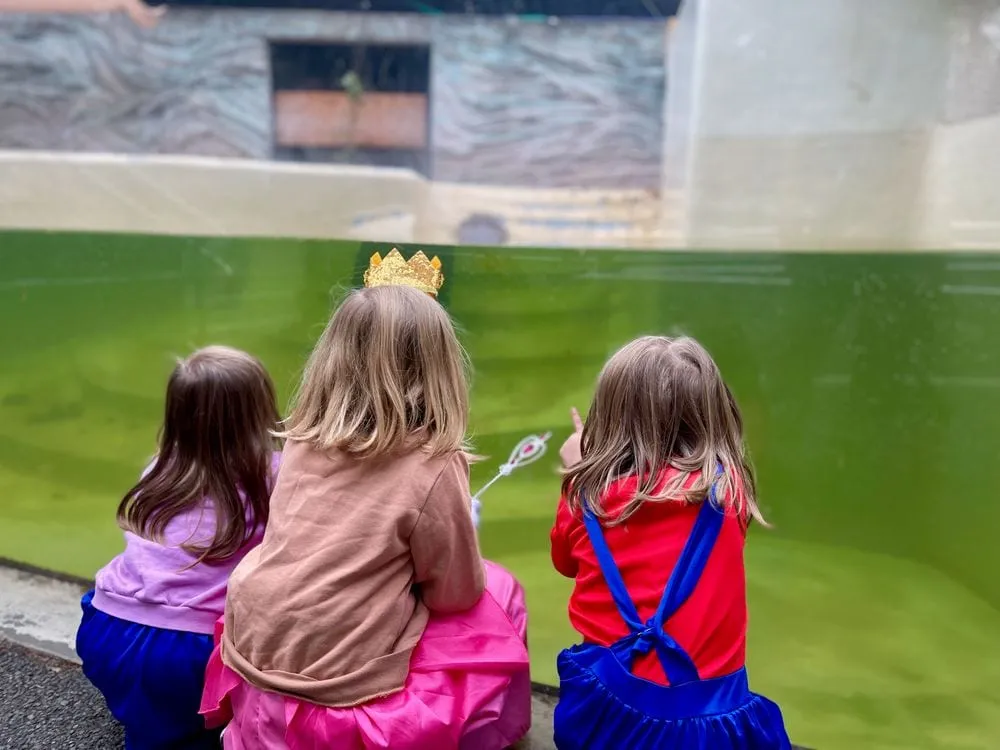
Three kids, three Mario characters, one real Halloween afternoon in Ueno: Mario, Luigi, and Princess Peach, head to toe, through a swan boat ride and a zoo visit without anyone asking to take the costume off early. We’ve already written up what that day’s zoo tickets and boat rentals cost. What we hadn’t covered is the costumes themselves, and the bigger, useful thing behind them: Halloween in Japan isn’t the holiday most visiting families think it is.
Halloween in Japan isn’t trick-or-treating
If you’re picturing door-to-door candy runs, recalibrate before you plan around it. Trick-or-treating never took hold in Japan the way it did in the US, most Japanese families mark the day through community events and parties rather than knocking on neighbors’ doors. The holiday itself is a relatively recent import: it stayed a small, mostly expat occasion through the late 1970s and 1980s, then started growing in the late 1990s once Tokyo Disneyland and Universal Studios Japan began running their own seasonal costume parades. Shibuya’s now-famous street gathering is newer still, the first recorded version dates to 2011, just a handful of people in costume mixed into the regular crowd. By the late 2010s it had grown into one of Tokyo’s biggest annual youth events, billions of yen a year in costumes, food, and transportation, built less on Western Halloween’s horror theme and more on Japan’s existing cosplay culture, costume as creative expression rather than trick-or-treat tradition.
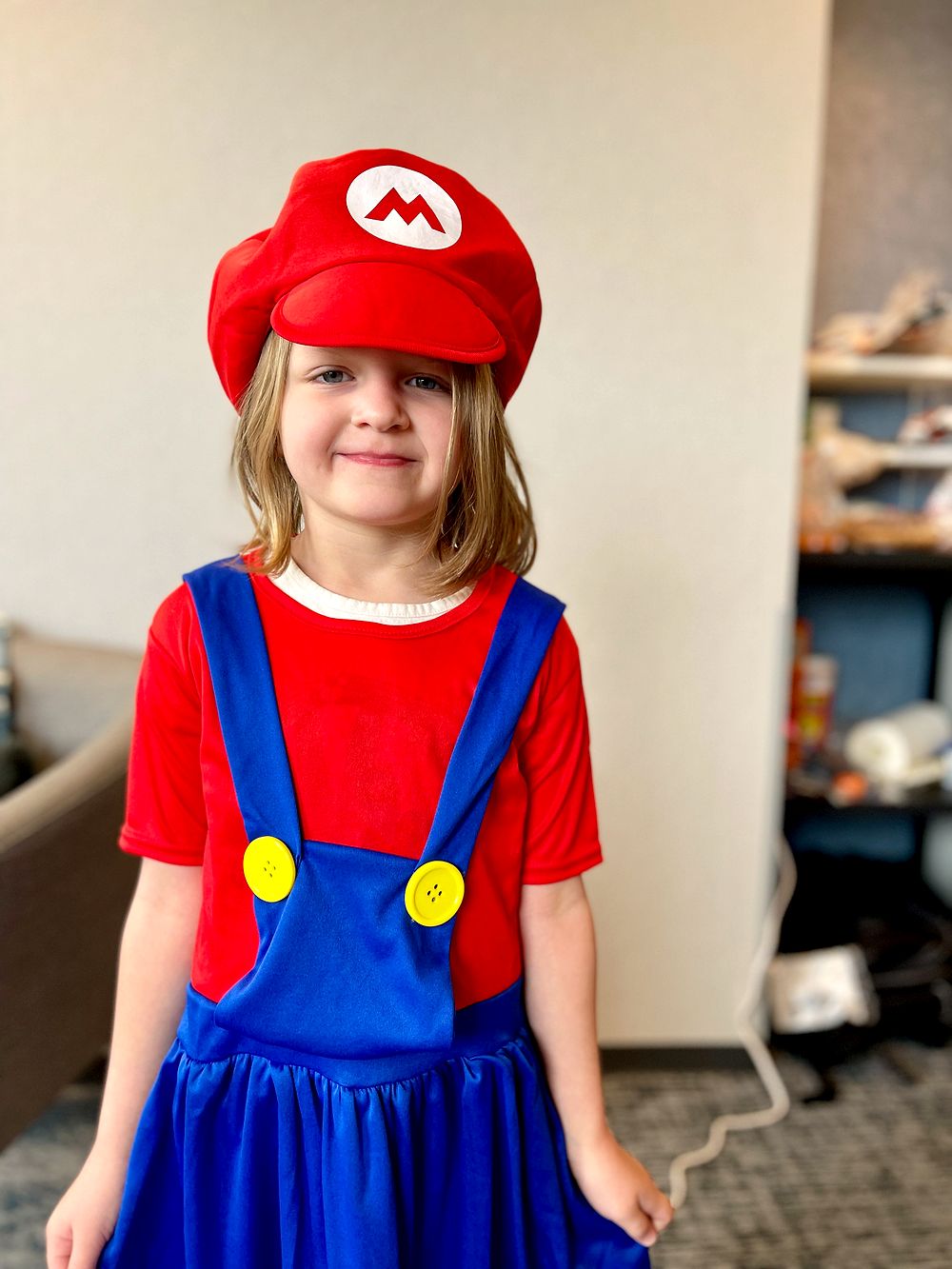
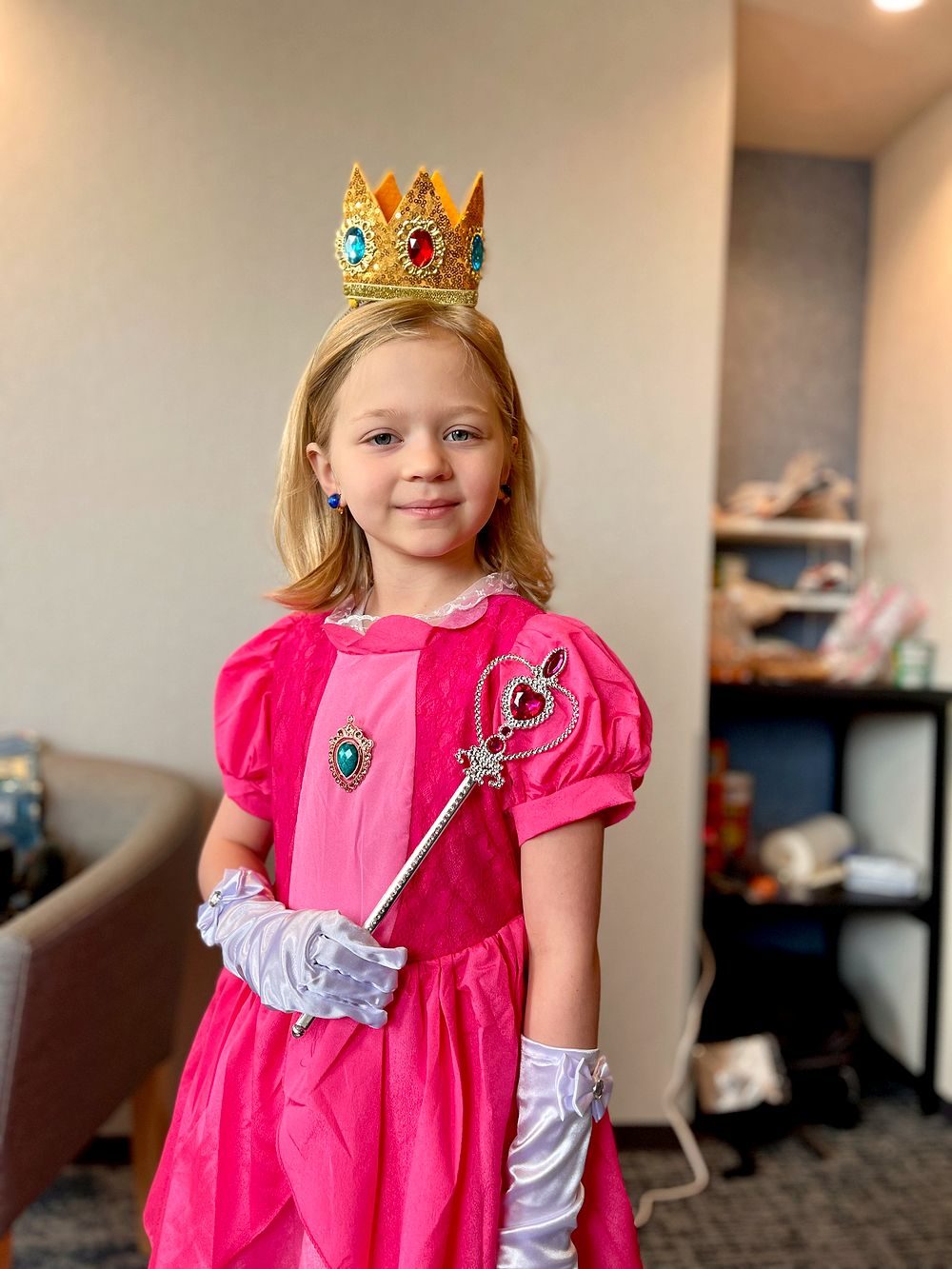
That matters for planning: if your family’s picture of Halloween abroad is knocking on apartment doors, that’s not what’s on offer here. What is on offer is exactly what we did, costumes worn out into public space, around a zoo, a park, a pond full of paddle boats, with other costumed families and plenty of normally-dressed pedestrians mixed in, no door-to-door required and nobody treating a full costume in public as unusual for the day.
Shibuya is a different story this year
If Shibuya’s crossing packed with costumes is part of your mental picture of Halloween in Tokyo, it’s worth knowing that 2026 looks different there specifically. There was never an official organized Shibuya Halloween event to begin with, no host, no stage, no permit, it grew entirely out of people showing up in costume and the crowds feeding on themselves. After a few years of serious crowd-safety problems, the ward put a permanent nighttime public drinking ban in place around the station (6 p.m. to 5 a.m.) and the mayor has actively discouraged people from coming to Shibuya for Halloween this year. None of that makes it illegal, costumes aren’t banned and nobody’s turned away at the station, but it’s a real shift from the viral crossing-full-of-cosplay photos a lot of people expect, and a quieter neighborhood day like ours in Ueno is arguably the safer, calmer version of the same holiday right now.
What a costume costs
We don’t have a receipt for these three specific costumes, so we’re not going to invent an exact total. What we can say with confidence, researched directly rather than guessed, is the real range a family would pay shopping for Halloween costumes in Japan in the weeks before the holiday. Don Quijote, the discount chain known locally as Donki, is the default stop: it stocks over 1,400 costume styles year-round and expands hard into Halloween-specific gear every October, with complete costume sets typically running 1,500 to 5,000 yen and accessories like wigs or face paint a few hundred yen each on top. Village Vanguard, a smaller novelty-goods chain, runs a bit higher, 2,000 to 8,000 yen, and leans into limited character and anime collaborations if blending into the crowd matters less to you than standing out in it. For three kids in full sets, Don Quijote’s range alone puts a realistic total somewhere around 4,500 to 15,000 yen, well short of anything resembling a Halloween costume budget back home once Amazon and party-store markups are factored in.
Packing costumes versus buying them there
The logistics question that matters more than the price is whether to pack costumes from home or buy on arrival. Three full character costumes take up real suitcase space on an international flight, space that’s usually better spent on the rest of a trip’s packing list, and a costume bought in Japan doesn’t have to survive the flight home crushed in a bag. Buying there also means picking from what’s in stock locally rather than guessing sizes ahead of time, and with Donki and Village Vanguard locations all over Tokyo, finding a costume section once you’ve landed isn’t a special errand, it’s a regular stop inside a store most travelers end up in anyway for snacks or toiletries. The tradeoff is timing: costume stock thins out fast as October 31 gets closer, so this works best shopped a week or more ahead rather than the day before.
The day itself: costumes that survived a zoo and a swan boat
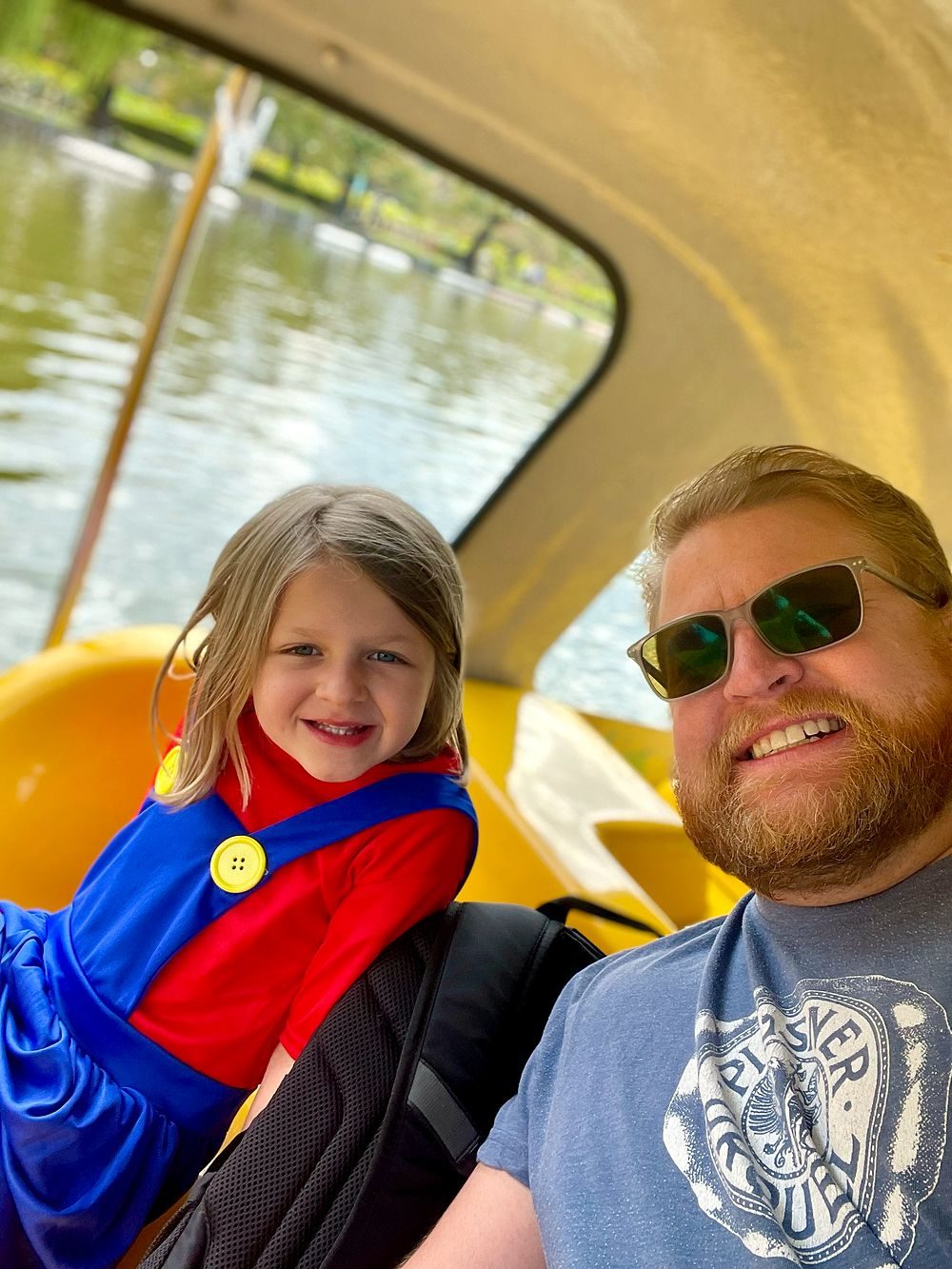
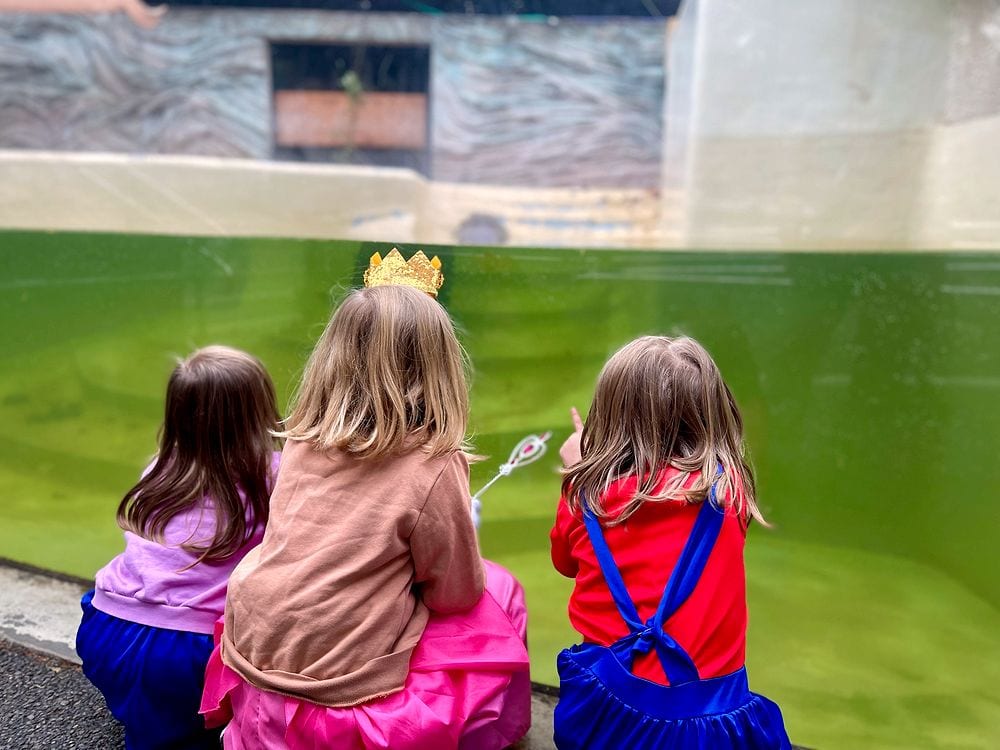
We’ve already broken down the real admission numbers for this day, Ueno Zoo’s 600 yen adult ticket and Shinobazu Pond’s swan boats at 700 yen for 30 minutes, so we won’t re-run that math here. What’s worth adding is the part the pricing post didn’t dwell on: three kids spent a full afternoon in character costumes, through a wobbly paddle boat crossing and a walk past flamingos and meerkats, and none of it slowed anyone down or needed a costume change partway through. Peach’s scepter survived the boat. Mario’s cap stayed on through the zoo’s East Garden crowds. That’s not nothing with three kids under 10, a costume that becomes a liability by hour two isn’t worth whatever it cost, and these held up for the whole day.
The paid version of the same holiday
Our costumed afternoon in Ueno cost a park ticket and a boat rental, both already modest. The other real option for a Halloween day in Tokyo is Tokyo Disney Resort, which runs its own Halloween season every year from mid-September through October 31, a villains’ parade, Halloween fireworks, and seasonal decorations and menu items throughout both parks. Unlike many Disney parks elsewhere, there’s no separate ticket for the Halloween event itself, regular park admission covers it, so the only real added cost is Tokyo Disney’s variable pricing pushing adult admission as high as 12,400 yen on the season’s most in-demand dates, and an optional 3,500 yen Premier Access fee if you want reserved seating for the villains’ parade rather than standing in the regular crowd. It’s the same costumed holiday either way, a villains’ parade and seasonal decorations instead of a zoo and a pond, but a single adult’s Disney admission on a peak October date alone runs well past everything our whole afternoon in Ueno cost, costumes, zoo tickets, and boat rental combined.
Was it worth it
Completely, and for a different reason than a Western trick-or-treat haul would give you. The real value wasn’t candy, it was three costumes that turned an already-good day at the zoo and on the water into something the girls still bring up months later, without needing a single stranger’s doorbell. If you’re bringing kids to Japan anywhere near October 31, skip planning around trick-or-treating, it isn’t the local custom, and instead budget a few thousand yen at a Donki for costumes that’ll survive a full day of regular sightseeing rather than one night of door-to-door walking. The zoo and the boats were worth their own 600 and 700 yen on a normal day; in costume, they were worth quite a bit more than that.