Traveling to Japan in Rainy Season? Here's What a Real Evacuation Alert Looks Like
A week of rain in Fukuoka in July 2023 ended in a real hotel evacuation during a genuine regional emergency. What Japan's alert levels mean for travelers, and what to do.
Published on 2 min read

On this page
A week of steady rain in Fukuoka in early July 2023 ended with our hotel evacuating us, a real precaution during a genuine regional emergency, not a drill and not a story we’re telling for drama. The timing lines up with a documented event: a record-setting rain emergency across northern Kyushu around July 10, 2023, serious enough that Japan’s Meteorological Agency called it some of the heaviest rain the region had ever recorded, and real harm happened nearby, including a landslide in Kurume. We’re not going to dramatize our own evacuation past what it was, a hotel acting on real local guidance, but it’s worth knowing what that system looks like if you’re traveling here during rainy season.
Japan’s alert levels, plainly
Japan runs a five-level evacuation alert system. Levels 1 and 2 are early-preparation stages, mentally noting the risk and checking your evacuation route. Level 3 is when elderly or otherwise vulnerable people are advised to start evacuating. Level 4, an evacuation instruction, means leave any dangerous area immediately, not wait and see. Level 5 means a disaster is already happening or about to. The real, official guidance for anyone in Japan, visitor or resident, is not to wait for Level 5 before moving, local governments can lose the ability to issue it once a disaster has started, so Level 4 is the real line to act on.
What to do if it happens to you
Hotels, ryokans, and tour operators in Japan take these alerts seriously, and if staff tell you to evacuate, that instruction is coming from the same official system, not an overcautious call on their own. Keep a phone charged and connected (our own eSIM setup covered us fine through this), watch local TV, the internet, or official alerts rather than assuming a language barrier means you’ll be the last to know, and if nothing else is clear, follow what the people around you are doing. Evacuation in a country you don’t live in is disorienting by nature, less because of the instructions themselves and more because everything is unfamiliar at the exact moment you need to move fast.
Why this is worth knowing, not just worth telling
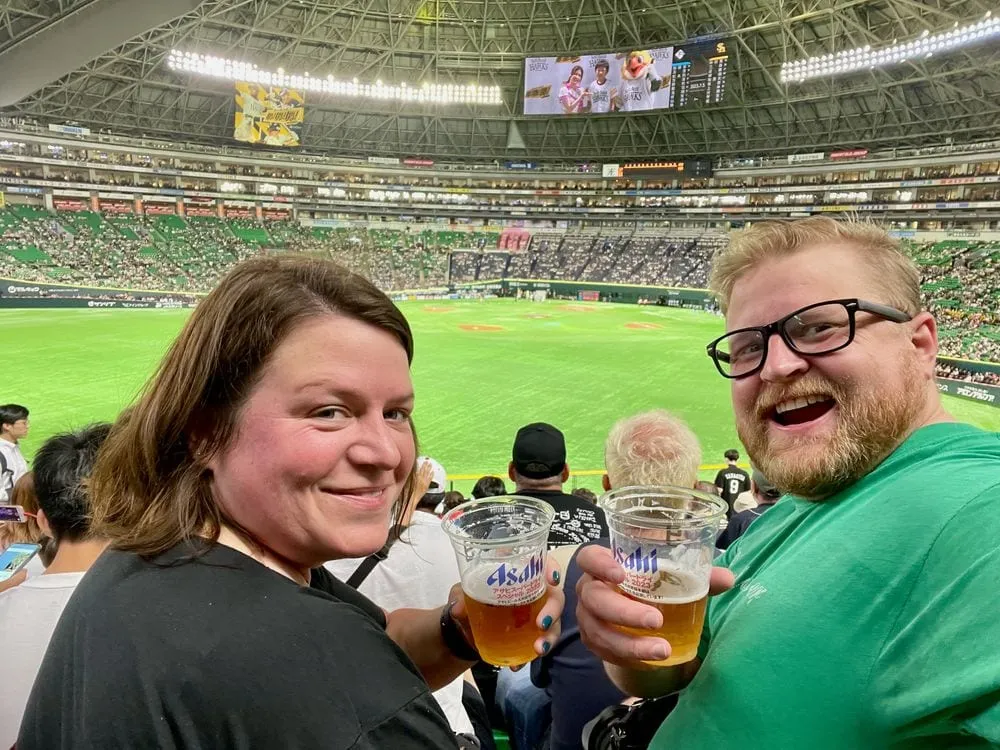
We came through that week fine, and the point of writing it up isn’t our own story, it’s that a genuine, serious weather emergency can happen during an otherwise ordinary Japan trip, and knowing the real alert levels ahead of time beats learning them while a hotel is telling you to leave. Rainy season runs roughly June through July across most of Japan, worth building a little slack into any trip through that window, not out of fear, just the same practical margin you’d build in anywhere else serious weather is a real seasonal possibility. The same stretch of weather delayed the Hawks game we’d come to Fukuoka for in the first place, and we’ve written up what finally got us into the stadium two days later once the rain cleared.