Nikko With Young Kids: What a Day Trip From Tokyo Involves
Nikko's UNESCO shrines are a bookable day trip from Tokyo, current train and tour pricing, but it's also one of the longest days we've looked at. Here's the honest logistics.
Published on 6 min read
On this page
We haven’t done this one yet. Nikko keeps coming up when we research Tokyo day trips, UNESCO shrines, a famous waterfall, a mountain lake, and it keeps getting set aside for the same reason every time: it’s one of the longest day trips on offer from Tokyo, and with three kids under 10, “longest” isn’t a small detail. Here’s what we found researching it honestly, real prices both ways, and the real time and physical commitment that doesn’t always make it into the glossy tour listing.
What’s in Nikko
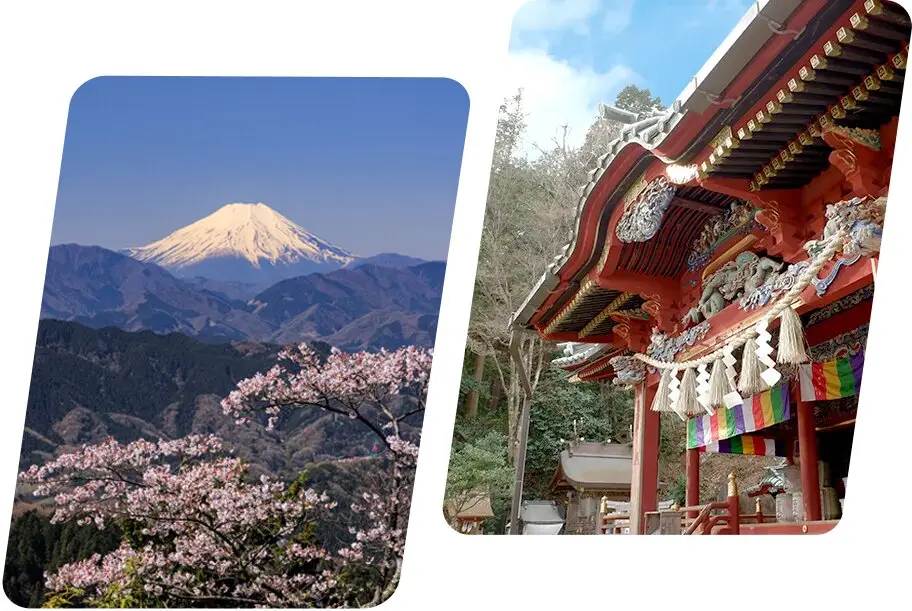
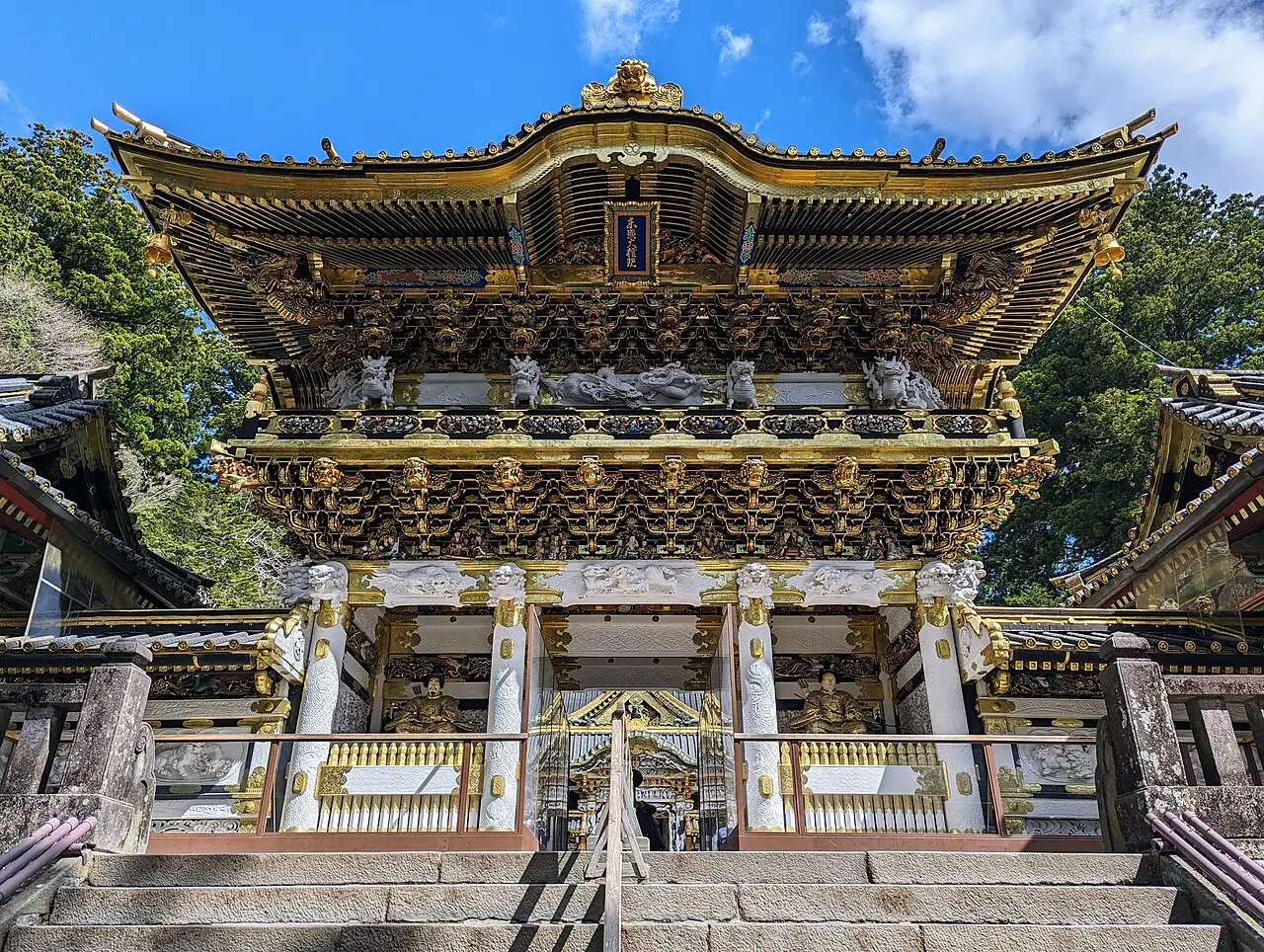
Toshogu Shrine is the real draw, the UNESCO World Heritage mausoleum of Tokugawa Ieyasu, famous for the ornately carved and gilded Yomeimon Gate and the original “see no evil, hear no evil, speak no evil” monkey carving. Adult admission runs 1,600 yen (roughly $11) per most current sources, 550 yen for elementary and junior high students, cash only at the gate per several guides. On the walk in, Shinkyo Bridge, the vermillion sacred bridge at the shrine complex’s entrance, charges 300 yen (about $2) to walk across it, though seeing it from the adjacent road bridge costs nothing. Past the shrine, Lake Chuzenji and Kegon Falls, a roughly 100-meter waterfall, sit further up the mountain and are the usual second half of a full Nikko day, reachable by local bus rather than on foot. The falls’ upper viewing deck is free; the elevator down to the closer lower-deck view runs 600 yen (about $4) for an adult round trip, 400 yen for a child.

Getting there without a tour
Tobu Railway runs direct from Asakusa to Tobu-Nikko, and the real logistics split into two honest options. A limited express reserved-seat train runs roughly 2,780 to 3,340 yen one way depending on the train (about $19 to $22), call it 5,500 to 6,700 yen round trip ($37 to $45). Or Tobu’s NIKKO PASS World Heritage Area, 3,000 yen for an adult and 1,500 yen for a child (about $20 and $10), covers a round trip on the regular (non-limited-express) line between Asakusa and the Nikko area plus the local buses you need once you’re there, valid two days. The pass doesn’t cover the limited express surcharge or any shrine and temple admission, those are separate either way. Add Toshogu’s 1,600 yen adult admission on top of the pass, and one adult covers transit plus the shrine for roughly 4,600 yen, about $31, before food or the waterfall-and-lake half of the day.
What a family of five would be looking at
Run the DIY numbers for two adults and three kids old enough for the student rate: two World Heritage passes (3,000 yen each) and three child passes (1,500 yen each) comes to 10,500 yen in transit alone, about $70. Add two adult Toshogu tickets (1,600 yen each) and three child tickets (550 yen each) and the shrine adds another 4,850 yen, roughly $32. Before Shinkyo Bridge, the Kegon Falls elevator, food, or anything else, transit plus the one shrine already totals around 15,350 yen, close to $102, for five people. A guided tour bundling the same stops runs 52 to 90-plus dollars per adult, so the real gap between booking a tour and doing it independently is smaller for a family this size than the headline per-person tour price suggests, especially once the DIY route’s extra bus fares to the lake get added on top.
Or booking it as a real guided tour
Both Klook and Viator carry real bus-tour options that bundle transport, a guide, and a packed stop list: Shinkyo Bridge, Toshogu Shrine, Kegon Falls, and Lake Chuzenji in one day, no separate ticket-buying or figuring out local bus routes once you’re there. Pricing runs widely depending on the exact tour, we found real listings from roughly $52 up past $90 per adult, and most run 10 to 12 hours door to door from central Tokyo.
Klook code: ADAMANDLINDSKLOOK
Click through to Klook below, then enter code ADAMANDLINDSKLOOK at checkout. This is a real affiliate code, we may earn a commission on the booking too, at no extra cost to you. See how affiliate links work here.
10% off, New Klook user
$50 minimum spend, capped at $50 off, one time use. Valid through December 31, 2026.
3% off, Existing Klook user
$50 minimum spend, capped at $50 off, up to three uses. Valid through December 31, 2026.
1% off, Selected things to do and mobility, including teamLab Planets TOKYO, teamLab Borderless, teamLab Biovortex Kyoto, Japan Shinkansen tickets, SHIBUYA SKY, Warner Bros. Studio Tour Tokyo, and Osaka Amazing Pass
No stated minimum spend for this tier. Valid through December 31, 2026.
50% off, eSIM, new eSIM customers only
No minimum spend, capped at $1.50 saved, one time use. Valid through December 31, 2026.
That specific tour isn’t on the code’s named 1% “selected things to do” list, so that particular discount doesn’t apply here, but the standard 10% new-user or 3% existing-user tiers still do once a Klook cart clears $50, an easy bar on a tour already priced well past that.
A kid-friendlier alternative that costs more
Some of the bundled tours swap the waterfall-and-lake half of the day for Edo Wonderland Nikko Edomura, a recreated Edo-period village with ninja shows, a training hall, and a maze instead of a mountain road and steps. Gate admission alone runs about 5,800 yen for an adult, roughly $39, and 3,000 yen for a child aged 6 to 12, more expensive than the shrine-plus-falls combo on paper, but it trades hiking and standing for shows and activities, a real tradeoff for a family whose kids do better with performances than with a long uphill walk. Costume rental and a few hands-on activities like woodblock printing cost extra on top of the gate price, worth knowing before assuming the ticket covers everything.
The part that matters most with young kids
Here’s the honest logistics the listings don’t lead with: a guided bus tour covering Toshogu, Kegon Falls, and Lake Chuzenji runs 10 to 12 hours total, and the DIY train route isn’t meaningfully shorter once the shrine visit and the bus up to the lake get added in. Tobu’s ticket page warns that autumn traffic can cause major bus delays to Lake Chuzenji, with no refund for congestion, a real risk of an already long day running longer. Toshogu Shrine itself involves real steps and hilly paths, called out specifically in more than one tour’s listing, not a flat, stroller-friendly walk. For three kids under 10, that’s a full day of transit, standing, and uneven ground, not a relaxed afternoon.
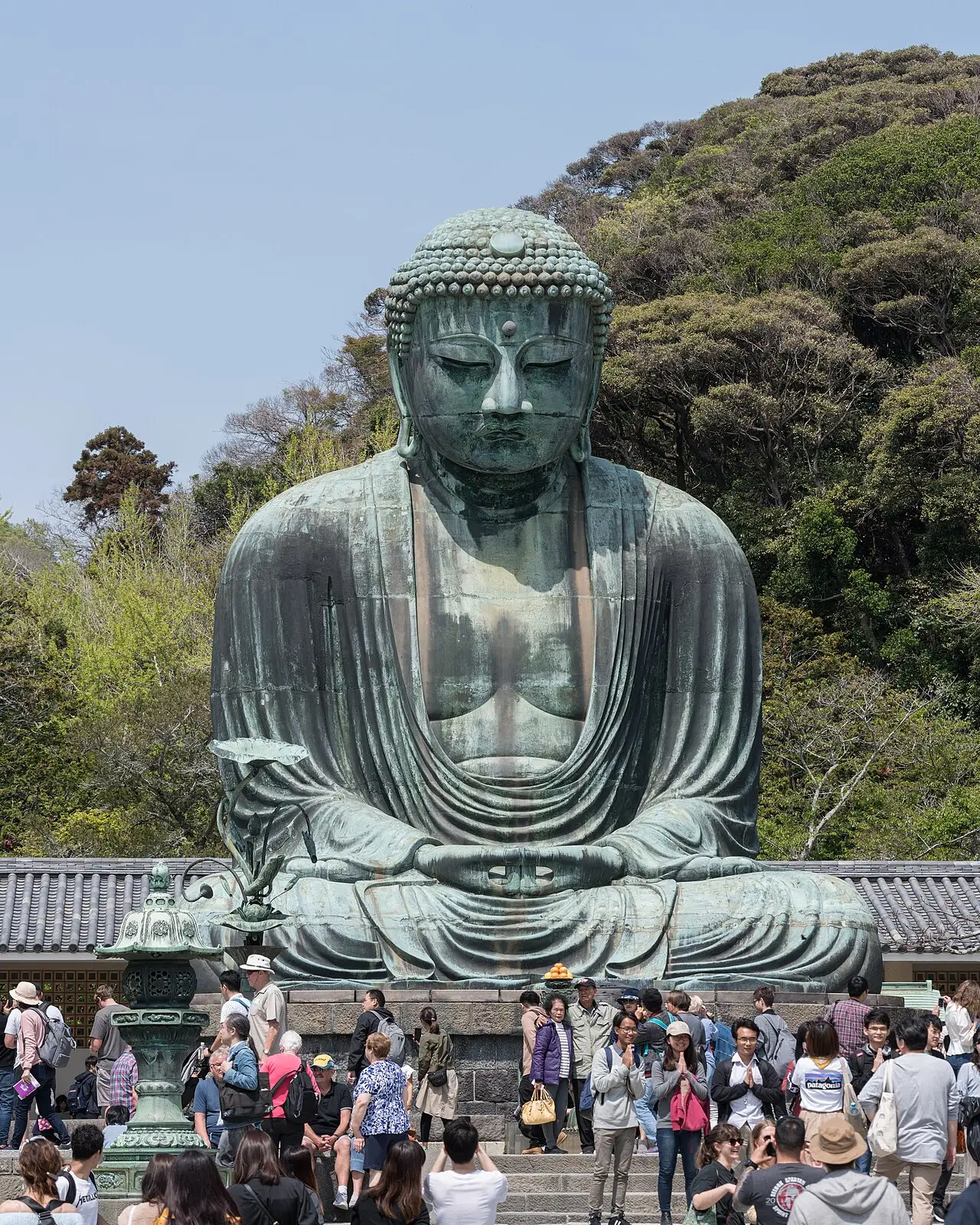
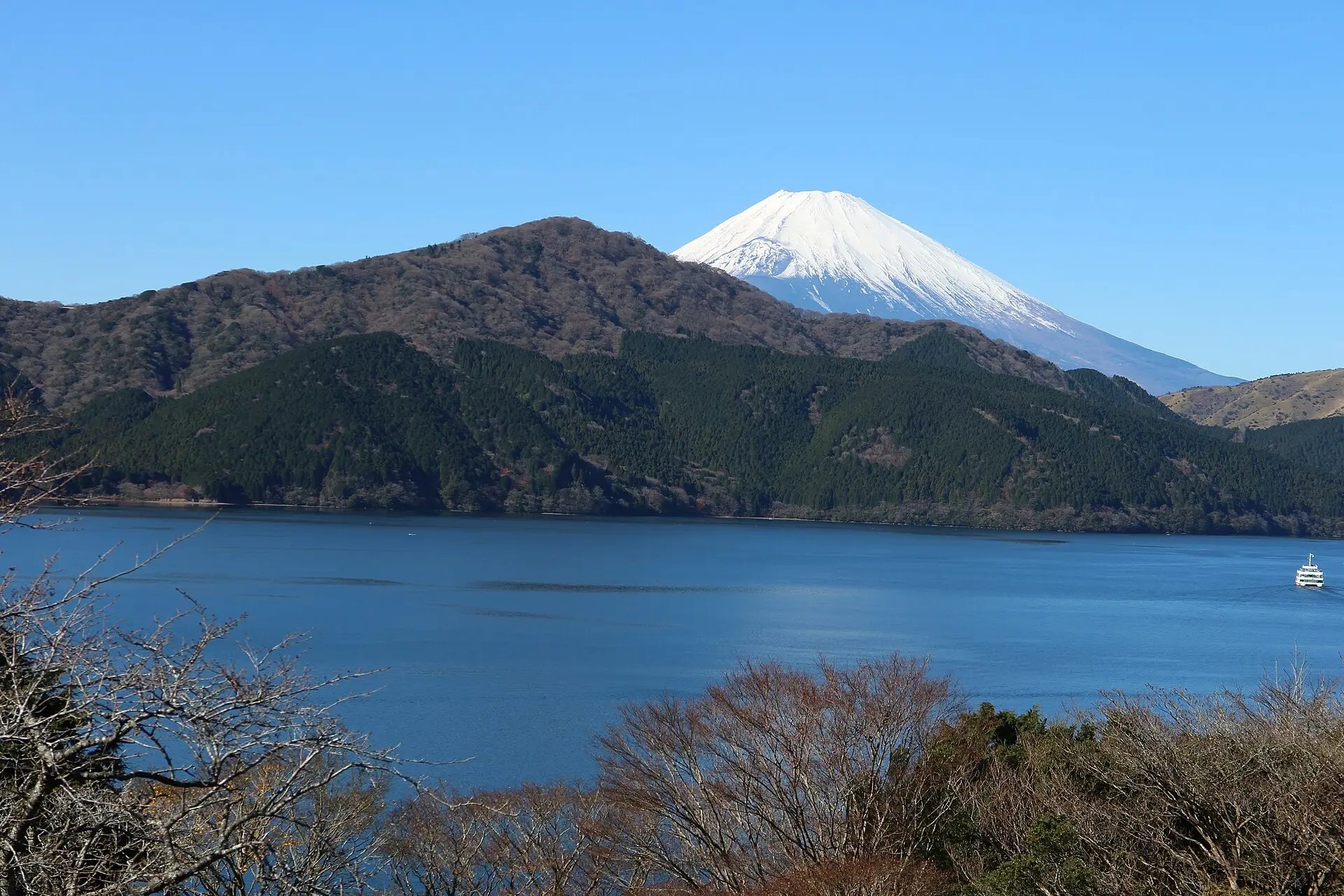
Compare that against the two day trips we’ve already covered from real research: Kamakura is roughly an hour each way from central Tokyo with a single, flat, open-air main attraction, and Hakone’s pass system is built around hopping between short rides, a train, a ropeway, a boat, rather than one long shrine-and-waterfall itinerary. Neither asks for a 10-hour day or a mountain road with real steps built in.
What we’d weigh before booking
If a guided tour’s pace is flexible and a long day with built-in stops doesn’t scare off a particular kid, Nikko is a genuine, bookable day trip with a real UNESCO site at the center of it, not a tourist trap dressed up as one. If naps, patience for steps, or a hard stop on how long a day can run are real constraints right now, a shorter, flatter day trip earns its keep more easily, and Nikko is the kind of place that’s still there once everyone’s a little older and steadier on uneven ground.
Where this fits for us
We’re not claiming to have done this one, Nikko hasn’t made it onto a real trip yet, and this is researched honestly rather than written as if it has. What tipped it toward worth covering regardless: it’s a real, frequently recommended Tokyo day trip with genuine UNESCO status behind it, and the honest logistics, the length, the steps, the bus-delay risk, are exactly the kind of real detail that gets left out of a tour listing’s highlight reel. If a trip ever lines up, this post gets replaced with real photos and an honest account of how three kids handled the day, not a price list and a warning label.
Photo credits: Jpatokal, CC BY-SA 4.0, via Wikimedia Commons.