Six Minutes in a Cable Car, Then Monkeys, Tengu, and a 744 Temple
Mount Takao, 50 minutes from Shinjuku by train: a six-minute cable car ride replaces an hour of climbing, and the top holds a monkey park, a temple founded in 744, and a Michelin three-star rating since 2007. The combo-ticket price, straight from Keio's fare table.
Published on 6 min read
On this page
The Keio Line pulls out of Shinjuku and, about 50 minutes later, lets you off at a station most tourists have never heard of: Takaosanguchi, not Takao Station one stop earlier, an easy mix-up that costs about three extra minutes to fix if it happens. From there it’s a five-minute walk to the base of a cable car that climbs through dense cedar forest in six minutes flat, the same vertical distance that takes about an hour to cover on foot. At the top: a monkey park, a Buddhist temple founded in the year 744, and a mountain that’s held a three-star rating from the Michelin Green Guide since 2007, something most of the crowd riding up with you probably doesn’t know either.
What the cable car replaces
Mount Takao tops out at 599 meters, not a serious climb by any measure, but the cable car (or the parallel chairlift, same price, slightly shorter hours) turns a roughly hour-long hike into a six-minute ride through the trees. Neither one is required: paved Trail 1 runs the same route on foot for anyone who’d rather walk it, no ticket needed, just time and legs. The cable car exists for everyone else, which on a weekend is most people.
The actual ticket, from Keio’s fare table
Keio runs both the train line out from Shinjuku and the cable car itself, and sells a combined ticket that’s cheaper than paying for each separately: the regular train fare drops 20%, and the cable car or lift fare drops 20 to 24% depending on the exact combination, all on one ticket.
| From Shinjuku | Adult | Child |
|---|---|---|
| Round trip (train + cable car, both ways) | 1,450 yen | 740 yen |
| One way (train round trip + cable car one way) | 1,090 yen | 560 yen |
Those figures come straight from Keio’s current fare table (dated October 2025), sold at ticket machines at any Keio or Inokashira line station except Takaosanguchi itself, and not available for a few days around New Year’s. Fares from stations other than Shinjuku run slightly lower depending on distance, Keio’s table lists every stop along the line if the trip starts somewhere other than Shinjuku.
What’s at the top
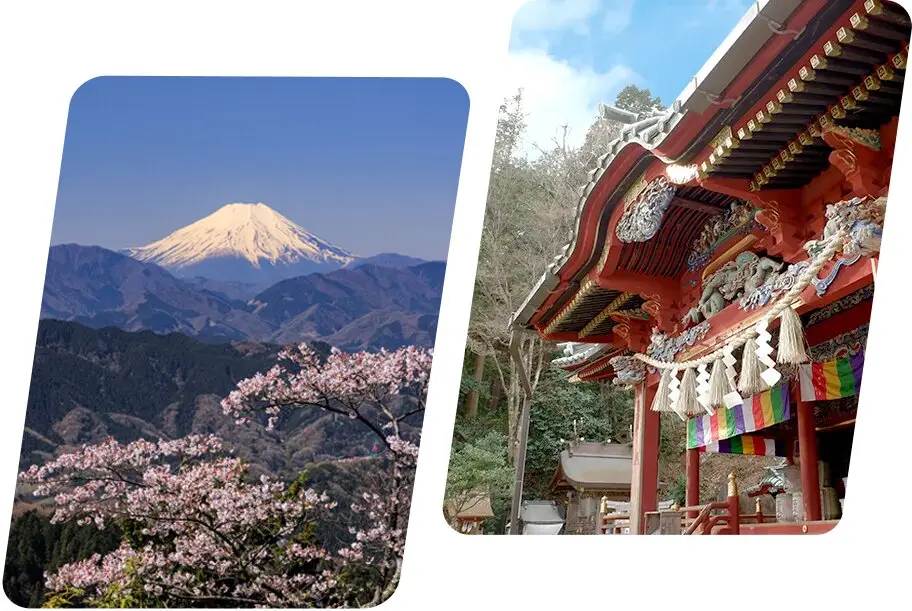
The monkey park and wild plant garden share one entrance fee, commonly cited around 400 yen though worth confirming on the day since that figure is a few years old in most sources, and hold somewhere between 70 and 90 Japanese macaques depending on the season, visible in an enclosure rather than roaming free through the forest. About ten minutes past the monkey park on foot sits Yakuoin Temple, founded in 744, guarded by two tengu statues, one with the long pointed nose most people picture, the other with a crow-like beak, a less common version of the figure worth a second look rather than walking past it for the more famous one.
If you skip the cable car entirely
Trail 1, the paved route the cable car and chairlift both parallel, is the easiest of the mountain’s marked trails and the one most people default to, free, well-maintained, and roughly an hour on foot to the summit area. Beyond it the mountain splits into several more trails, sources differ on the exact count, somewhere between six and nine depending on which nature-observation routes and side courses get counted, ranging from easy loops to the Inariyama Course, generally cited as the toughest on the mountain though a couple of sources rank it below Trail 6 instead, worth checking a current trail map rather than picking blind if a harder route is the goal.
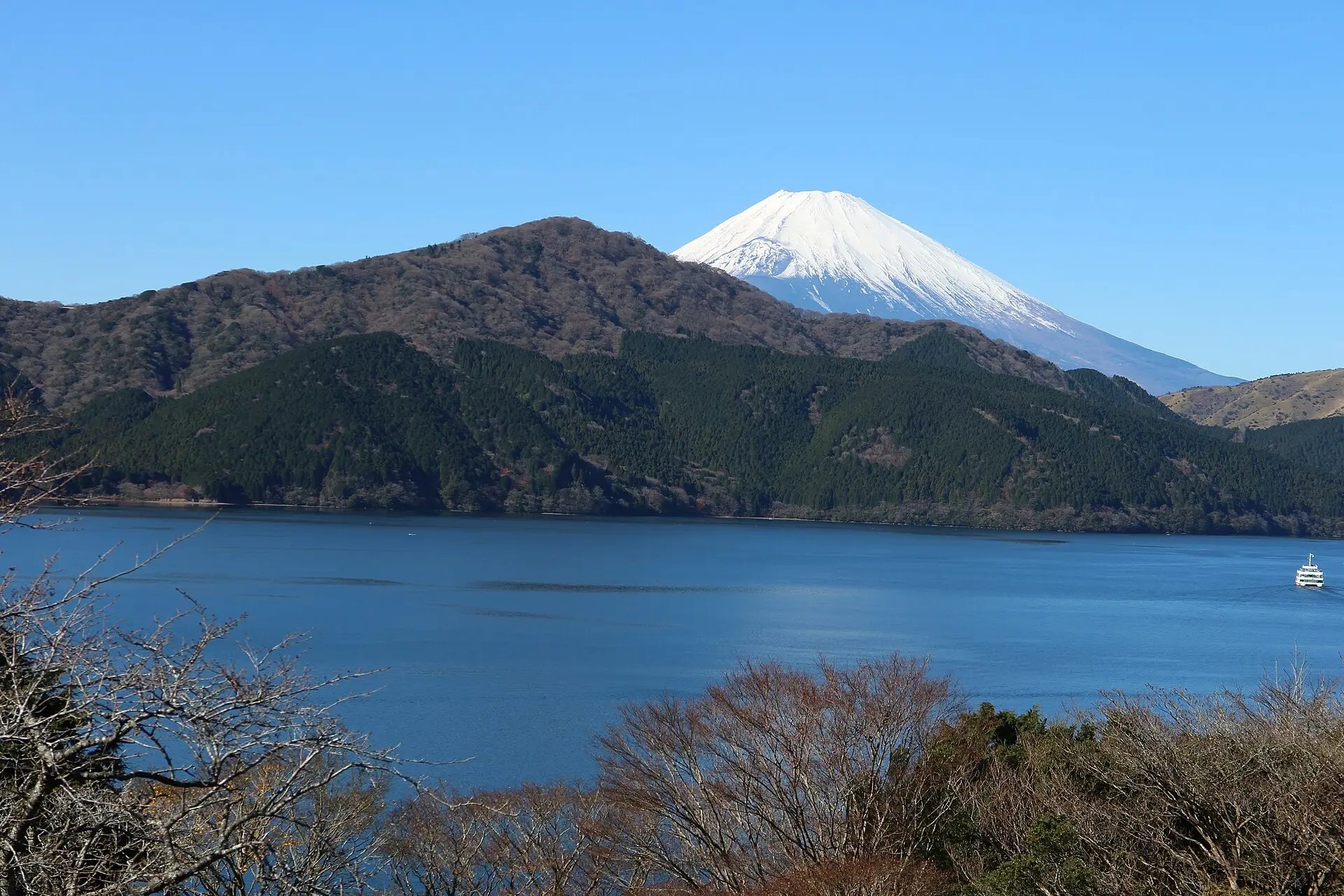
On a clear day, usually in winter, Mount Fuji is visible from the summit area, not guaranteed, plenty of visitors report haze blocking it entirely. Around the winter solstice in late December, the timing lines up for what’s locally called Diamond Fuji, the sun setting directly behind Fuji’s peak as seen from Takao, a specific, date-dependent alignment rather than something you can plan for on just any clear evening.
The three-star mountain most visitors don’t notice
Mount Takao picked up a three-star rating, Michelin’s highest, from the Michelin Green Guide Japan in 2007, the same tier the guide gives destinations it considers worth a special trip, not just a worthwhile stop along the way. Visitor numbers reportedly jumped from around 2 million a year before that rating to closer to 3 million after it, and the mountain gets described in a lot of guides as the most-climbed in the world, though that specific claim traces back to repeated reporting rather than any official count, worth treating as a widely repeated line rather than a verified statistic.
A guided option, if the independent version sounds like too much planning
For anyone who’d rather not sort out stations, trail choices, and temple etiquette alone, a full-day guided hike with a licensed guide runs around 18,000 yen per person, rated 4.9 stars across roughly 48 reviews, with free cancellation up to 24 hours ahead. That tier includes a one-way cable car or lift ticket, food and drinks, hotel pickup and drop-off, and in one version, a stop at a hot spring afterward, the whole day handled rather than pieced together.
See the full-day guided hike on ViatorRight now happens to be a good time
Mount Takao’s autumn leaves typically peak somewhere between mid-November and early December, which puts a visit any time in the next couple of weeks inside that window rather than ahead of it or past it. Momiji-dai, a dedicated maple-viewing platform about ten minutes short of the summit, is the spot most guides point to specifically, and the mountain runs an Autumn Leaves Festival through mid-December most years. None of that changes the combo-ticket math above, but it’s worth knowing the calendar lines up before picking a different Saturday instead.
Was it worth planning around
For a day trip this close to central Tokyo, yes. The combo ticket keeps the cost modest even with the convenience of skipping the climb, the temple and monkey park give the top of the mountain something to do beyond the view, and the Michelin rating isn’t marketing dressing, it’s the same tier given to places the guide considers worth planning a trip around specifically. Skip the cable car and hike instead for a free version of the same day, or add the guided tour if the planning itself is the part you’d rather not deal with. Either way, confirm the exact fares on Keio’s site before you go, since the ones here are already a year old and fares move.