Suica vs Pasmo vs ICOCA: Does It Actually Matter Which One You Get?
Ten different regional IC cards work interchangeably on trains and buses across Japan. What actually differs between them, and what to get depending on how long you're staying.

Published on 3 min read

On this page
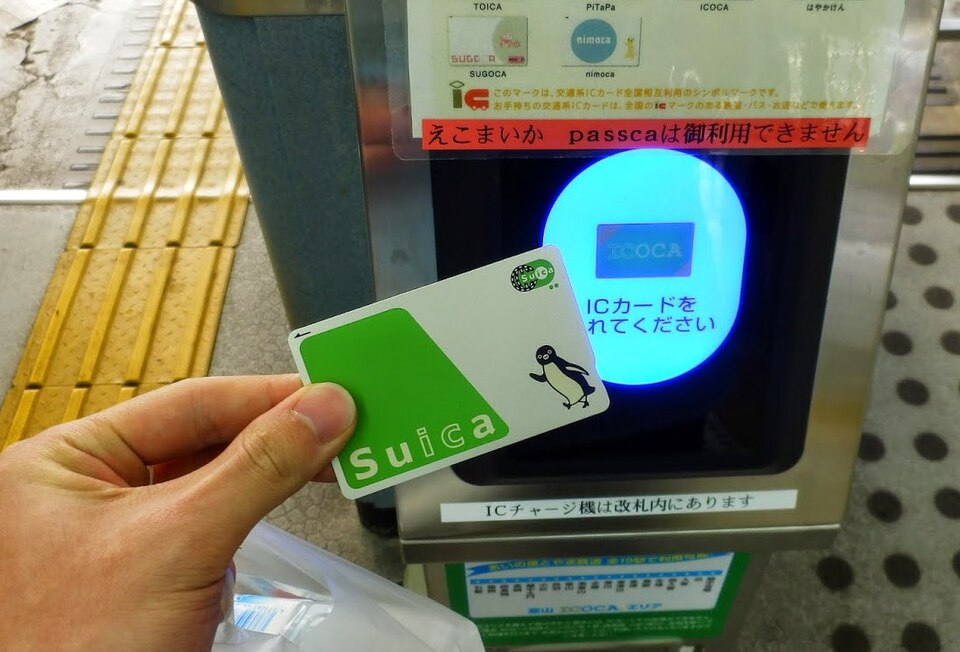
Short answer: no, not really. Japan has ten different regional transit IC cards, Suica and Pasmo in Tokyo, ICOCA in Osaka and Kansai where we spend most of our time, plus seven others around the country, and they’ve all worked interchangeably on each other’s trains, subways, and buses since 2013. Tap in with a Suica in Osaka, tap in with an ICOCA in Tokyo, it makes no difference. The card you end up with mostly comes down to whichever city you land in first.
What actually differs
- Regular card: 500 yen deposit, refunded when you return the card before you leave Japan. No expiration to worry about.
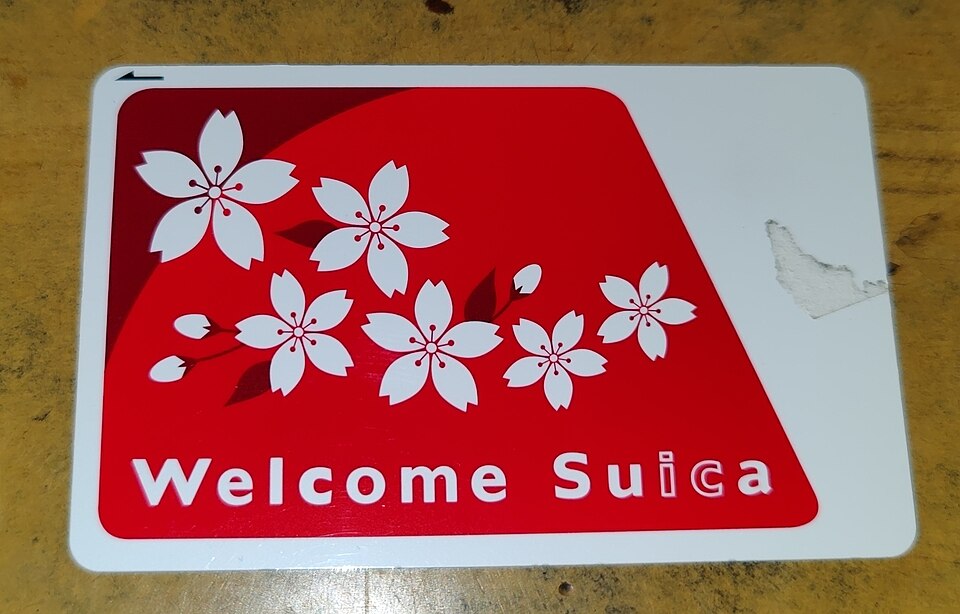
- Welcome Suica or Tourist Pasmo: no deposit, but only valid for about 28 days, built for a short visit rather than something to hang onto.
- Mobile version (Apple Pay or Google Wallet): no physical card at all, add it to your phone and tap that instead. Skips the counter entirely, and it’s the one we actually use day to day.
None of these change what the card does once you’re through the gate. The only real decision is whether you want a physical card to keep as a souvenir (or reuse on a future trip) or whether you’d rather not deal with a piece of plastic at all.


Why it beats buying paper tickets
Individual train tickets in Japan are priced by exact distance, which means figuring out the fare to your stop on a wall map before you can even buy the ticket. An IC card skips that entirely: tap in, tap out, the correct fare gets deducted automatically, and if you somehow tap in without enough balance, most stations have a fare adjustment machine at the exit rather than turning you away. For a family moving through three or four stations a day, that adds up to a real amount of time not spent squinting at a fare chart.
The fare itself is usually the same as a paper ticket, occasionally a yen or two cheaper on JR lines. The savings isn’t really in the price, it’s in never having to plan the fare in advance.

What we’d actually tell you to do
If your phone supports Apple Pay or Google Wallet, add a mobile Suica before you land and skip the physical card entirely, it’s what we use. If not, the physical card shortage that made regular Suica and Pasmo hard to find in 2023 and 2024 is over, regular sales resumed in March 2025 and stock has been normal since. Grab whichever one your arrival station sells, a Welcome Suica if you’re only in Japan a few weeks, a regular card with the deposit if you think you’ll come back. Either way, stop worrying about which brand of card is “better,” they all do the same thing everywhere in the country.