Ameyoko's Name Has Two Real Origin Stories, Not One
Ueno's famous Ameyoko market is usually explained as 'America Alley.' The real history is more disputed than that, plus what a seafood bowl costs there today.

Published on 3 min read
On this page
Most write-ups of Ameyoko, the 400 meter market strip running between Ueno and Okachimachi stations, give you the same tidy origin story: the name is short for “America Yokocho,” America Alley, because stalls here sold surplus US army goods after World War II. It’s a good story. It’s also only half of what historians point to.
The other half of the name
The more commonly cited origin traces Ameyoko to ameya, candy shop, from the roughly 200 stalls that sold sweets here in the years right after the war, when sugar was scarce and candy was valuable enough to build a market around. Both theories come from the same real moment, Ameyoko’s black-market origins in the ruins of postwar Tokyo, where candy stalls and American surplus goods were both sold side by side on the same strip. Which word gave the street its name is still disputed among historians, there isn’t a settled answer, which makes the common one-line “America Alley” explanation a simplification rather than the full picture.
What a seafood bowl costs there today
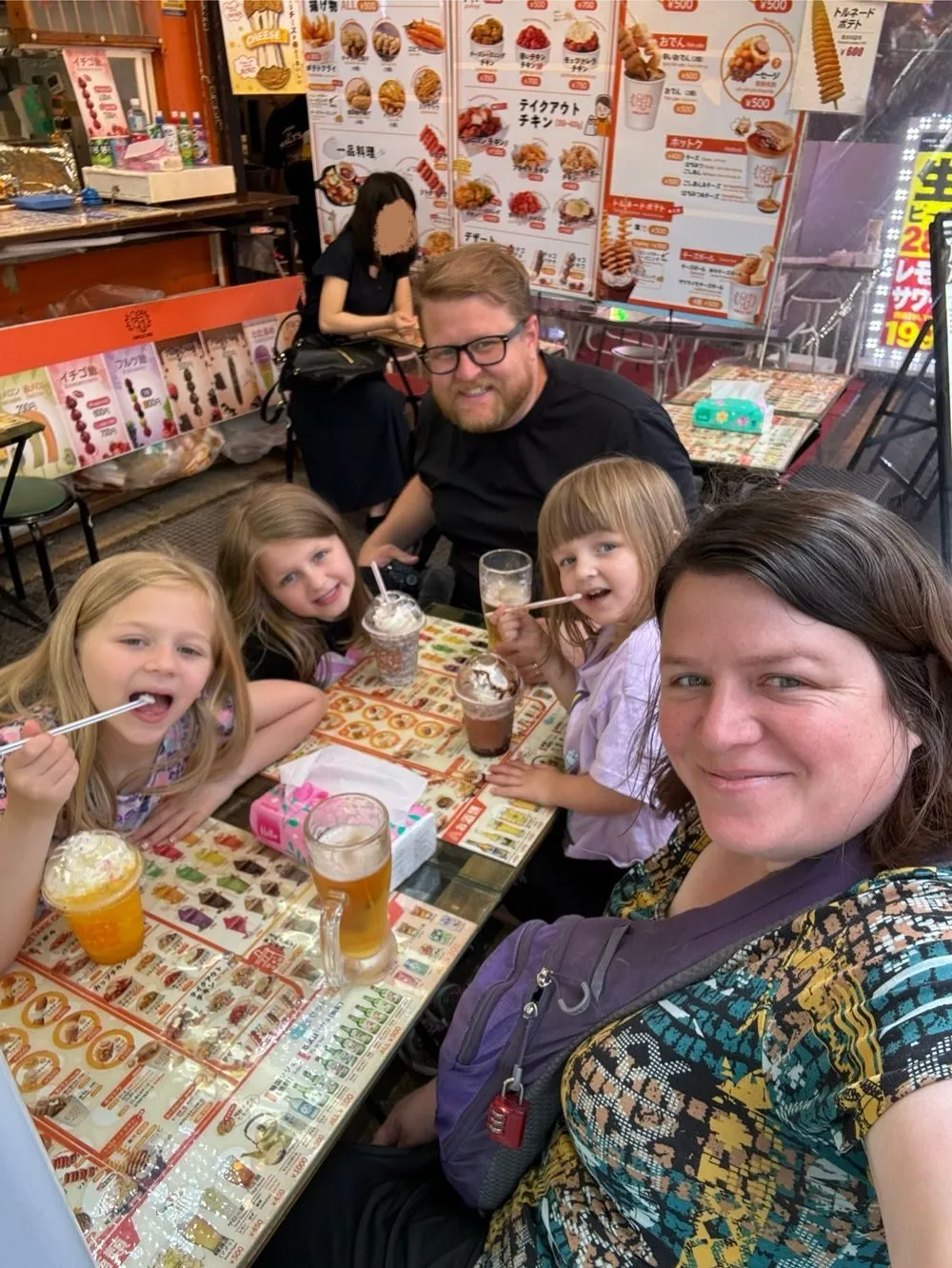
Whatever the name’s real origin, the market’s current draw is food, specifically kaisendon, seafood rice bowls, sold cheap and fast along the strip. Minatoya, one of Ameyoko’s best known stalls, runs seven different kaisendon options at 500 yen each, a single coin, including fatty salmon and tuna bowls. Its signature Tokumori-don, piled with tuna, salmon, negitoro, squid, and salmon roe, runs 750 yen full size or 450 yen for a half portion. Across the market generally, sashimi rice bowls run 600 to 1,000 yen, with some uni and ikura bowls still landing under 1,000 yen despite using ingredients that would cost far more at a sit-down restaurant. For anyone wanting to go further, nearby Yoshiike Shokudo sells a kaisen-don piled with more than 10 kinds of seafood for 2,700 yen, the upscale end of the same category.
More than just food
The food stalls are only part of the market. Ameyoko’s roughly 400 stalls also deal in discount cosmetics, clothing, bags, and dried goods, a real holdover from its black-market roots even after the goods on sale changed. It runs directly alongside the elevated JR tracks between Ueno and Okachimachi stations, so you’re never more than a few minutes from either platform, making it an easy add-on to a day that already includes Ueno Park or the zoo rather than a destination that needs its own separate trip. Crowds build through the afternoon and peak on weekends, an early visit is the easier one if a packed narrow street with a stroller or small kids isn’t the goal.
Was it worth it
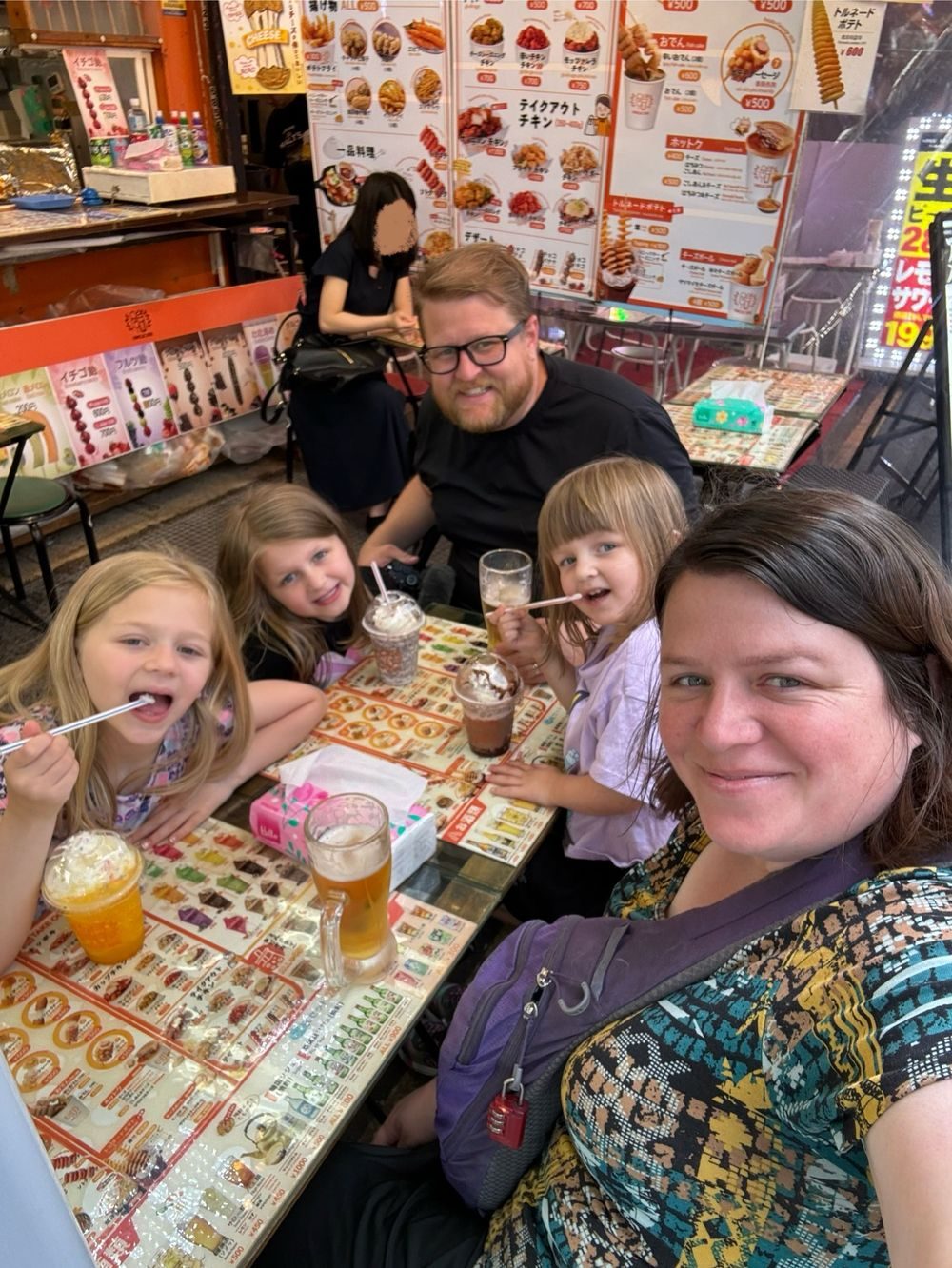
We don’t have a receipt from our own stop at the counter, so we won’t invent an exact total, but the real published prices make the pattern clear on their own: a genuine seafood lunch in one of Tokyo’s most famous food markets starts at a single 500 yen coin, not a splurge by any measure. Ameyoko earns its reputation on the food alone, the disputed name is just the extra story worth knowing before you go, so you’re not repeating the simplified version as settled fact. The next time a guide or a sign tells you with total confidence where a Japanese place name comes from, it’s worth treating that as a starting point rather than the final word, the same way we should have the first time we walked past this particular strip of counters, menus in hand, not yet knowing there were two different stories behind the name over our heads.