A Cheap Family Restaurant Lunch vs Our $300 Teppanyaki Splurge
Two real Osaka meals, same trip: a family restaurant chain lunch under 800 yen a head, and the $300 teppanyaki dinner on the other end of the scale.

Published on 5 min read
On this page
Two real meals from the same extended Osaka stay, at opposite ends of what a family dinner in Japan can cost. One was a weekday lunch at a casual chain restaurant that came in under 800 yen a person. The other was the teppanyaki splurge we’ve already written up in full, a single dinner that ran us over $300. Neither number is the “normal” one, they’re the two edges of the range, and seeing them side by side says more than either post does alone.
The cheap side: under 800 yen a head
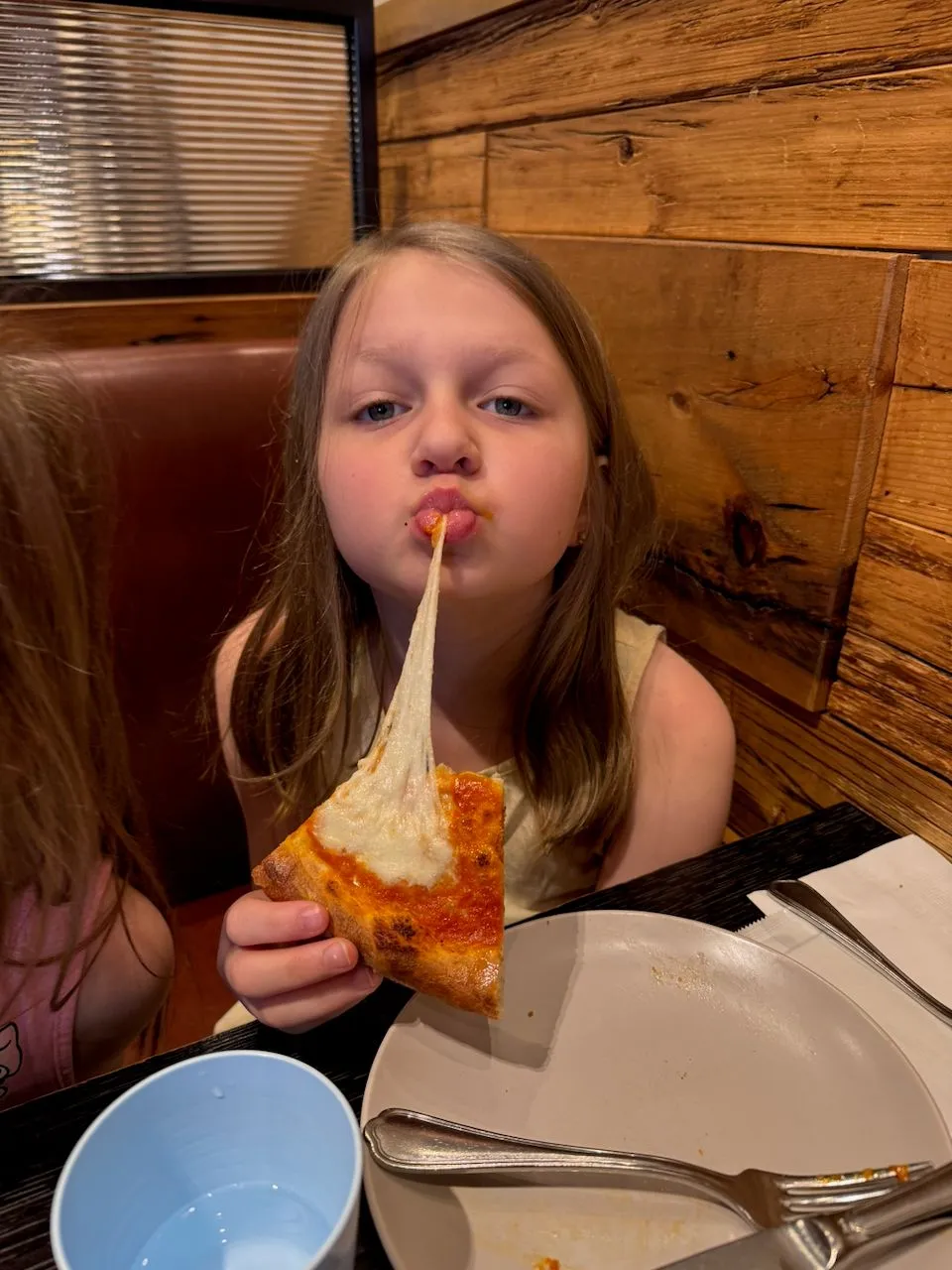
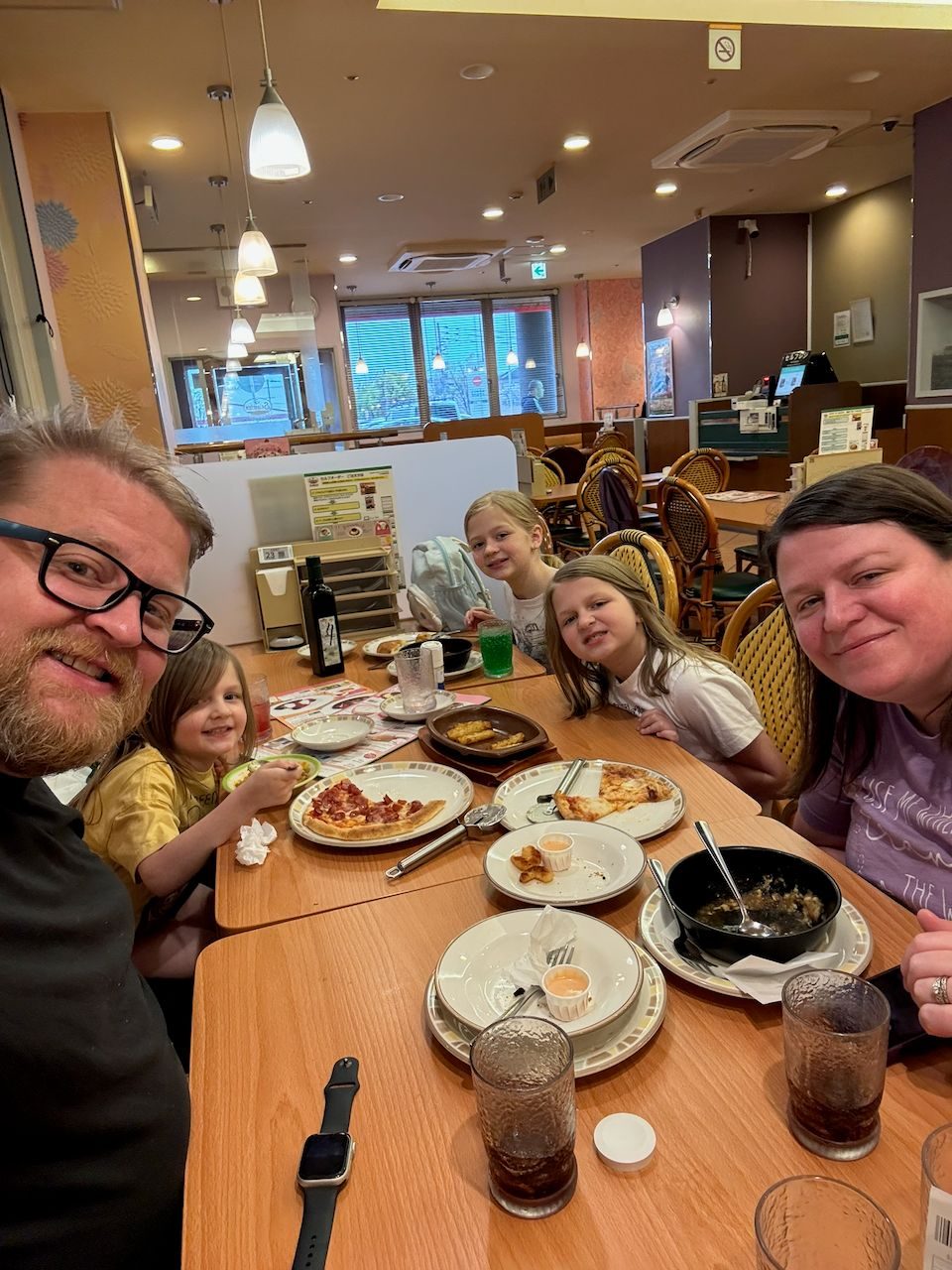
We stopped for lunch at a casual, family-style Italian chain restaurant in Osaka, the kind with booth seating, laminated picture menus, and a kids’ menu that shows up in nearly every shopping complex in the country. We didn’t catch the exact chain name off the receipt, but the profile, thin-crust pizza, pasta, a glass of house wine, all served fast and cheap, matches Japan’s most famous budget restaurant category almost exactly.
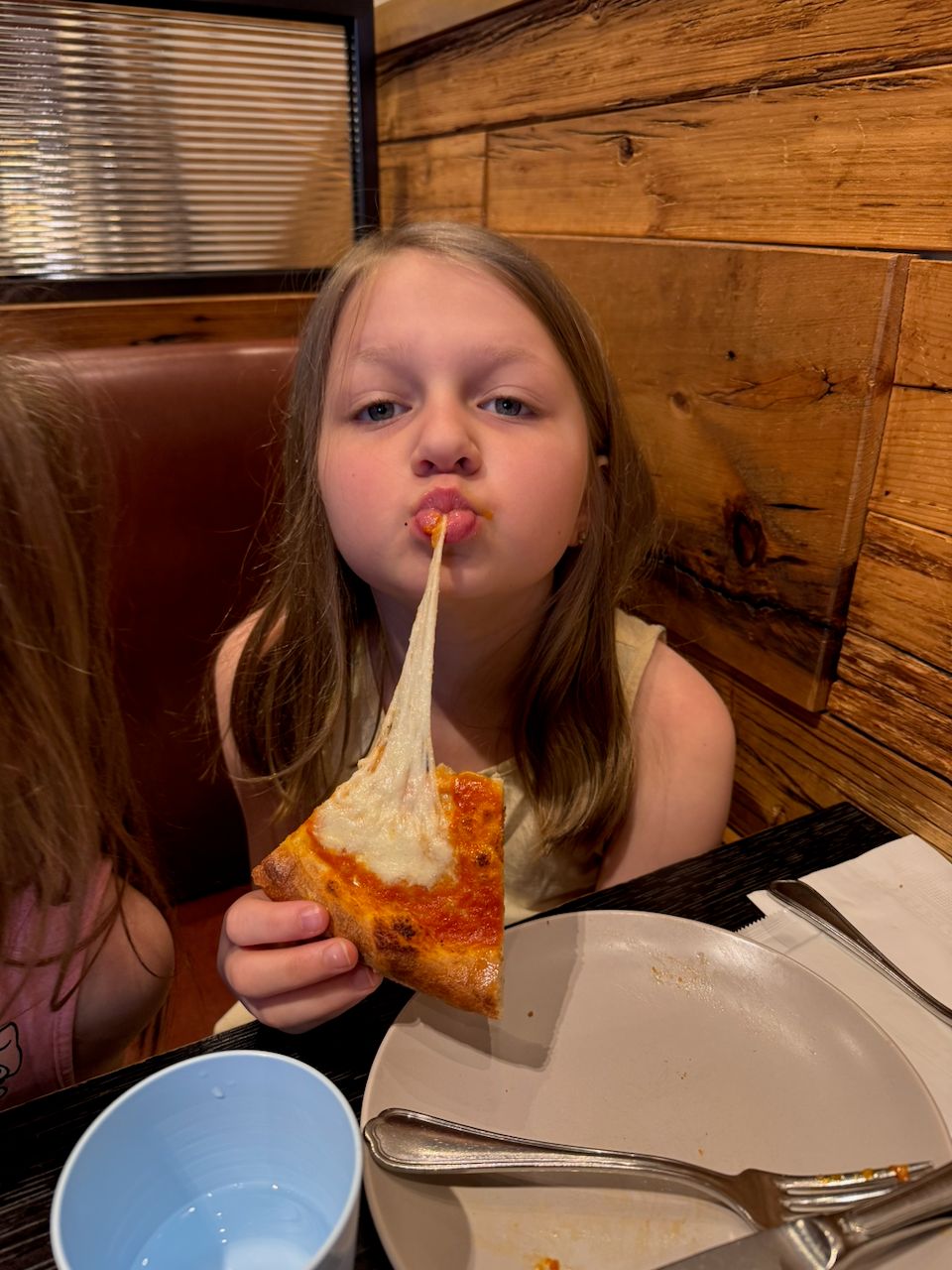
Saizeriya is the chain most associated with this category, and its pricing is well documented and remarkably stable: a margherita pizza or spaghetti with meat sauce runs about 400 yen, a shrimp cocktail starter with more than a dozen pieces is around 280 yen, and a glass of house wine is 100 yen. A full plate of pasta, a side, and a drink comes in under 800 yen per person, and prices across the chain’s roughly 1,000 Japan locations have barely moved since the restaurant opened in 1973. Whether or not our specific stop was that exact chain, the numbers on our table that day landed in the same range.
The category, not just the one chain
Saizeriya is one name in a much bigger category, known in Japan as famiresu, family restaurant chains built around exactly the trip we needed that day: fast seating, an English-friendly picture menu, and something a picky kid will actually eat. Gusto runs over 1,300 locations nationwide, the most of any chain in the category, and has the highchairs and kids’ menu to match. Denny’s in Japan bears almost no resemblance to its American namesake beyond the name, with a menu that mixes Japanese and Western dishes wide enough to cover a table of five different appetites. Bamiyan, a Chinese-style chain in the same price bracket, prices its own kids’ sets, fried rice, ramen, or curry, between 399 and 499 yen. None of these require a reservation, most stay open long hours, and all of them are built for a family walking in without a plan, which describes most of our actual weeknights in Japan far better than a teppanyaki counter does.
The splurge side: over $300 for one dinner
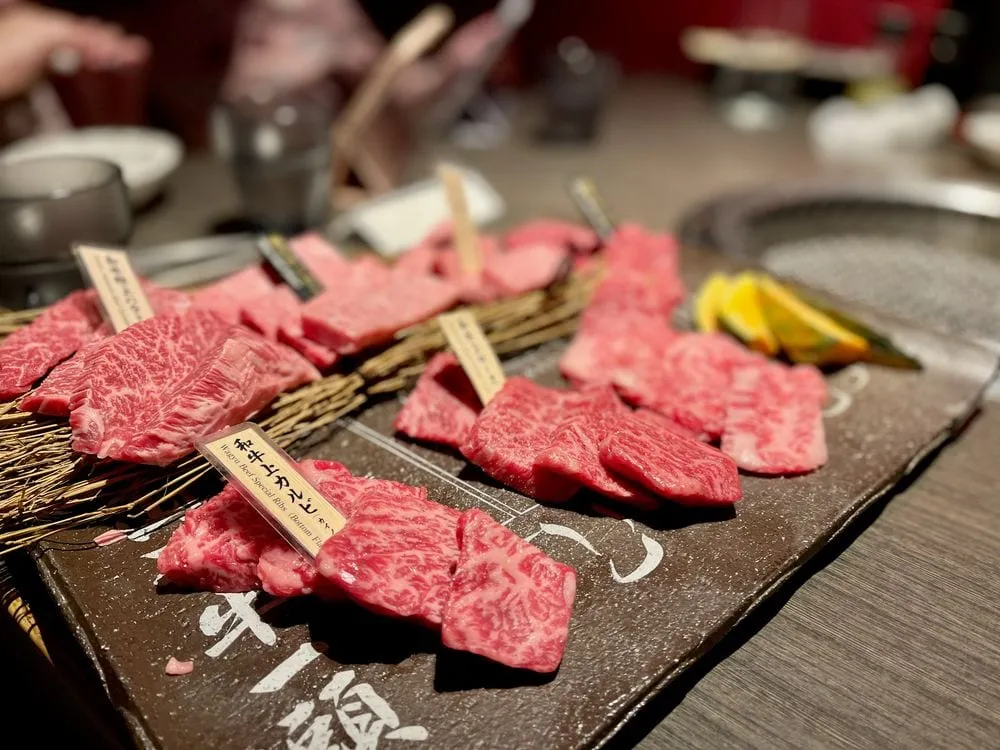
We’ve already broken down the other end of the scale in full: a teppanyaki dinner at Nankai Grill near Sakai Station that ran us over $300 once every add-on was in. The restaurant’s own posted pricing lists a standard dinner course around 7,500 yen a person, about $48, built around Miyazaki wagyu with a salad bar and drinks included, already a real step up from what we usually spend on a night out in Japan, which normally runs under $10 a person. The $300 total came from stacking extras on top of that base course, not from the course itself.
Side by side
| Family restaurant lunch | Teppanyaki dinner | |
|---|---|---|
| Per person | Under 800 yen (about $5) | 7,500 yen base course (about $48), before add-ons |
| Total that day | A few thousand yen for the whole family | Over $300 with extras |
| Reservation | Walk in, no wait | Booked ahead |
| Setting | Booth, laminated menu, kids’ menu | Sit-down counter, chef cooking tableside |
That’s roughly a tenfold difference per person before the teppanyaki add-ons even entered the picture, and both meals were the right call for the day they happened on.
Why both are worth knowing about
Neither number is the one to plan a whole trip’s food budget around. The family restaurant chains are what we eat on most ordinary days, fast, cheap, no reservation, forgiving of three kids who want completely different things off the menu. The teppanyaki splurge was a once-in-a-trip decision for something that mattered to us that specific night, not a template for every dinner. Knowing the real range between them, under 800 yen on one end and $300 on the other, matters more than knowing either number alone, because it’s the range a real family trip moves through most weeks, not a single average that smooths both extremes away.
Finding one without planning ahead
Part of what makes the cheap side of this comparison so easy to lean on is that it takes no planning at all. Family restaurant chains cluster around train stations, shopping complexes, and roadside parking lots the same way fast food does in the US, and a five minute walk from almost any station in a mid-size city turns up at least one. Picture menus with photos of every dish mean the language barrier mostly disappears, point at what looks good, and most locations post a laminated English menu insert somewhere near the register if you ask. None of that applies to a teppanyaki counter, where the good ones fill up on weekend evenings and a same-day walk-in isn’t a safe bet. That gap, plan-ahead versus walk-in-whenever, is as real a difference between the two meals as the price is.
Was it worth it, both times
Yes, for different reasons. The cheap lunch was worth it because it let three kids eat exactly what they wanted without anyone doing math at the table. The splurge was worth it because it was tied to something specific we wanted to celebrate, not a reflex “we’re in Japan, we should do teppanyaki once” purchase. Neither meal would have felt right in the other’s place that day, and that’s really the whole case for keeping both ends of the range in mind rather than budgeting for one flat number and being surprised when a real trip doesn’t stay inside it.