Dotonbori Is Free to Walk, and It's Still the Best Show in Osaka
The canal, the neon signs, and the Glico Man billboard in Dotonbori cost nothing to see. Here's what an evening in Osaka's most famous district actually adds up to once dinner and drinks are in the picture.
Published on 3 min read
On this page
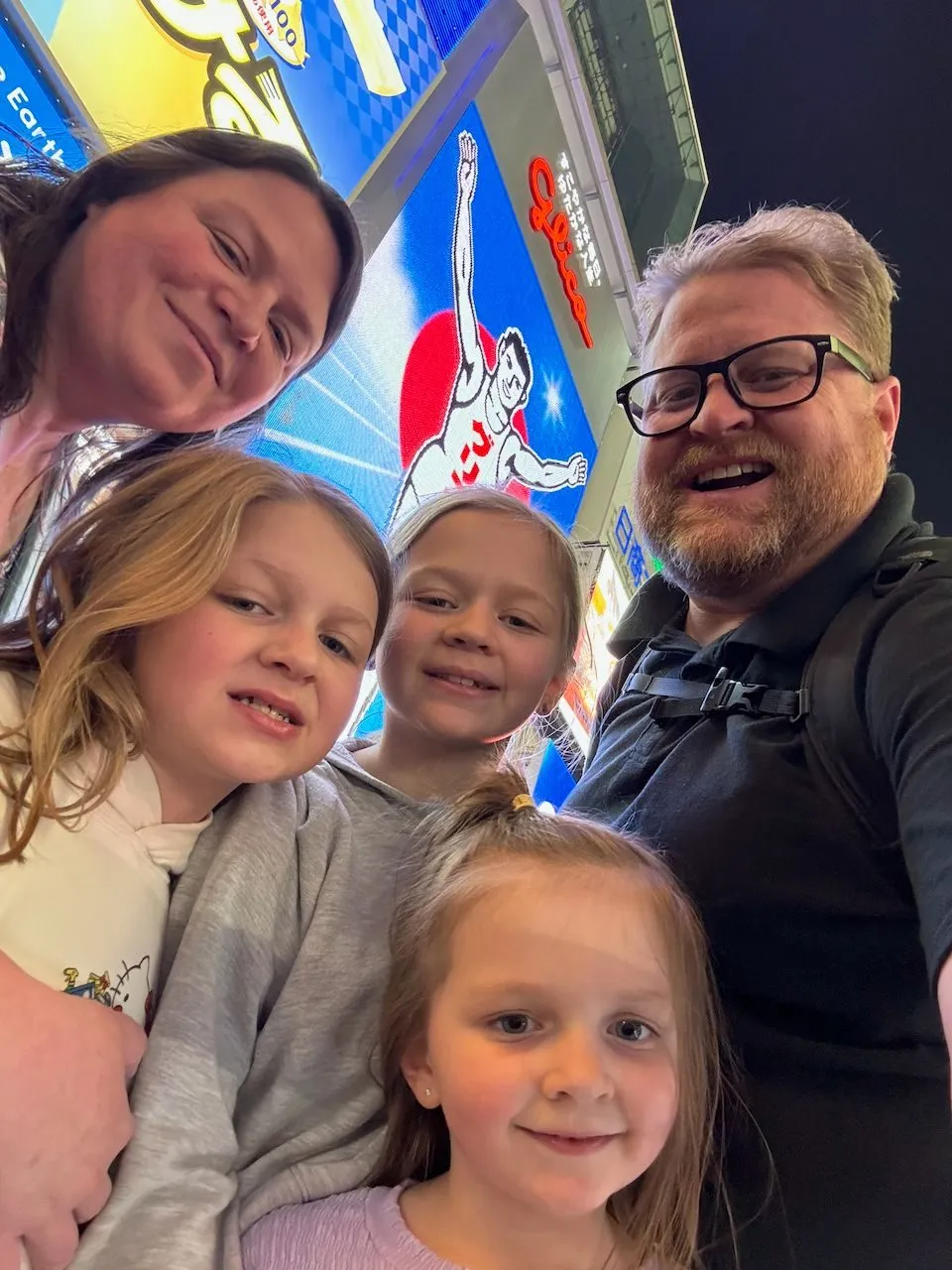
Walking Dotonbori at night doesn’t cost anything, and it’s still one of the best things we’ve done anywhere in Japan. The canal, the wall of neon signs, the giant mechanical crab and blowfish hanging over the street, and the famous Glico Man billboard: none of it has a ticket, a gate, or a reason to rush past it.
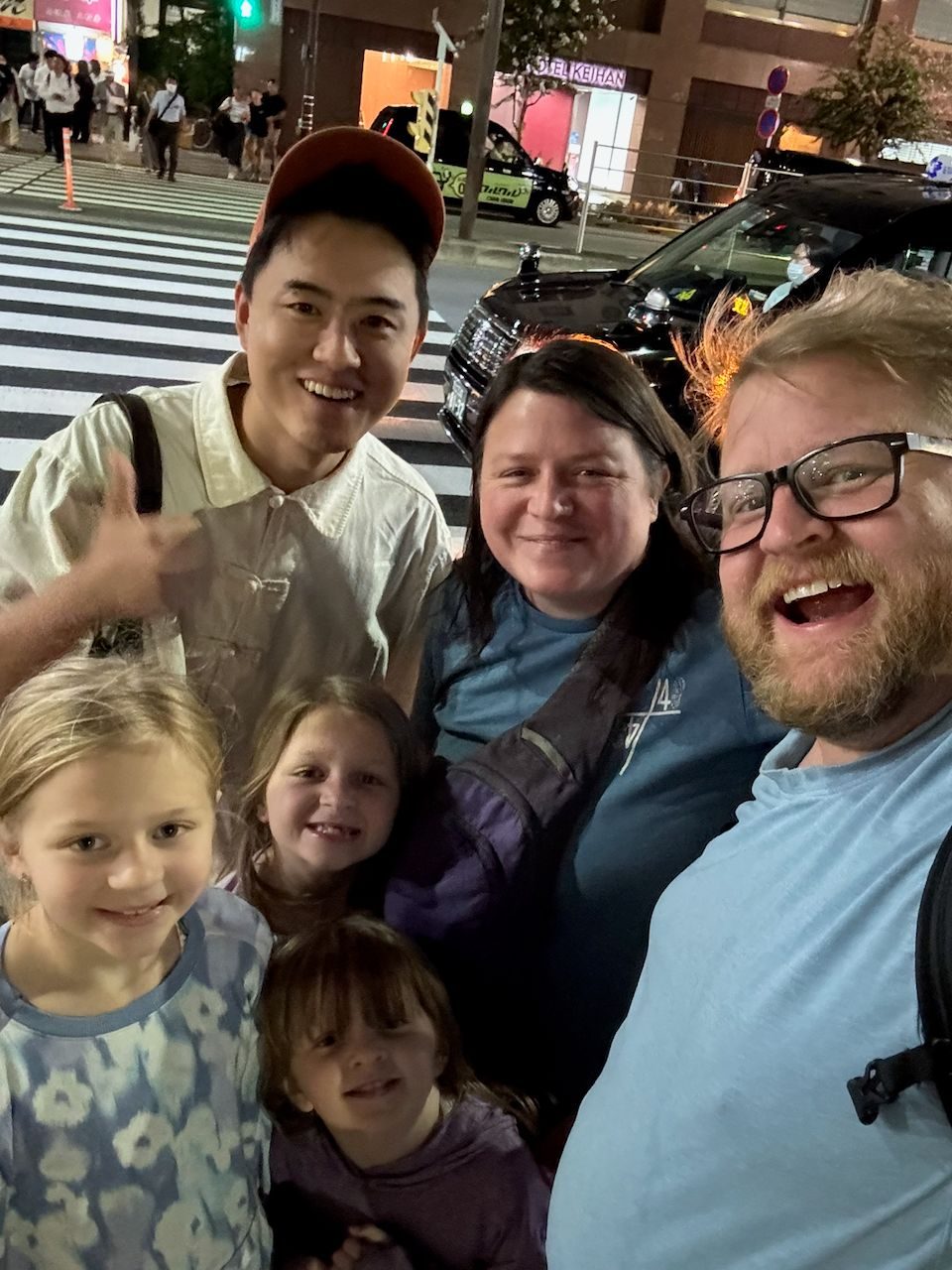
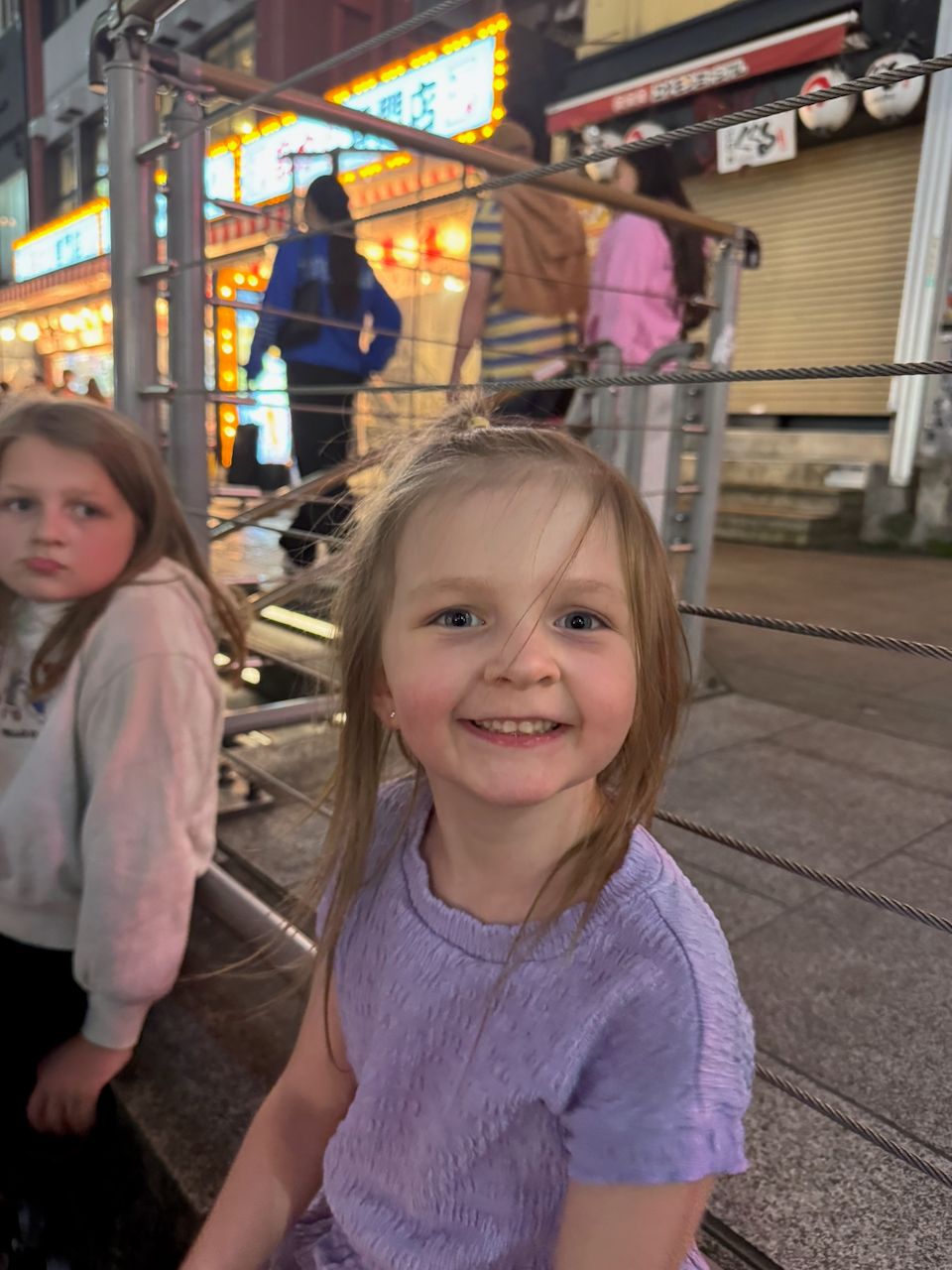
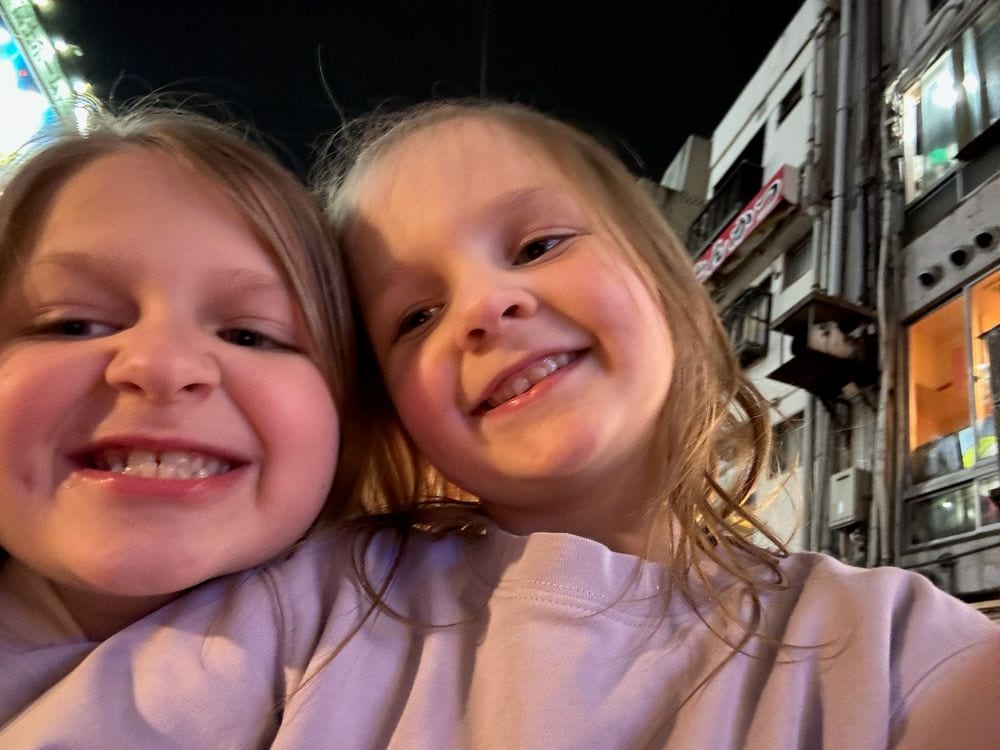
We went with all three girls, Lily, Cora, and Harper, and they were just as locked in as we were. Dotonbori at 8pm on a spring night is loud, bright, and completely free to just walk through.
What’s actually free here
- The Dotonbori canal boardwalk, open all night, no entry, no closing time.
- The Glico Man billboard, running since 1935 and still the single most photographed spot in Osaka. Standing under it costs nothing.
- The giant animal signs, the crab, the blowfish, the octopus, hanging over storefronts up and down the street. Half the fun of Dotonbori is just looking up.
- Sōemon-chō, the quieter canal-side strip one block over, its own string of lanterns and neon reflected in the water, and noticeably fewer crowds than the main drag.
Where the actual money goes: dinner
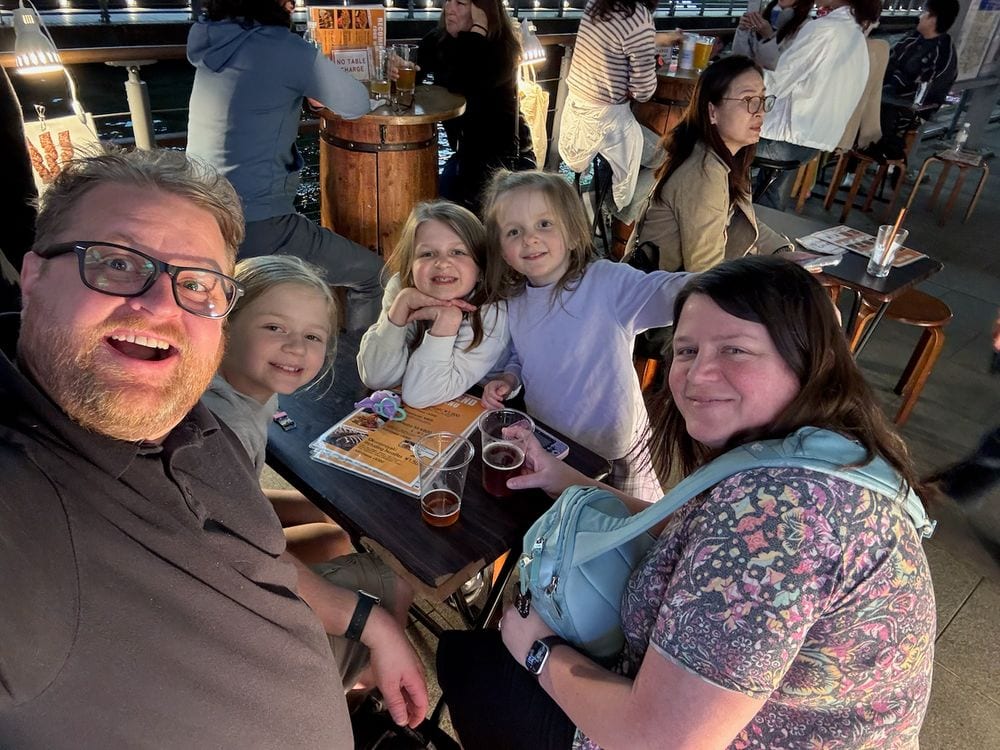
Free canal, but the family still needs to eat, and this is where Dotonbori and Sōemon-chō start costing something. We ended up canal-side in Sōemon-chō for dinner and drinks. We didn’t keep the receipt from this particular stop, so instead of inventing a number, here’s what’s generally true of eating in this district rather than what our exact bill was: a draft beer at a casual spot typically runs somewhere around 500 to 700 yen, and shared plates (yakitori, karaage, that kind of thing) are usually 800 to 1,500 yen each. For a table of five with a couple of drinks and enough food to go around, that’s a realistic range to plan for, not a fixed number.
What an evening in Dotonbori actually costs
| Thing | Cost |
|---|---|
| Walking Dotonbori and Sōemon-chō, canal to canal | $0 |
| Photos with the Glico Man sign and the giant crab | $0 |
| A beer at a casual riverside spot | ~$4 to $5 |
| A shared plate (yakitori, karaage) | ~$5 to $10 |
The walk itself is the whole reason to come. Dinner is optional, and the price of it is entirely up to how many rounds you order, not the neighborhood charging you to be in it.
Planning a stop in Osaka?
These are affiliate links. We may earn a commission if you book through them, at no extra cost to you. See our legal notice.
Booking anything through Klook for the trip, our code ADAMANDLINDSKLOOK is worth entering at checkout, the general new or existing user tiers apply once a cart crosses $50, not just the specific activities we’ve named it on elsewhere:
Klook code: ADAMANDLINDSKLOOK
Click through to Klook below, then enter code ADAMANDLINDSKLOOK at checkout. This is a real affiliate code, we may earn a commission on the booking too, at no extra cost to you. See our legal notice.
10% off, New Klook user
$50 minimum spend, capped at $50 off, one time use. Valid through December 31, 2026.
3% off, Existing Klook user
$50 minimum spend, capped at $50 off, up to three uses. Valid through December 31, 2026.
1% off, Selected things to do and mobility, including teamLab Planets TOKYO, teamLab Borderless, teamLab Biovortex Kyoto, Japan Shinkansen tickets, SHIBUYA SKY, Warner Bros. Studio Tour Tokyo, and Osaka Amazing Pass
No stated minimum spend for this tier. Valid through December 31, 2026.
50% off, eSIM, new eSIM customers only
No minimum spend, capped at $1.50 saved, one time use. Valid through December 31, 2026.
If you want a guided angle on this instead of wandering it yourself, a Dotonbori food tour is a common way to hit a handful of counters in one night without guessing which line is worth standing in. And if Osaka is part of a bigger Japan trip, it’s an easy pair with a day trip to Kyoto or Nara, both close enough to do without changing hotels.
We were in Osaka for Universal Studios Japan on this same trip, which is a very different kind of spending than a free canal walk. That’s its own post, coming soon.