Ginza's Main Street Has Been Car-Free on Weekends Since 1970
Chuo-dori, Ginza's main shopping street, closes to cars every weekend and public holiday, a tradition dating to 1970. Free to walk, real history, and why it was empty on a Tuesday.

Published on 3 min read
On this page
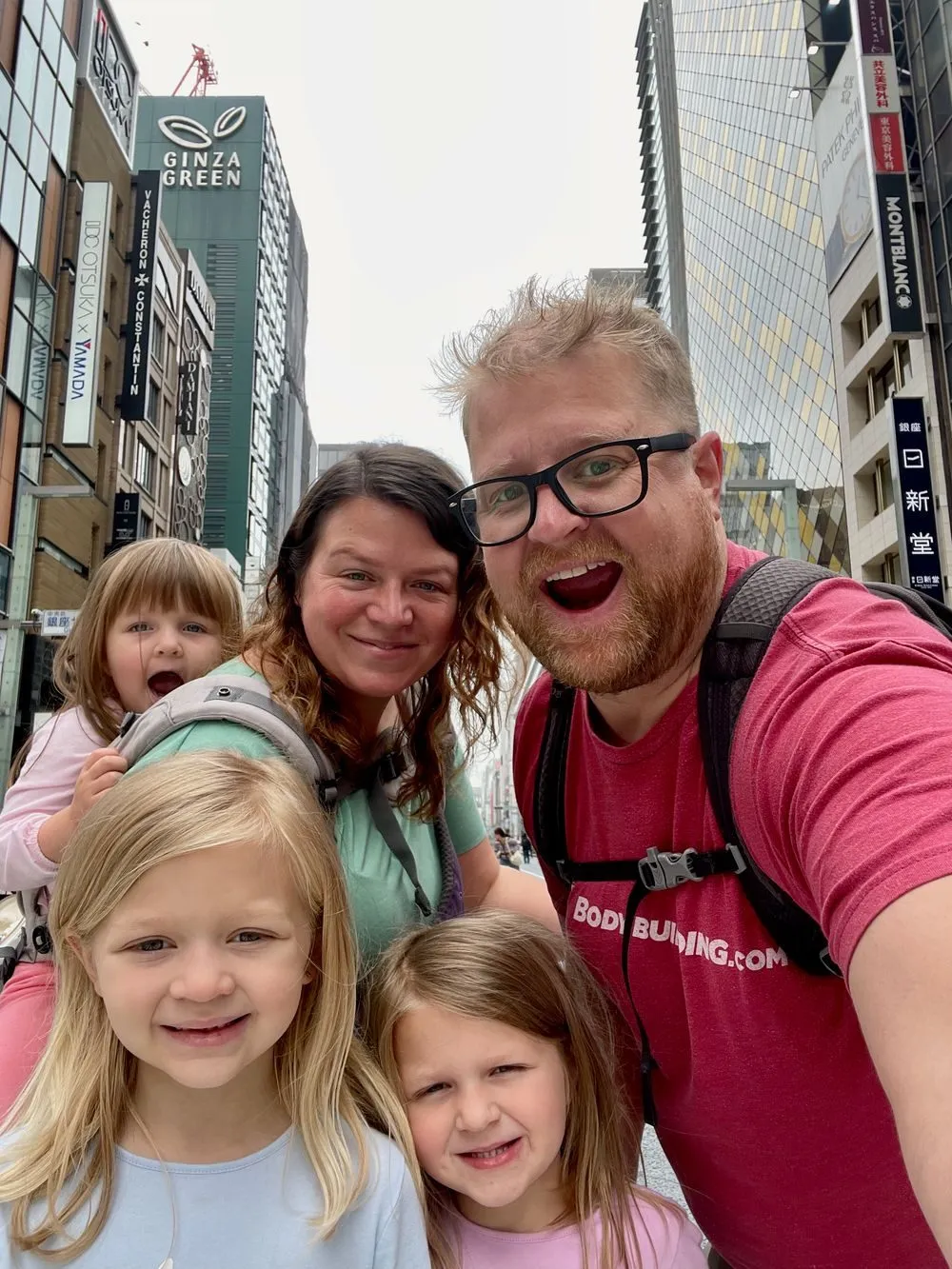
Chuo-dori, Ginza’s main shopping street, has closed to car traffic every weekend since August 1970, Japan’s first “pedestrian paradise,” known locally as Hokosha Tengoku or Hokoten for short. Saturdays, Sundays, and public holidays, noon to 5pm, roughly 1,100 meters of one of Tokyo’s most expensive streets belongs entirely to people walking, no cars, no crossing signals to wait for, street performers working the open road where traffic normally runs.
Why this was empty on a Tuesday
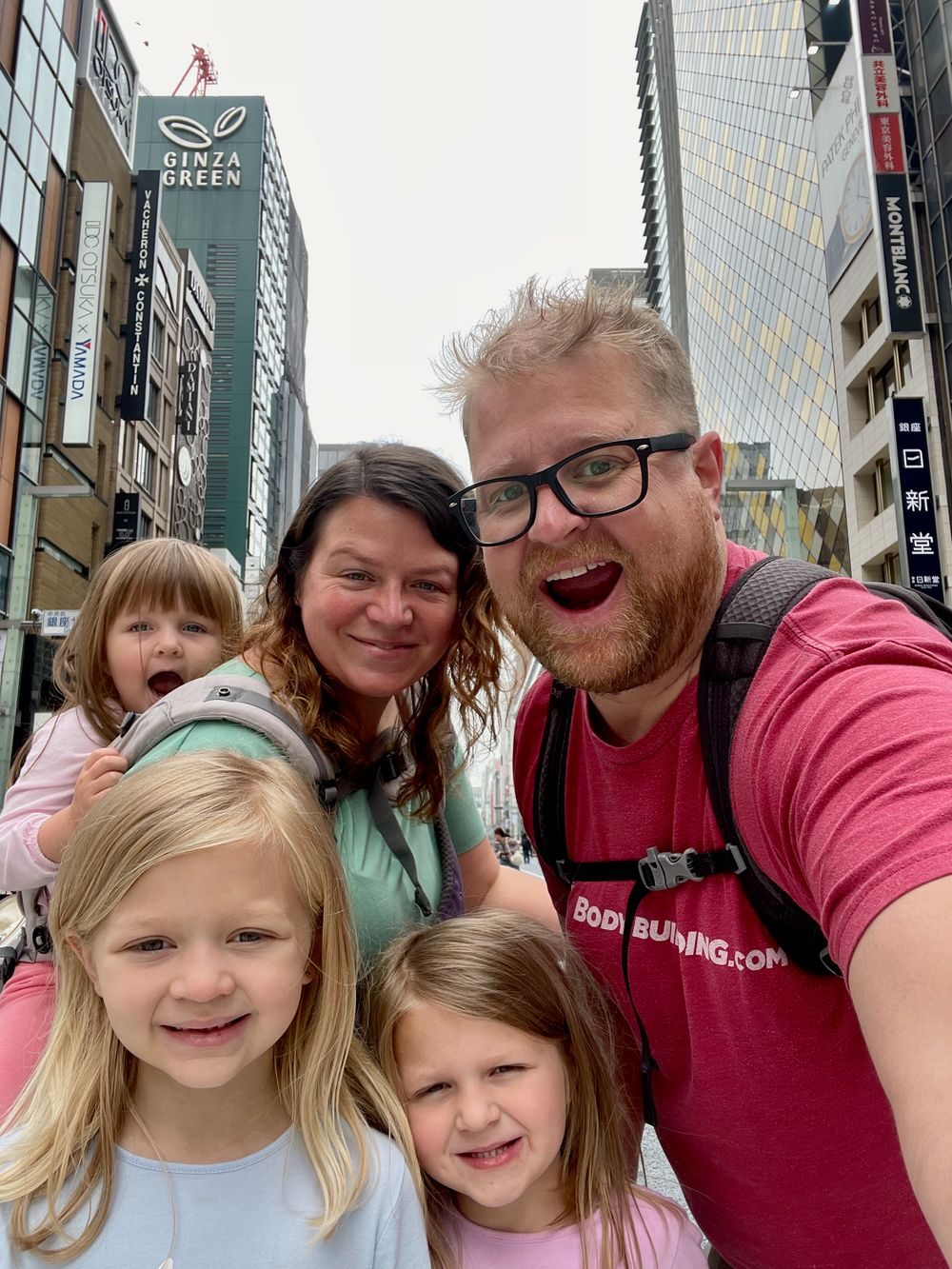
Our photo is dated March 21, 2023, a weekday by the normal calendar, which raised the question of why Chuo-dori was closed to cars when the rule is weekends and public holidays. The real answer: March 21, 2023 was Vernal Equinox Day, Shunbun no Hi, a genuine Japanese national holiday, one of only two days each year (alongside its autumn counterpart) whose exact date isn’t fixed on a calendar but recalculated each February from the actual astronomical equinox. Established as a public holiday in 1948, it’s traditionally a day for visiting family graves during the Buddhist Higan period, not something most visitors would connect to a closed-off shopping street, but it’s exactly the kind of holiday that triggers Hokoten on an otherwise ordinary Tuesday.
Why it started in the first place
The closure began in 1970 for a real, practical reason, cutting traffic accidents and pollution during the peak of Japan’s postwar economic growth, when car ownership and city traffic were both climbing fast. Ginza wasn’t just the first place in Tokyo to try it, sources describe it as the first pedestrian paradise anywhere in Japan, a model other shopping districts eventually copied. It’s grown into its own minor tradition too: the Gin-bura Festival, officially the Holiday Promenade, runs the first Sunday of every August as a larger public event inside the same closed street. “Gin-bura,” short for Ginza plus burabura, Japanese for aimless wandering, is itself a real, roughly century-old term for strolling Ginza with nowhere in particular to be, popularly credited to Keio University students though the exact origin story isn’t firmly documented.
What it costs to stand in the middle of the road
Nothing, the same as every other weekend and holiday the closure runs. Ginza itself carries a reputation as one of the most expensive shopping streets in the world, and we’ve already written about real Ginza costs elsewhere, a Pokémon Center haul, a Sanrio plush comparison. None of that changes what Hokoten itself charges: zero yen to walk a closed-off street surrounded by storefronts most people only window shop, luxury brand signage overhead free to photograph whether or not a single yen crosses a register that day.
A real guided option exists for anyone who wants more structure than wandering the closed street alone, a walking tour covering Ginza’s history and back alleys beyond just Chuo-dori:
Ginza walking tour
These are affiliate links. We may earn a commission if you book through them, at no extra cost to you. See our legal notice.
Klook code: ADAMANDLINDSKLOOK
Click through to Klook below, then enter code ADAMANDLINDSKLOOK at checkout. This is a real affiliate code, we may earn a commission on the booking too, at no extra cost to you. See our legal notice.
10% off, New Klook user
$50 minimum spend, capped at $50 off, one time use. Valid through December 31, 2026.
3% off, Existing Klook user
$50 minimum spend, capped at $50 off, up to three uses. Valid through December 31, 2026.
1% off, Selected things to do and mobility, including teamLab Planets TOKYO, teamLab Borderless, teamLab Biovortex Kyoto, Japan Shinkansen tickets, SHIBUYA SKY, Warner Bros. Studio Tour Tokyo, and Osaka Amazing Pass
No stated minimum spend for this tier. Valid through December 31, 2026.
50% off, eSIM, new eSIM customers only
No minimum spend, capped at $1.50 saved, one time use. Valid through December 31, 2026.
Getting there
Ginza Station, served by the Ginza, Marunouchi, and Hibiya subway lines, sits right at the heart of Chuo-dori, close enough that stepping off the train during Hokoten hours puts a family directly into the closed street with no further walk required. Yurakucho Station, one stop away on the JR Yamanote Line, works just as well and connects easily if a trip through Ginza is paired with a stop somewhere else on the loop line.
Was it worth the stop
Completely, and the best part cost nothing at all. A photo in the middle of a street that’s normally full of cars, on a holiday we hadn’t planned around, in a neighborhood known more for what things cost than for what’s free, turned into one of the more memorable stops of that particular day, no ticket, no reservation, just the right day of the week.