Is Kappabashi's Fake Food Street Worth the Detour?
Kappabashi is 800 meters of restaurant supply shops between Ueno and Asakusa, free to walk, famous for hyper-realistic plastic food. Real history, real prices, a verdict.

Published on 4 min read
On this page
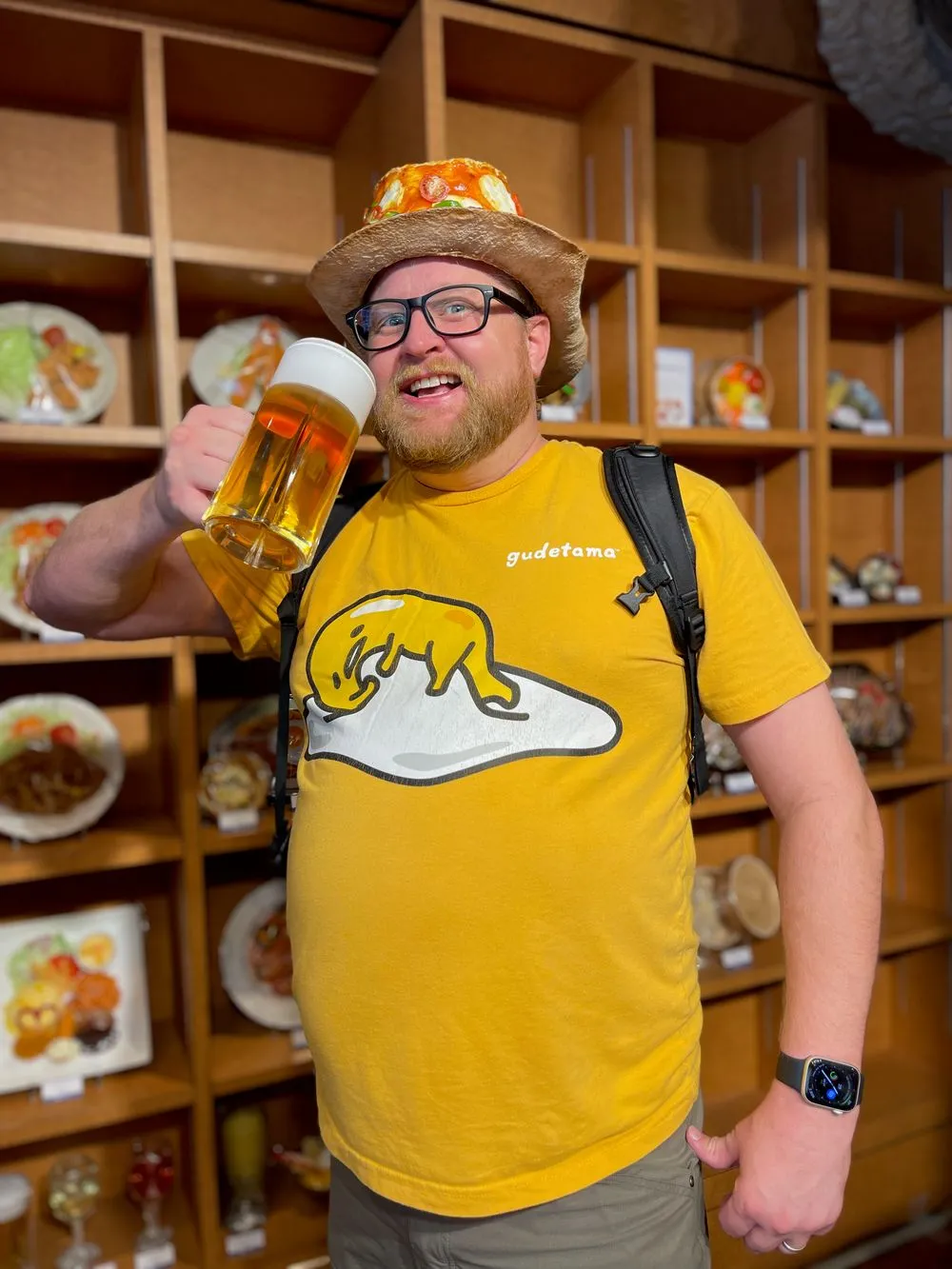
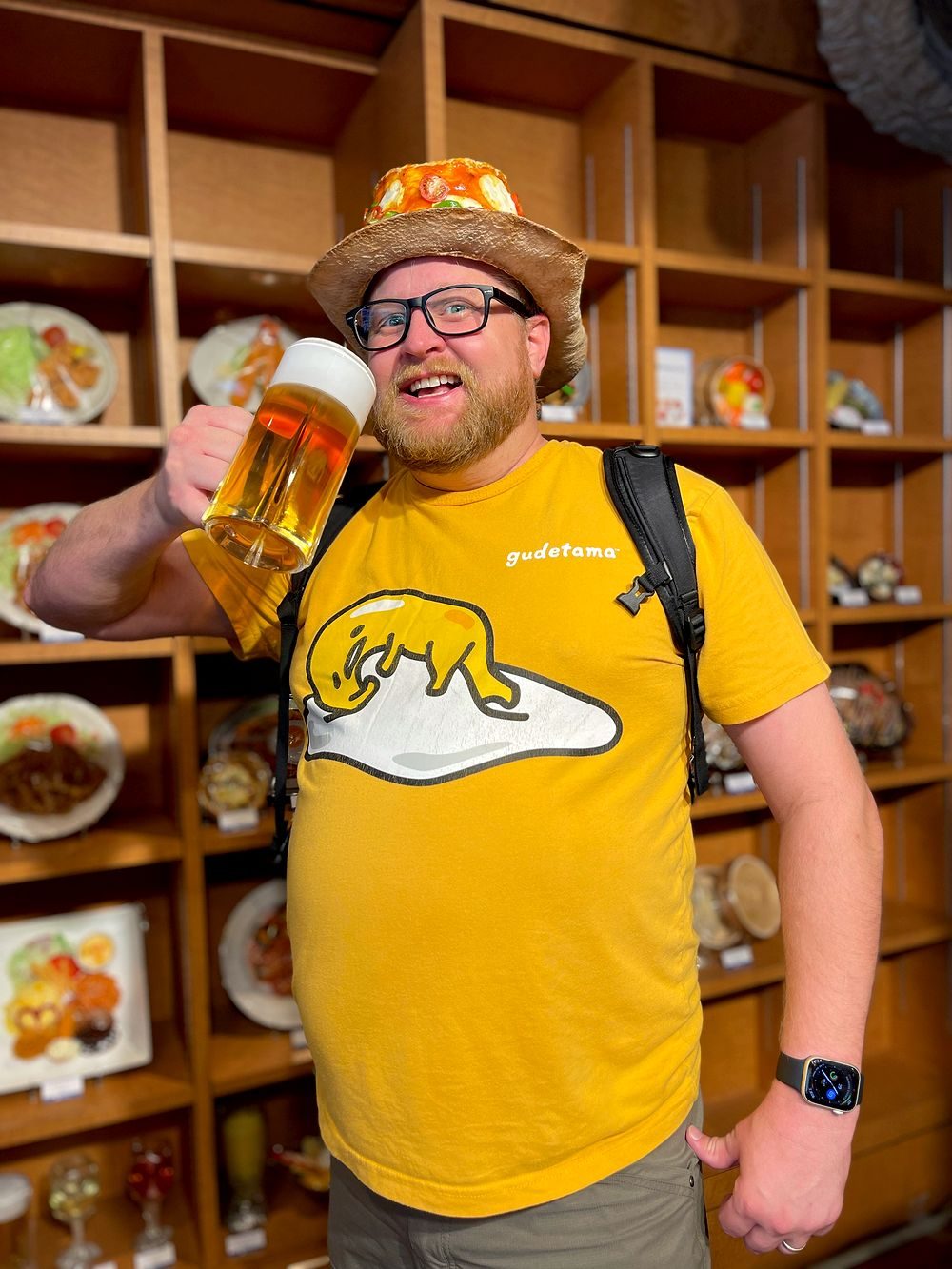
A hat shaped like a slice of pizza toast, a beer mug the size of Adam’s head, shelves of plates stacked with food that looks real enough to eat and isn’t. That’s Kappabashi, a street neither of us had heard of before wandering in between Ueno and Asakusa, and the honest answer to whether it’s worth the detour depends entirely on what you’re hoping to get out of it.
What Kappabashi really is
Kappabashi Dougu-gai runs about 800 meters between Ueno and Asakusa, lined with roughly 170 shops selling everything a restaurant needs except the fresh food itself: cookware, tableware, uniforms, signage, and the hyper-realistic plastic food replicas, known as sampuru, that sit in restaurant windows across the country. Walking the street costs nothing, no gate, no ticket, and merchants have been gathering here since around the turn of the 20th century, over a century of restaurant-supply history before it ever became a tourist stop. The street’s name comes from local folklore involving kappa, mythical water creatures said to have helped with construction work in the area, and a giant chef’s head statue mounted above one of the buildings still works as the unofficial landmark pointing you to the right block.
Where the whole industry started
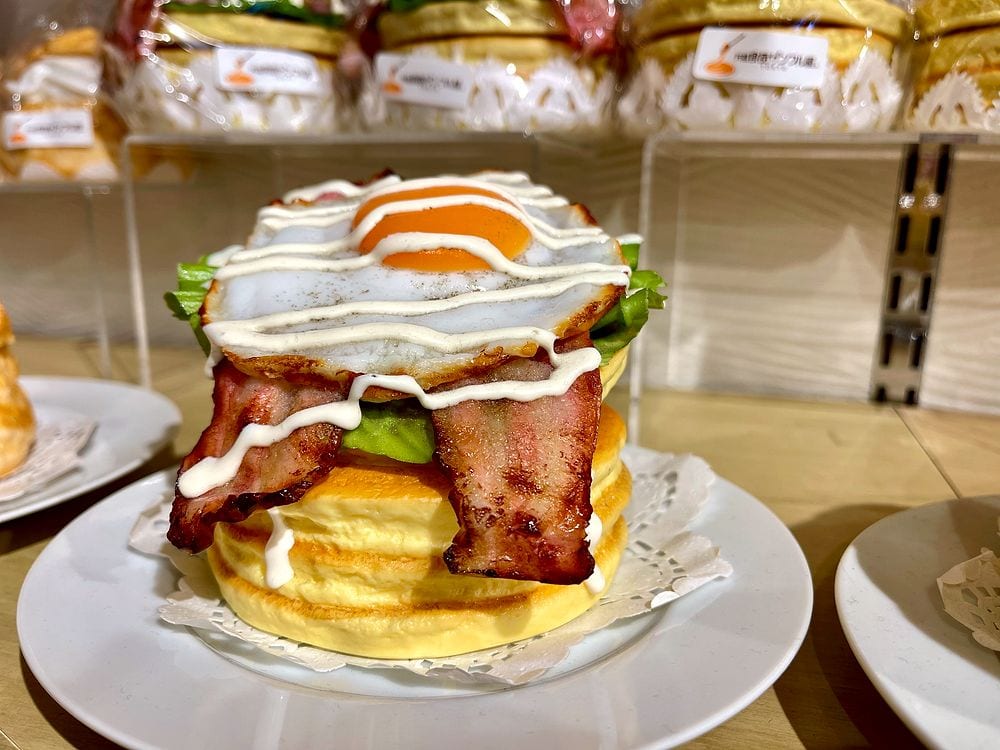
The craft on display here traces back to one specific person: Takizo Iwasaki, a businessman who invented shokuhin sampuru in 1932 using candle wax to model a plate of omurice, inspired by a childhood memory of spilled wax forming a flower shape in water. His wife reportedly couldn’t tell his wax omurice from the real dish, and the company he founded in his hometown of Gujo Hachiman, Gifu Prefecture, still makes a large share of Japan’s food samples today, an estimated 60 percent of the national market by 2016, climbing to 70 percent by 2025. Wax stayed the standard material for decades despite one obvious flaw, a low melting point around 65 degrees Celsius that made it a poor match for a restaurant window on a hot day, which is part of why most samples sold at Kappabashi today are molded from polyvinyl chloride plastic instead, along with silicone and gelatin for specific textures wax never handled well.
What costs money, and what doesn’t
Looking is free. Buying is where the range opens up fast. A small souvenir, a keychain or a magnet shaped like a piece of sushi or a slice of cake, starts around 500 yen. A full-size plate replica, the kind meant for a real restaurant window, runs 3,000 to 5,000 yen and climbs well past that for anything elaborate, some pieces listed as high as 100,000 yen. If making your own is more the draw than buying one ready-made, a real hands-on workshop exists for that too:
Food sample making experience, Asakusa
These are affiliate links. We may earn a commission if you book through them, at no extra cost to you. See our legal notice.
Klook code: ADAMANDLINDSKLOOK
Click through to Klook below, then enter code ADAMANDLINDSKLOOK at checkout. This is a real affiliate code, we may earn a commission on the booking too, at no extra cost to you. See our legal notice.
10% off, New Klook user
$50 minimum spend, capped at $50 off, one time use. Valid through December 31, 2026.
3% off, Existing Klook user
$50 minimum spend, capped at $50 off, up to three uses. Valid through December 31, 2026.
1% off, Selected things to do and mobility, including teamLab Planets TOKYO, teamLab Borderless, teamLab Biovortex Kyoto, Japan Shinkansen tickets, SHIBUYA SKY, Warner Bros. Studio Tour Tokyo, and Osaka Amazing Pass
No stated minimum spend for this tier. Valid through December 31, 2026.
50% off, eSIM, new eSIM customers only
No minimum spend, capped at $1.50 saved, one time use. Valid through December 31, 2026.
Workshops like this one typically run around an hour, letting you shape and set your own plastic tempura, lettuce, or dessert piece to take home as a souvenir with your own hands in it rather than one bought off a shelf. We didn’t book one ourselves, the street itself kept three kids entertained without a scheduled activity, but it’s a real option worth knowing about if a browse-only visit doesn’t feel like enough on its own.
Getting there
Tawaramachi Station on the Ginza Line and Inaricho Station on the same line both sit within a short walk of the street, and Kappabashi runs close enough to Asakusa’s main temple district that it works as a detour on the way to or from Senso-ji rather than a separate trip. Shops generally run something close to 9 or 10am to 5pm, Monday through Saturday, with most closed on Sundays and public holidays, worth checking before planning a visit specifically around a weekend.
Was it worth the detour
Yes, and we didn’t spend a yen to get the value out of it. Walking the street itself, trying on novelty hats shaped like food in shop doorways, and watching three kids stare at plates of plastic ramen trying to figure out the trick, cost nothing and filled a real, entertaining half hour between Ueno and Asakusa. If a souvenir or a workshop interests you beyond that, the real pricing above is there to budget around, but Kappabashi doesn’t need a purchase to be worth the stop. It’s one of the rare free Tokyo attractions built entirely around looking closely at something ordinary, restaurant display food, until it stops looking ordinary at all. The giant chef’s head mounted above the Niimi building, an 11 meter sculpture installed in 1982 above a kitchenware shop that’s been open since 1907, still marks the spot if you need a landmark to aim for, and it’s worth remembering that the same plastic trickery fooling you in a shop window is the exact thing helping you order confidently at a restaurant you can’t read the menu at later that same day.