Everyone Calls It the Golden Poop Building, That Was Never the Idea
The golden sculpture on the Asahi building in Asakusa isn't a joke, it's a 1989 Philippe Starck flame. Free to see, plus real Sumida River cruise prices nearby.

Published on 4 min read

On this page
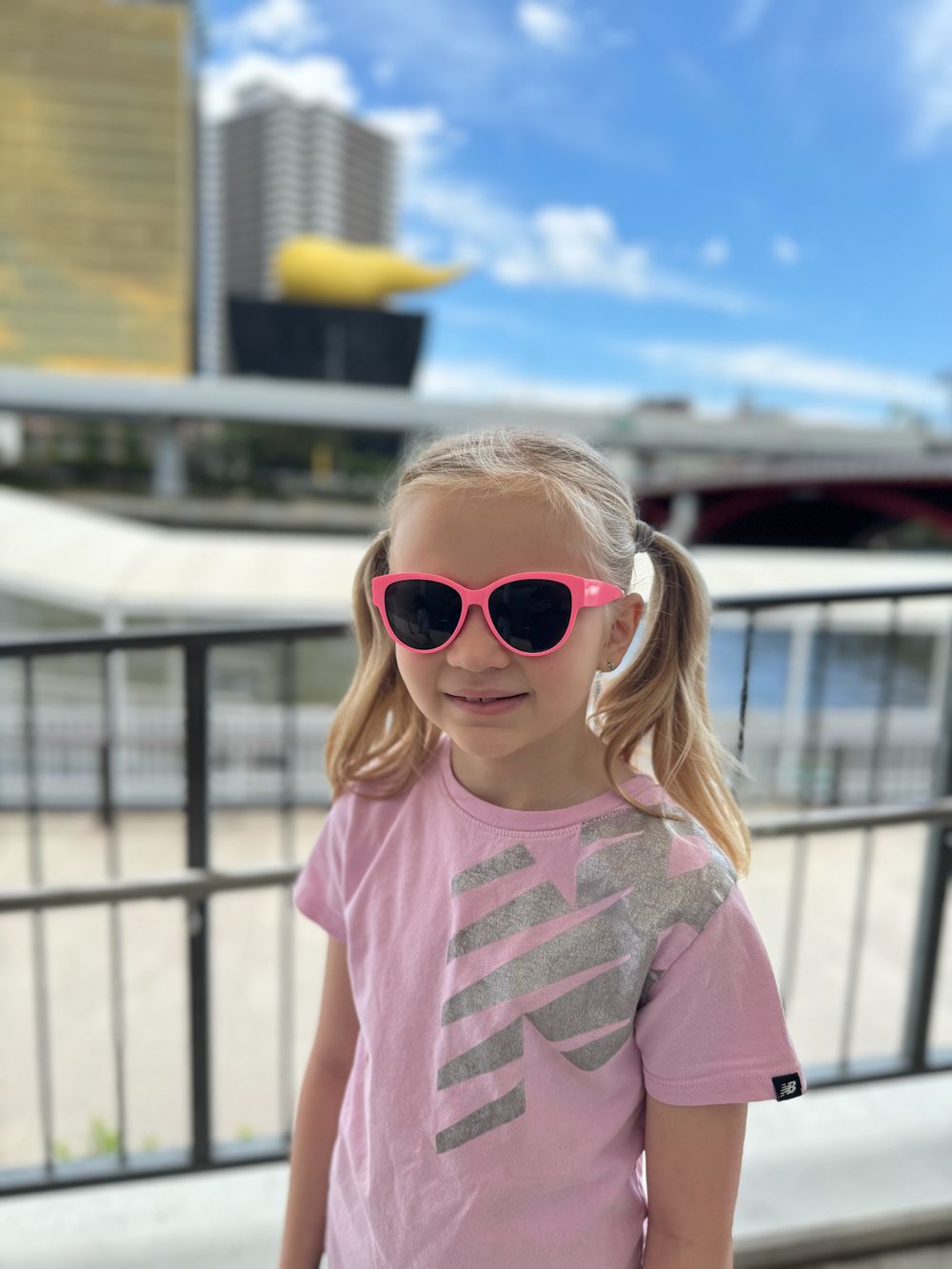
Stand on the Sumida River near Asakusa and look across at the Asahi building, and you’ll see a massive gold object on the roof that generations of visitors and plenty of Tokyo locals have nicknamed the Golden Poop. It’s an easy joke to make, the shape does the work for you, but it was never supposed to be one.
What it’s really meant to be
The object is officially the Flamme d’Or, Golden Flame, designed by French designer Philippe Starck and completed in 1989. It’s a real piece of architecture, not a novelty, 44 meters long and 360 tons, sitting on top of the Asahi Group Hall building, meant to represent what Asahi describes as the company’s burning passion driving it toward a new century. The site carries its own real history too: before the Flamme d’Or went up, the same spot held the Azumabashi Brewery, which ran continuously from 1903 to 1985, more than eighty years of beer production on that exact piece of riverbank before the modern building replaced it. None of that changes how the shape reads from across the river, and we’re not pretending the nickname doesn’t fit, but the designer’s actual intent was fire, not what three generations of tourists have landed on instead.
A real designer’s actual résumé
Starck isn’t a one-off novelty name attached to a tourist joke either. He’s the same designer behind the Juicy Salif, Alessi’s spindly aluminum citrus squeezer from 1987 that became a design-world icon in its own right, and the Louis Ghost Chair for Kartell, a transparent polycarbonate chair that’s sold more than two million units since 2000. His work spans furniture, architecture, wind turbines, and even space vehicle design, the kind of résumé that makes the Flamme d’Or’s artistic intent a lot more credible once you know what else carries his name. The building underneath the flame has its own detail too, a staircase built from glass blocks specifically so it could be lit from behind at night, which is why the whole structure glows and shimmers after dark rather than going dark like an ordinary office building once the sun sets.
It’s free to see, which is the easy part
Walking the Sumida riverbank to get a good look at it costs nothing, same as most of the real sights worth seeing in this stretch of Asakusa. The harder part is explaining the joke to your kids once they’ve heard the nickname and can’t unsee it, which is its own kind of free entertainment.
What costs real money nearby: the river itself
A short walk from the Flamme d’Or, the Asakusa pier is where Tokyo’s water bus boats depart, including the Himiko and Hotaluna, both real boats designed by Leiji Matsumoto, the manga and anime artist behind Space Battleship Yamato and Captain Harlock, not generic sightseeing boats dressed up for tourists. Real current one-way pricing from Asakusa: 2,000 yen adult/1,000 yen child to Odaiba Seaside Park (about 70 minutes), 1,180 yen/470 yen to Hamarikyu Gardens (about 35 minutes), and 1,000 yen/500 yen to Hinode Pier (about 40 minutes). The Himiko doesn’t run every second Tuesday and Wednesday of the month for maintenance, except in August, and the ticket machine at the Asakusa pier takes only cash or an IC card like Suica or Pasmo, no credit cards, worth knowing before you’re standing at the machine with the wrong wallet out.
Sumida River cruise, Asakusa to Odaiba
These are affiliate links. We may earn a commission if you book through them, at no extra cost to you. See our legal notice.
Klook code: ADAMANDLINDSKLOOK
Click through to Klook below, then enter code ADAMANDLINDSKLOOK at checkout. This is a real affiliate code, we may earn a commission on the booking too, at no extra cost to you. See our legal notice.
10% off, New Klook user
$50 minimum spend, capped at $50 off, one time use. Valid through December 31, 2026.
3% off, Existing Klook user
$50 minimum spend, capped at $50 off, up to three uses. Valid through December 31, 2026.
1% off, Selected things to do and mobility, including teamLab Planets TOKYO, teamLab Borderless, teamLab Biovortex Kyoto, Japan Shinkansen tickets, SHIBUYA SKY, Warner Bros. Studio Tour Tokyo, and Osaka Amazing Pass
No stated minimum spend for this tier. Valid through December 31, 2026.
50% off, eSIM, new eSIM customers only
No minimum spend, capped at $1.50 saved, one time use. Valid through December 31, 2026.
Getting there
Asakusa Station puts you about a 3 minute walk from the building, close enough that both the free sculpture and the paid cruise pier fit easily into the same short detour from Senso-ji or Nakamise-dori, no separate trip required for either.
Was it worth the stop
Completely, even just for the free half. A free riverside landmark with a real designer behind it and an actual flame hiding under a nickname everyone defaults to is the kind of detail that makes a five minute photo stop into something worth knowing the real story of, and the boat pier sitting right there means the free sculpture and the paid cruise fit naturally into the same short walk rather than competing for separate stops on a trip.