A West Shinjuku Izakaya Dinner: Crab, Melon Soda, No Receipt
An evening in West Shinjuku: a playground, a crab dinner with bright green melon soda, a walk through Kabukicho's neon. No receipt, but real pricing for both the drink and the crab.

Published on 5 min read
On this page
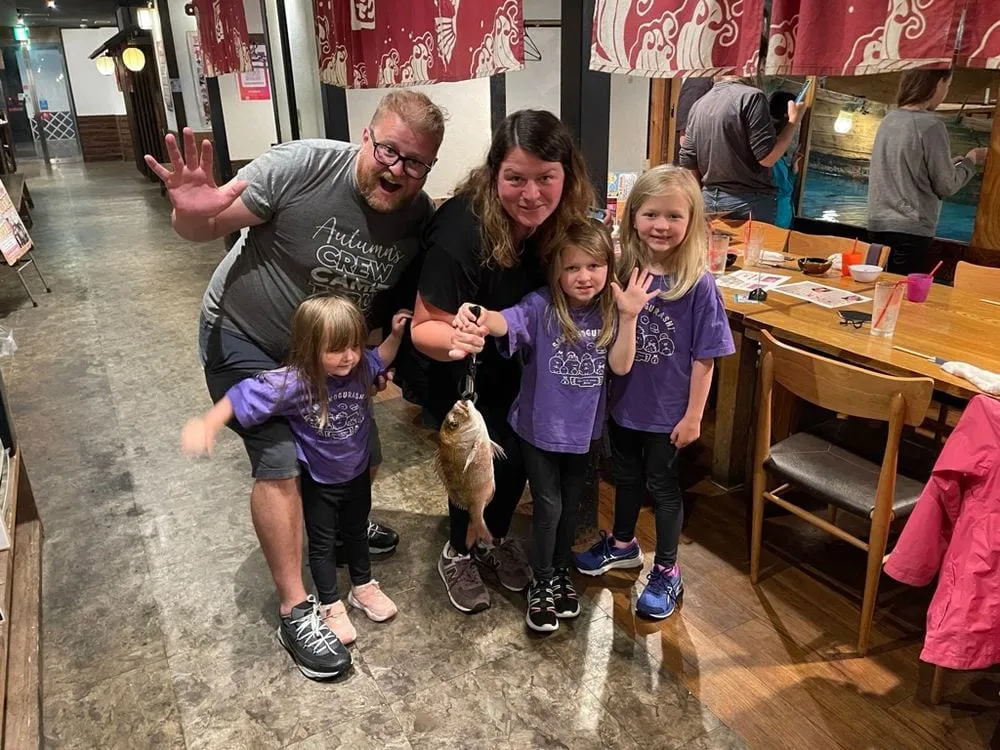
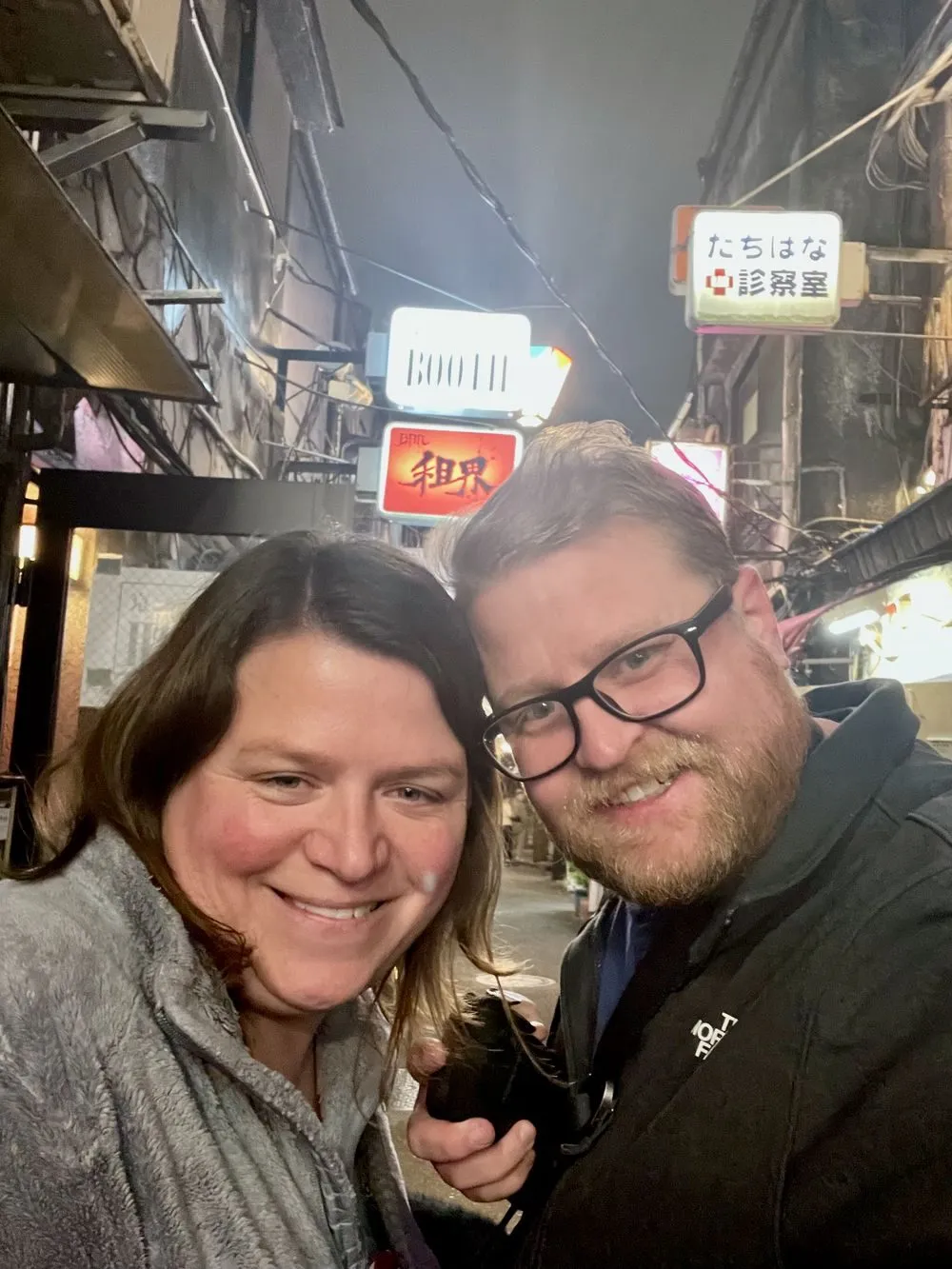
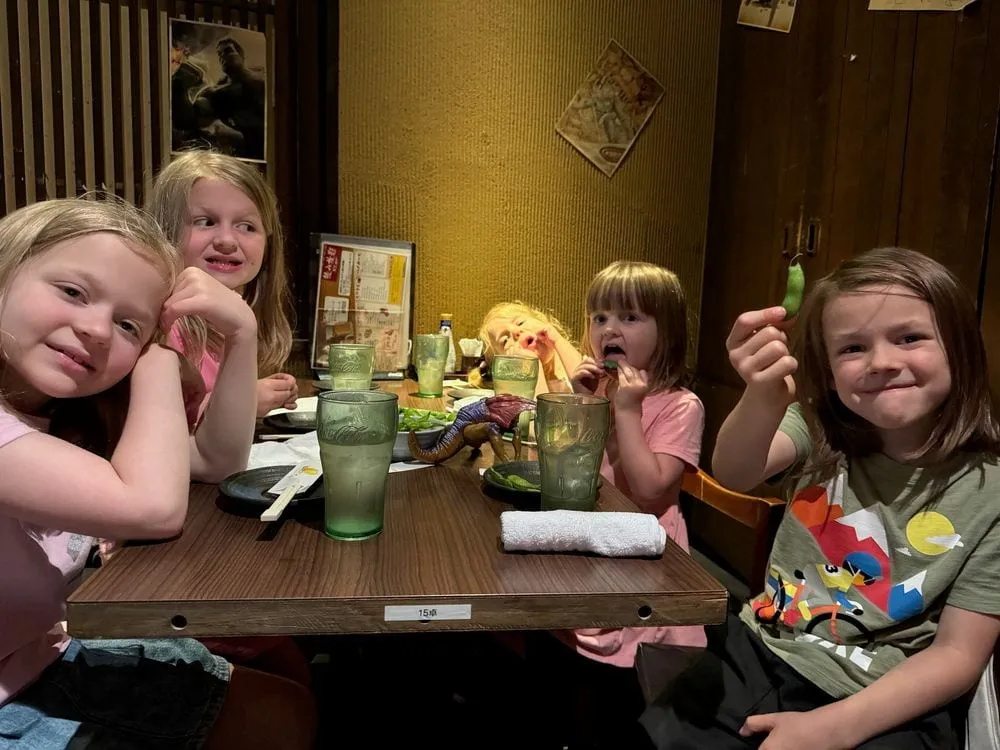
May 19, 2024, started at a neighborhood playground in West Shinjuku and ended on a neon-lit Kabukicho street after dark. In between, an izakaya dinner neither of us kept a receipt for: crab on the table, edamame, and five kids holding glasses of a soda bright enough to glow.
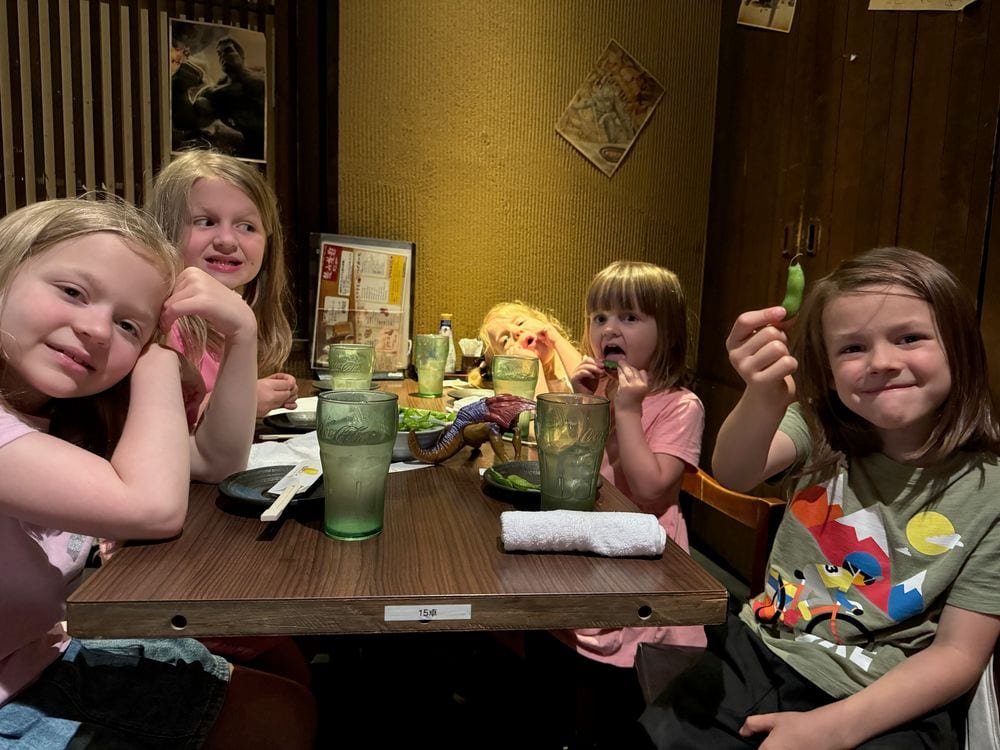
That green soda isn’t melon flavored
Melon soda is a real, enduring staple on Japanese kids’ menus and izakaya drink lists, and its flavor has almost nothing to do with real melon. Sources disagree on exactly when it started, one line traces it to Taisho-era kissaten cafes serving Western-inspired drinks, another points to the 1970s popularization of “cream soda” in Japan, and no single account nails down who decided green was the color and melon was the name. What’s consistent across every source is the flavor itself: a thick, candy-like sweetness closer to bubblegum than to actual fruit, with the bright green coloring doing more work than the syrup does. One real theory worth passing along, unconfirmed but plausible: Japanese melon has long been an expensive luxury fruit, sometimes running well past $100 for a single melon as a gift, so a cheap green soda carrying the name may have started as an affordable stand-in for a flavor most people couldn’t otherwise afford.
One real date does exist, just not for the melon flavor specifically: ramune, the carbonated soft drink format melon soda is often sold within, traces to 1884, introduced in Kobe by Alexander Cameron Sim, a Scottish pharmacist, as a carbonated lemonade. Melon was a later variant added to that format, not part of the original 1884 drink, which is part of why the melon flavor’s own history is so much harder to pin down than ramune’s.
What the crab probably cost
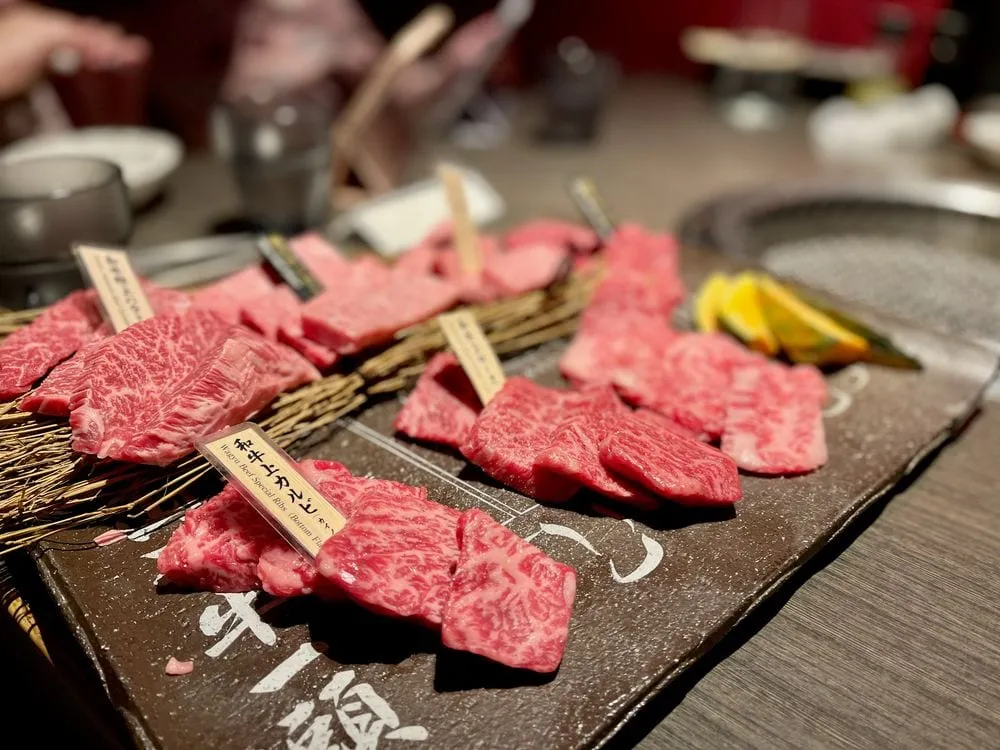
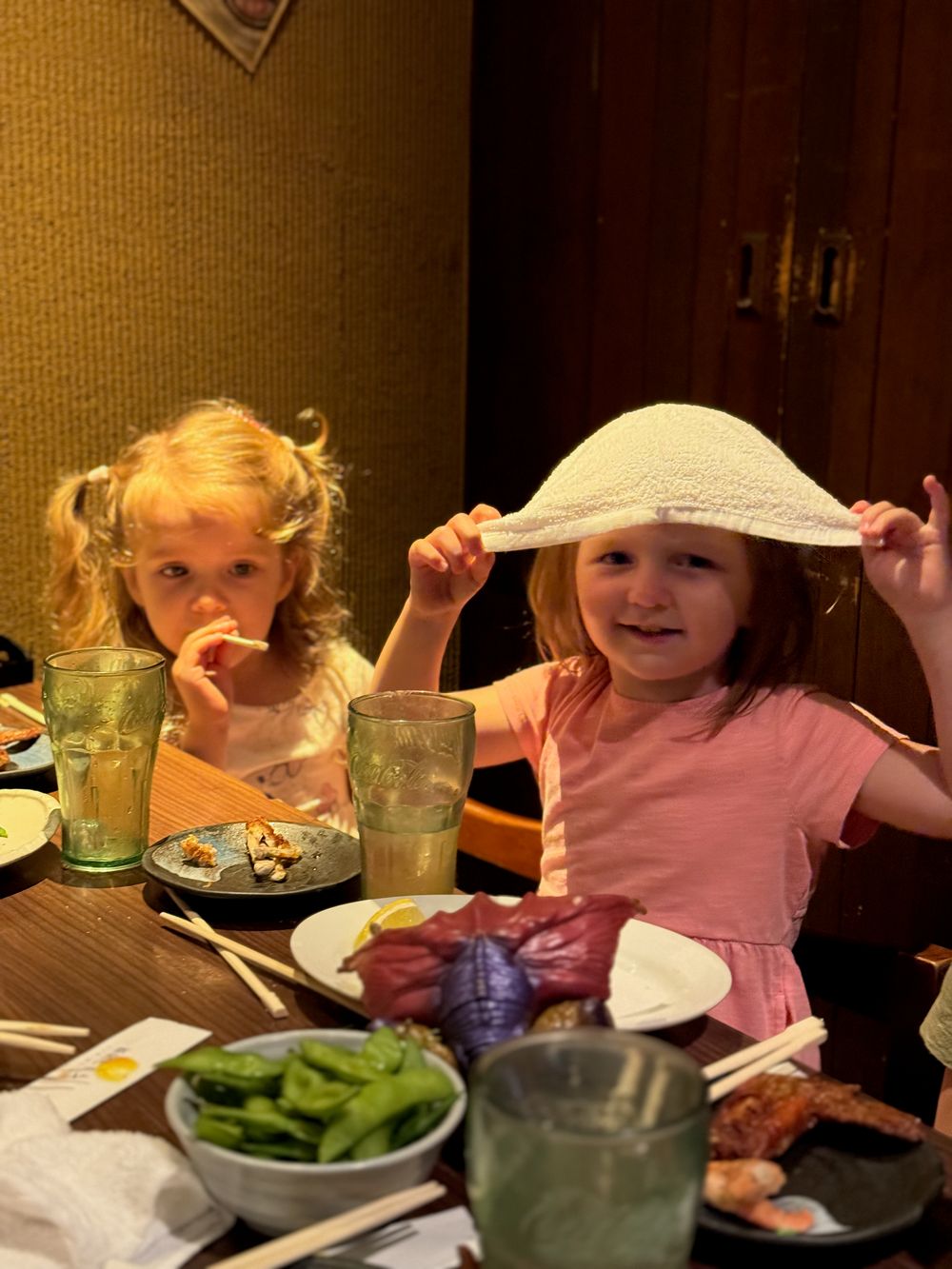
We don’t have a receipt and never got the restaurant’s name, so we’re not claiming an exact number for this specific meal. What we can say honestly is the real range Tokyo crab dining falls into. A dedicated all-you-can-eat crab restaurant, Kani Isshin in Shinagawa is one real example, runs around 8,888 yen per person before tax, with unlimited sake available for an extra 1,650 yen. A sit-down crab specialist like Kani Shin in Ueno averages closer to 7,000 yen per person for dinner. Neither of those matches what our photo shows, a single shared crab item alongside edamame and other ordinary izakaya dishes rather than a dedicated crab course, which suggests our bill landed well under either of those per-person figures, a normal izakaya dinner with one shared seafood splurge added rather than a crab-focused meal in its own right.
One more honest detail worth adding: if the crab on our table was zuwaigani, Japan’s common snow crab, it wasn’t in season. Zuwaigani fishing typically opens in early November and runs into the following spring, closing around March, which means a dish served in mid-May almost certainly used frozen or previously-caught crab rather than a fresh same-day catch. That’s not unusual, plenty of Tokyo izakayas serve crab year-round regardless of season, it’s just worth knowing that “fresh crab” and “crab on the menu in May” aren’t the same claim.
The free bookends
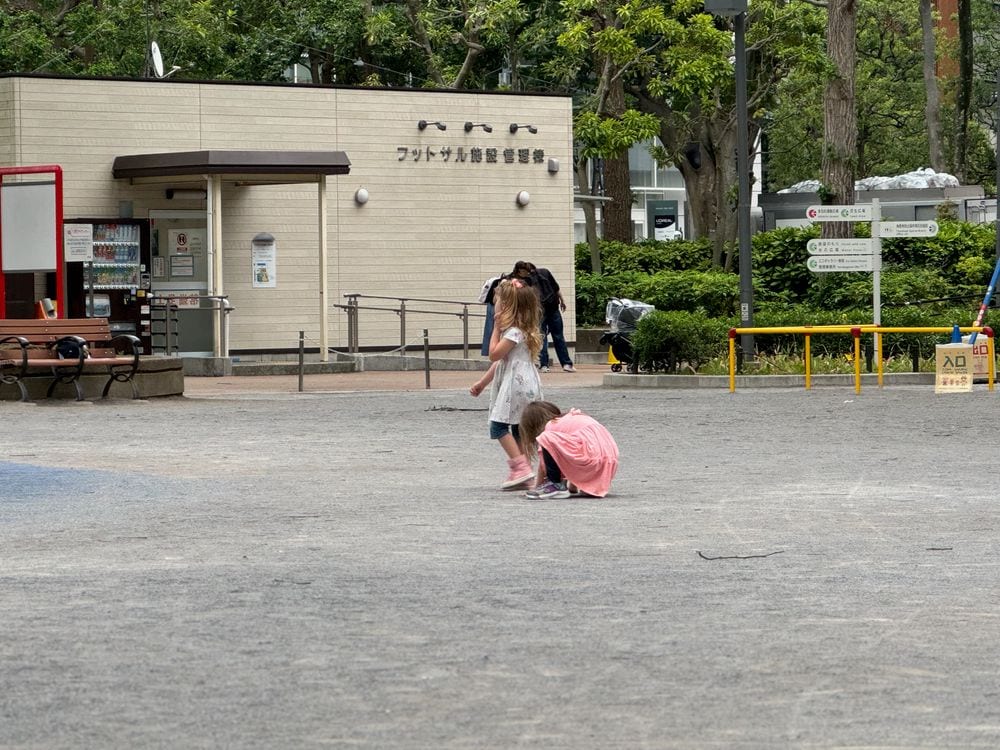
Before dinner, a neighborhood playground and plaza, free, no name on file beyond its West Shinjuku location, the kind of ordinary municipal space that sits outside a local futsal facility in nearly every residential block in Tokyo and rarely gets written up anywhere. After dinner, a walk north into Kabukicho, Tokyo’s dense entertainment district, neon signs stacked floor to floor over narrow streets, crowds still out well past sunset, also free to walk even after dark.
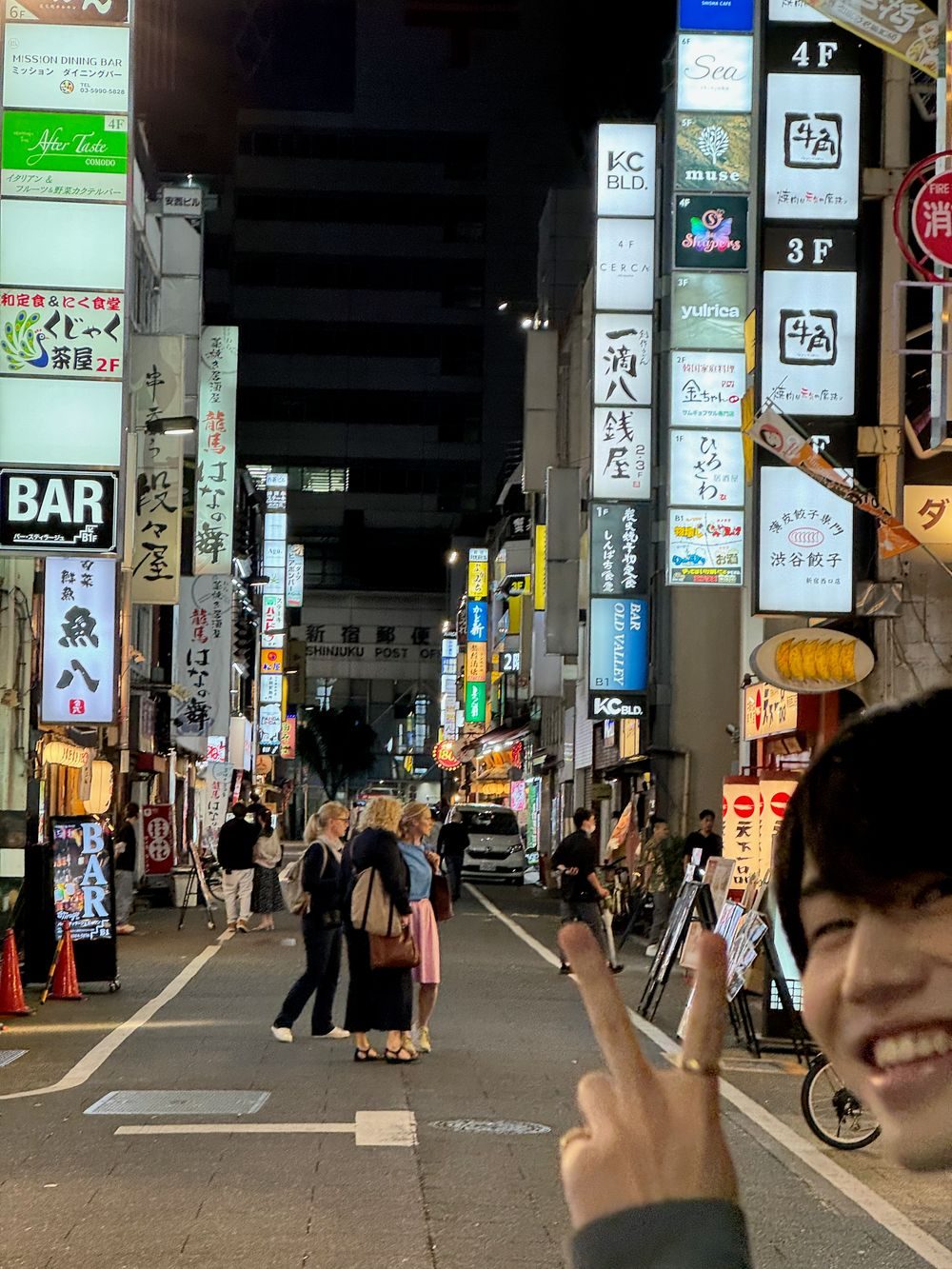
Both ends of the evening cost nothing, the dinner in between was the only real spend of the night.
West Shinjuku isn’t Kabukicho
Worth knowing before a trip: the restaurant and playground sit in Nishi-Shinjuku, West Shinjuku, a business district of skyscrapers and government buildings on the opposite side of Shinjuku Station from Kabukicho’s neon and nightlife. They’re walkable from each other, close enough for one evening to cover both, but they’re two different neighborhoods with a different feel, quiet office towers on one side, dense entertainment signage on the other, not two names for the same strip.
Getting there
Shinjuku Station holds the Guinness World Record for the world’s busiest railway station, over 2.7 million daily passengers as of the 2022 count, more than 200 exits, 12 train lines across 5 companies, and 36 platforms. With a station that size, which exit matters: the South Exit leads toward Nishi-Shinjuku, where our dinner and the playground both sit, while the Central East Exit is the one that puts you directly into Kabukicho and Golden Gai. Same station, two exits, two different nights depending on which one gets used.
Was it worth it
Completely, even without a receipt to point to. A free playground, a real crab dinner that didn’t require booking a dedicated crab restaurant to get a taste of one, and a free night walk through one of Tokyo’s most photographed districts, all in a single evening that cost whatever one shared seafood dish and a round of melon soda came to, almost certainly less than either of the dedicated crab restaurants above would have charged per person on their own.